Quick Overview
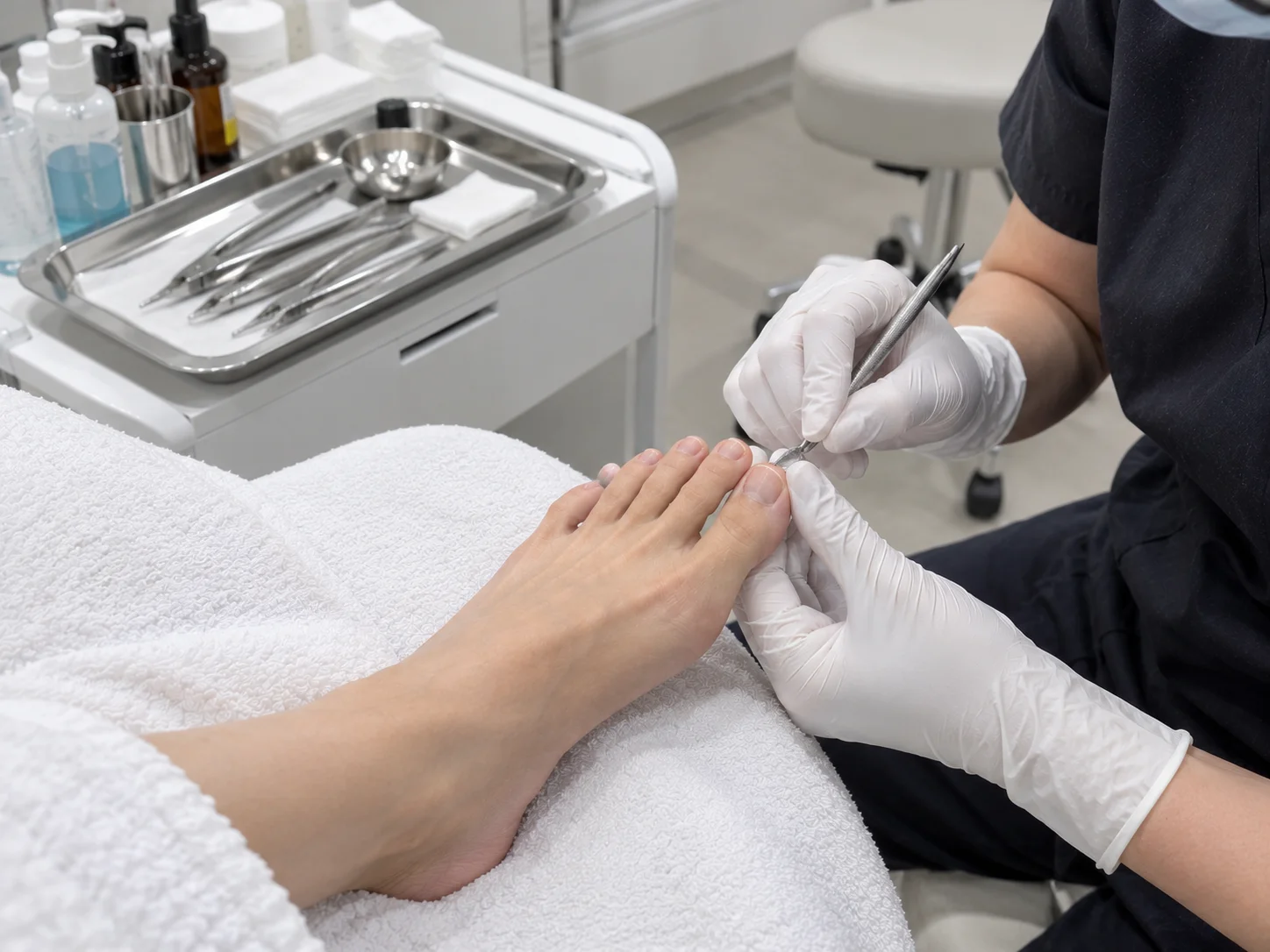
A footwear assessment is a structured evaluation of your shoes by a podiatrist to determine whether they are contributing to your foot problems, whether they are appropriate for your foot type and biomechanics, and what changes would reduce pain, prevent injury, and improve comfort. The assessment examines the shoe’s fit (length, width, depth), support structure (heel counter, midfoot shank, arch support), cushioning condition (midsole compression, wear patterns), sole wear pattern (which reveals how your foot loads during walking), flexibility (where the shoe bends and how much), and suitability for your specific activities and foot conditions. At Sydney Foot Doctor, footwear assessments are available as a standalone service and as a standard component of appointments for heel pain, arch pain, bunions, ingrown toenails, and sports injuries across all eight Sydney clinics.
Why Your Shoes Matter More Than Most People Realise
The average person takes 6,000 to 10,000 steps per day. Every step transmits force through the shoe and into the foot. The shoe determines how that force is distributed, absorbed, and directed across the foot’s 26 bones, 33 joints, and 100+ muscles, tendons, and ligaments.
A shoe that fits poorly, lacks support, or has worn out its cushioning does not just cause discomfort. It changes the mechanics of every step, which over thousands of repetitions per day creates overload on specific structures. That overload becomes pain, and over months, it becomes an injury.
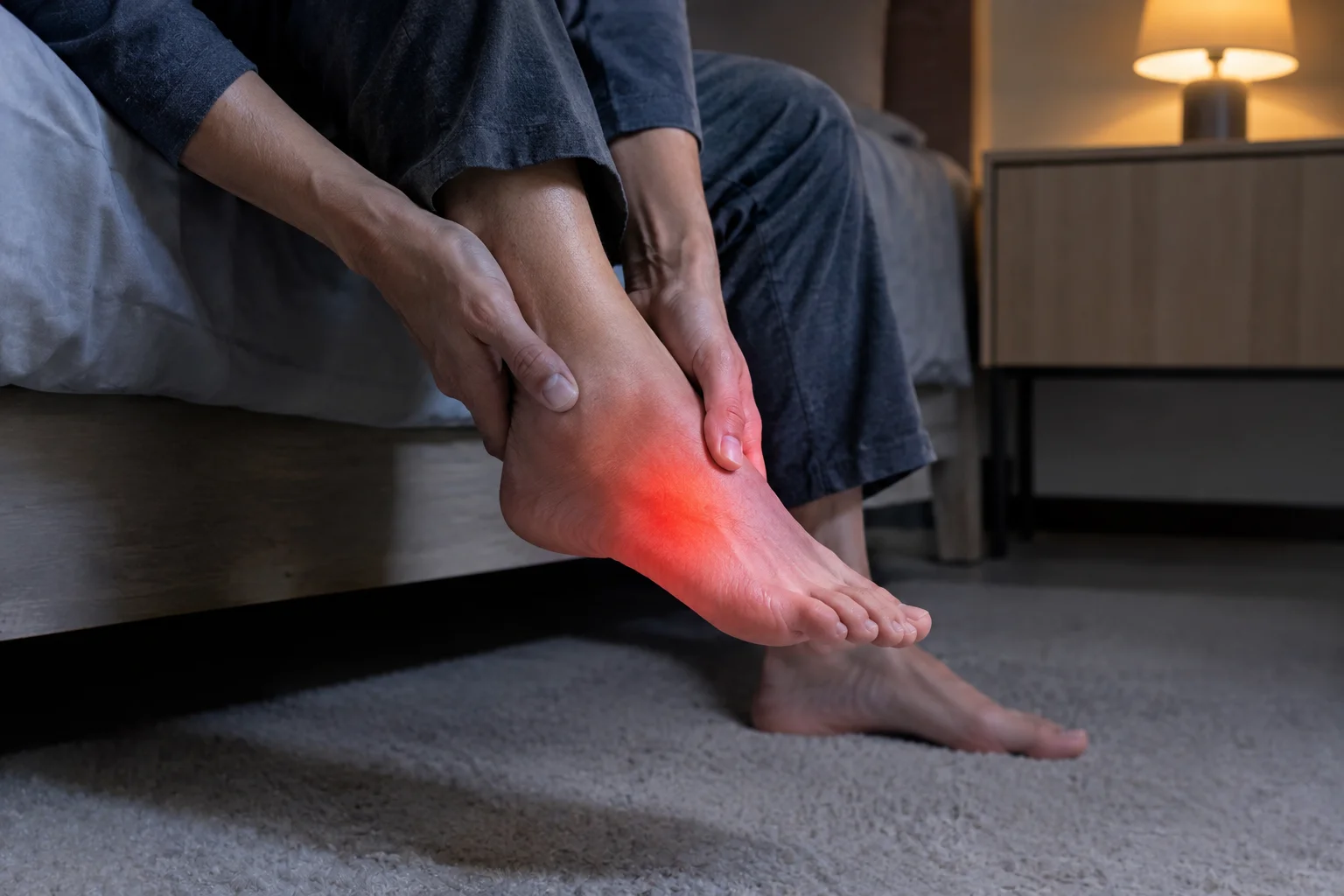
Shoes cause more foot problems than most people attribute to them. Heel pain from flat, unsupportive shoes. Bunion progression from narrow, pointed toe boxes. Calluses from pressure points inside the shoe. Ingrown toenails from shoes that are too tight or too short. Achilles tendonitis from shoes with inadequate heel support. Running injuries from shoes that have exceeded their effective mileage. In every case, the shoe is either the primary cause or a significant contributing factor.
Shoes also prevent foot problems. The right shoe for your foot type, your biomechanics, and your activity supports the arch, cushions impact, accommodates your foot’s natural shape, and distributes pressure evenly. This is why a footwear assessment is not just about identifying bad shoes. It is about finding the right shoes and understanding why they are right for your specific feet.
“I often see patients who have spent hundreds of dollars on treatments for heel pain, arch pain, or recurring calluses, and they are still wearing the shoes that caused the problem. The most effective treatment I can prescribe for many foot conditions is a different pair of shoes. A footwear assessment identifies exactly which shoes are helping, which are hurting, and what to replace them with.”
What a Podiatrist Checks During a Footwear Assessment
A professional footwear assessment evaluates your shoes across six key areas.
| What Is Checked | How It Is Assessed | What It Reveals |
|---|---|---|
| Fit (length, width, depth) | Your foot is measured and compared to the shoe’s internal dimensions. Toe clearance, width at the ball of the foot, and depth over the toes are assessed. | Whether the shoe is too short (toes compressed), too narrow (pressure on bunions and outer toes), too wide (foot slides creating friction), or too shallow (pressure on top of toes) |
| Heel counter | The firm cup at the back of the shoe is squeezed and flexed. A strong heel counter holds its shape; a collapsed one folds easily. | Whether the shoe controls rearfoot motion. A collapsed heel counter provides no stability, allowing the heel to roll excessively. |
| Midfoot shank | The shoe is twisted along its length. A shoe with a proper shank resists twisting; a shoe without one collapses like a dishcloth. | Whether the shoe provides midfoot support. A shoe that twists easily cannot support the arch during walking. |
| Midsole condition | The midsole (cushioning layer between the upper and the outsole) is pressed. Fresh midsole springs back; compressed midsole stays flat. | Whether the shoe still absorbs impact. Most shoes lose significant cushioning after 600 to 800 kilometres of use, even when the outsole and upper still look fine. |
| Sole wear pattern | The outsole is examined for wear patterns. Where the rubber has worn away reveals how the foot loads during walking. | Whether the wearer overpronates (inside heel and inner forefoot wear), supinates (outside heel and outer forefoot wear), or has a neutral gait. This helps guide shoe recommendations and orthotic prescriptions. |
| Flexibility | The shoe is bent to assess where and how much it flexes. A good shoe flexes at the toe break (where the toes bend during push-off) and nowhere else. | Whether the shoe flexes in the right place. A shoe that bends in the middle (at the arch) provides no support. A shoe that does not flex at all restricts natural foot motion. |
Your podiatrist assesses each pair of shoes you bring in (we recommend bringing your most-worn daily shoes, your work shoes, and your exercise shoes) and provides specific feedback on each pair.
Who Needs a Footwear Assessment
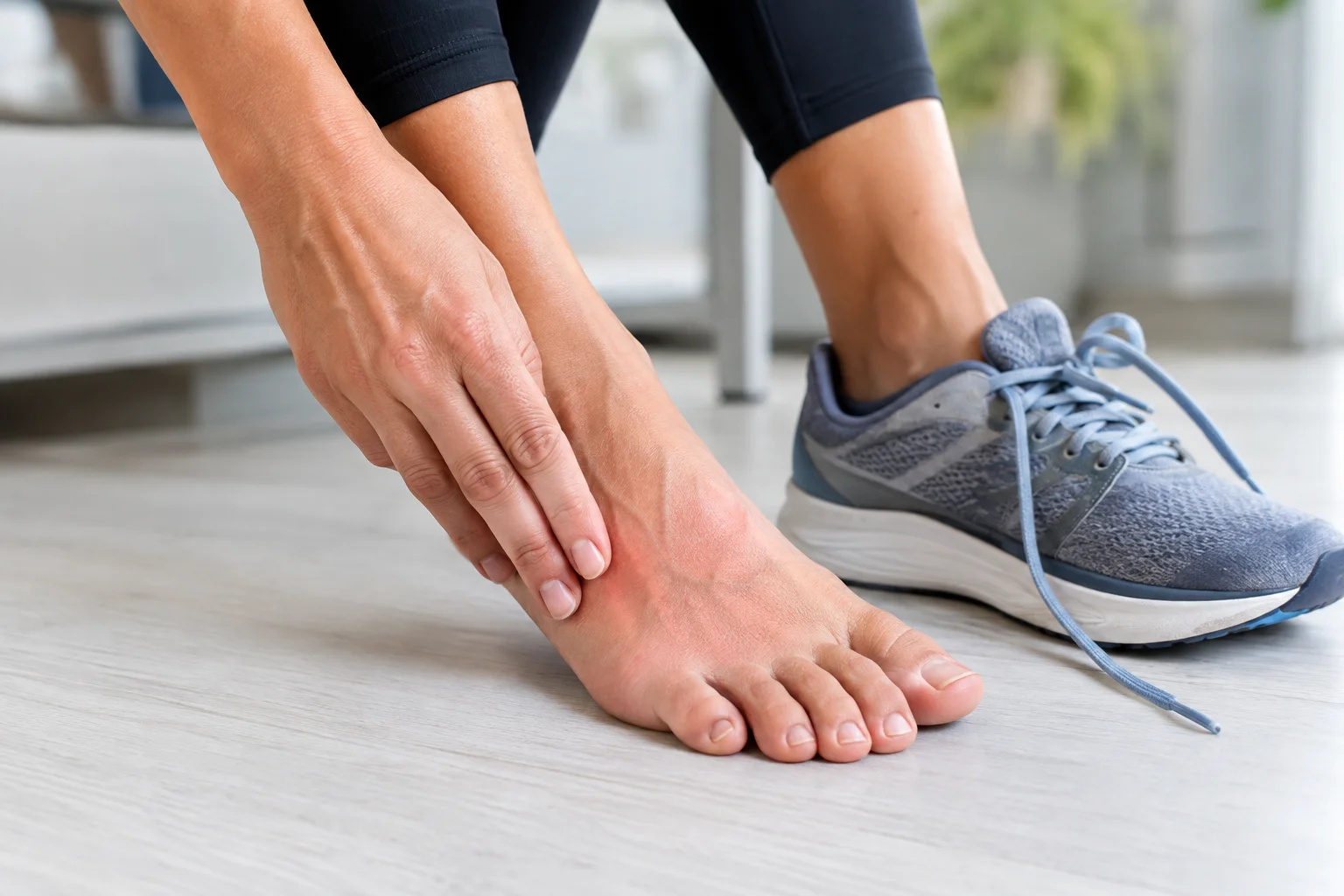
Anyone experiencing foot, ankle, knee, or lower back pain that worsens with walking or standing should have their shoes assessed as part of the diagnostic process. Beyond pain, these specific groups benefit most.
People with existing foot conditions. Bunions, plantar fasciitis, Achilles tendonitis, metatarsalgia, ingrown toenails, and recurring calluses are all influenced by footwear. The assessment determines whether your current shoes are contributing to the condition or supporting its management.
Runners and athletes. Running shoes are the most important piece of equipment a runner owns, and the most common source of preventable injury when they are wrong for the runner’s foot type or have exceeded their mileage. A sports podiatrist assesses running shoes specifically for biomechanical suitability and remaining effective life. Sports insoles are often recommended alongside the footwear change.
People who stand for prolonged periods. Nurses, teachers, hospitality workers, retail staff, and tradeworkers spend hours on their feet in shoes that may not provide adequate support or cushioning for sustained standing. Foot pain that develops during or after a work shift is almost always footwear-related.
People with diabetes. Diabetic patients have reduced sensation (neuropathy) that means pressure, friction, and rubbing from poorly fitting shoes may not be felt. This creates a risk of skin breakdown and ulceration that can have serious consequences. Diabetic foot care includes regular footwear assessment to ensure shoes fit correctly and do not create pressure points.
Parents choosing shoes for children. Children’s feet develop rapidly, and poorly fitting shoes during growth can affect foot development. The children’s podiatry service includes footwear guidance appropriate for each developmental stage.
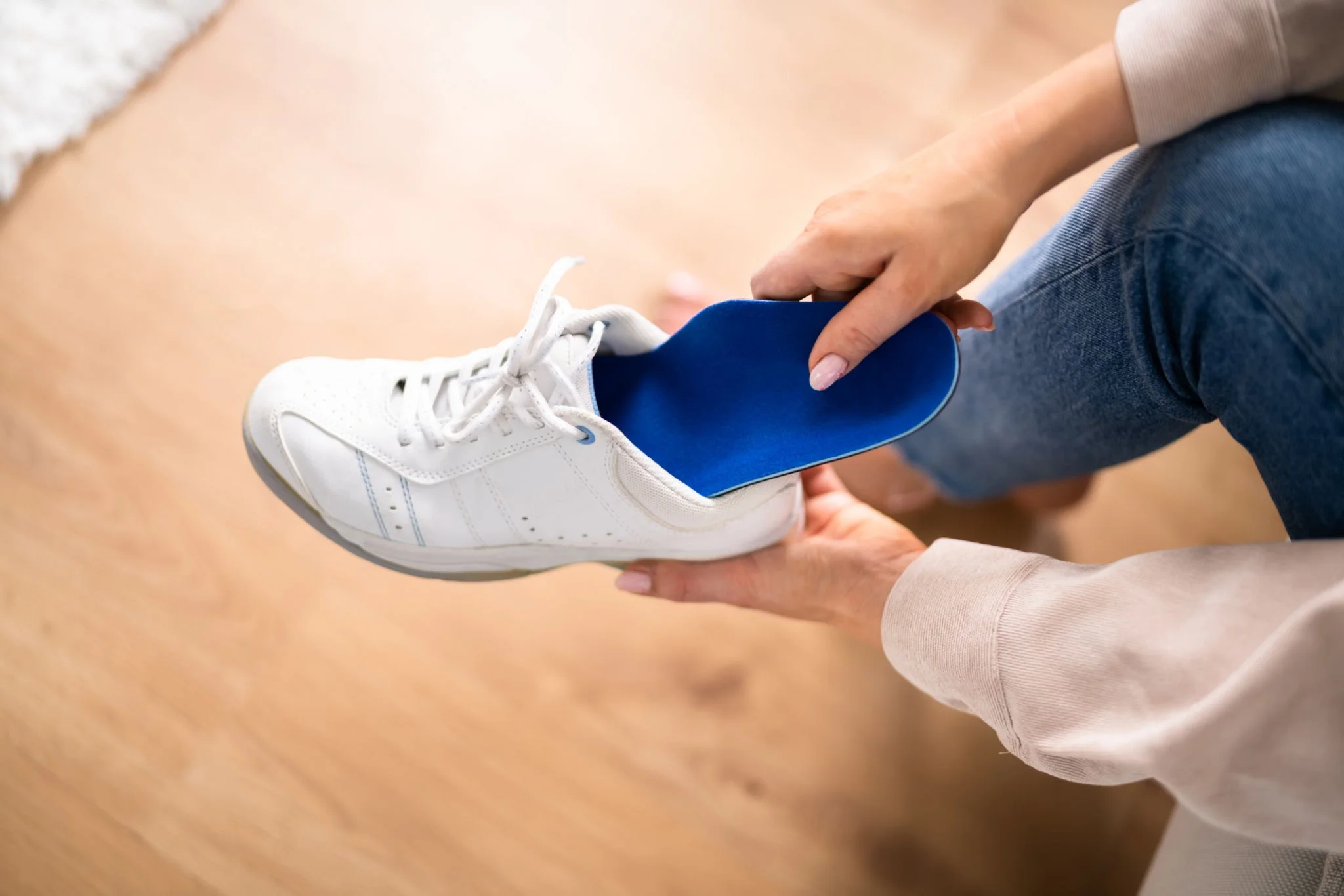
Anyone getting custom orthotics. Orthotics work inside shoes, and the shoe must be compatible with the orthotic for both to function correctly. A shoe that is too shallow, too narrow, or too flexible undermines the orthotic’s effectiveness. The footwear assessment ensures your shoes and orthotics work together.
What Your Sole Wear Pattern Tells Your Podiatrist
The outsole of your shoe is a record of how your foot loads during walking. Your podiatrist reads this pattern to understand your gait mechanics.
| Wear Pattern | What It Looks Like | What It Means |
|---|---|---|
| Centre heel + even forefoot | Wear centred on the heel and evenly distributed across the ball of the foot | Neutral gait. Good foot mechanics. The foot is loading as designed. |
| Inside heel + inner forefoot | Wear concentrated on the inner edge of the heel and the inner (big toe side) forefoot | Overpronation. The foot rolls inward excessively. Increases risk of plantar fasciitis, bunion progression, and arch pain. |
| Outside heel + outer forefoot | Wear concentrated on the outer edge of the heel and the outer (little toe side) forefoot | Supination (underpronation). The foot rolls outward. Increases risk of ankle sprains, lateral foot pain, and stress fractures. |
| Heavy forefoot wear, minimal heel | Wear concentrated under the ball of the foot with little wear on the heel | Forefoot striker (common in runners) or a shoe worn primarily for a specific activity. May indicate metatarsalgia risk. |
| Asymmetric wear (one shoe different from the other) | One shoe shows significantly different wear from the other | Leg length discrepancy, pelvic tilt, or unilateral biomechanical issue. Requires further assessment. |
This wear pattern analysis is one reason your podiatrist asks you to bring your most-worn shoes to the appointment. A new shoe tells nothing. A well-worn shoe tells the whole story.
Common Footwear Mistakes the Assessment Corrects
These are the most frequent footwear errors identified during assessments at Sydney Foot Doctor.
Shoes that are too small. Foot size changes with age, weight gain, pregnancy, and the progression of conditions like bunions. Many adults have not had their feet measured since their twenties and are wearing shoes that are half a size to a full size too small. This compresses the toes, creates friction on bunions, drives ingrown toenails, and overloads the forefoot.
Shoes that are too flat. Completely flat shoes (ballet flats, thongs, minimalist sandals) provide zero arch support, zero cushioning, and zero heel elevation. Worn for extended periods, they place maximum strain on the plantar fascia, Achilles tendon, and calf muscles. This is one of the most common contributors to heel pain and arch pain.
Shoes that are worn out. A shoe may look acceptable externally while the midsole (the cushioning layer) has completely compressed and lost its shock-absorbing capacity. Running shoes typically lose effective cushioning after 600 to 800 kilometres. Daily wear shoes lose support after 12 to 18 months of regular use. Wearing shoes past their effective life is equivalent to walking on the hard ground with a thin layer of rubber between you and the surface.
Shoes with no heel counter. Slip-on shoes, mules, and shoes with a collapsed or absent heel counter allow the rearfoot to move without control. This increases pronation, reduces stability, and places additional strain on the ankle, Achilles, and midfoot structures.
Work shoes chosen for appearance over function. Corporate dress shoes, fashion heels, and workplace safety boots are frequently chosen for how they look (or for compliance) rather than how they fit and support the foot. A footwear assessment identifies which work shoe options meet both the aesthetic or compliance requirements and the foot’s biomechanical needs.
What Happens After the Assessment
The footwear assessment is not just about identifying problems. It delivers specific, actionable outcomes.
Specific shoe recommendations. Your podiatrist recommends shoe brands, models, and features that suit your foot type, biomechanics, and activities. These recommendations are specific (not “get a good shoe” but “look for a shoe with these features in this category”).
Immediate shoe changes. If a specific pair of shoes is clearly contributing to your current pain or condition, your podiatrist will advise removing it from your rotation immediately and suggest an interim alternative.
Orthotic compatibility assessment. If you are being fitted for custom orthotics or already wear them, the assessment ensures your shoes accommodate the orthotic properly: adequate depth, removable insole, compatible arch shape, and appropriate width.
Activity-specific guidance. Different activities demand different shoes. Your podiatrist may recommend a specific running shoe for exercise, a different shoe for daily wear, and a different option for work. The assessment covers each context.
Replacement timing. Your podiatrist tells you when your current shoes should be replaced based on their current condition and expected remaining effective life, so you can plan ahead rather than waiting for pain to prompt the change.
For a comprehensive foot health approach that combines footwear guidance with clinical-grade foot care, the medical pedicure (MediPedi) service addresses nails, skin, calluses, and overall foot conditioning alongside your footwear and orthotic management.
Footwear Assessment: What Your Podiatrist Checks and Why It Matters
Six things your podiatrist evaluates, what your sole wear reveals, and the most common shoe mistakes the assessment corrects.
Six Things Your Podiatrist Checks
Fit
Length, width, and depth. Is the shoe compressing, rubbing, or allowing too much movement inside?
Heel Counter
Does the rear cup hold its shape? A collapsed counter provides zero rearfoot stability.
Midfoot Shank
Does the shoe resist twisting? A shoe that collapses when twisted cannot support the arch.
Midsole Condition
Does the cushioning spring back or stay flat? Compressed midsoles no longer absorb impact.
Sole Wear Pattern
Where the rubber has worn reveals pronation, supination, or neutral loading. A worn shoe tells the whole story.
Flexibility
Does the shoe bend at the toe break only? A shoe that bends at the arch provides no support.
What Your Sole Wear Pattern Means
Neutral Gait
Centre heel + even forefoot wear. Foot loading as designed. Good mechanics.
Overpronation
Inside heel + inner forefoot wear. Foot rolls inward. Risk of plantar fasciitis, bunions, arch pain.
Supination
Outside heel + outer forefoot wear. Foot rolls outward. Risk of ankle sprains, lateral pain, stress fractures.
Most Common Shoe Mistakes
Too Small
Compresses toes, creates friction, drives bunions and ingrown toenails.
Too Flat
Zero arch support, zero cushioning. Strains plantar fascia and Achilles.
Worn Out
Midsole compressed. Looks fine outside, zero cushioning inside. Replace after 600 to 800km.
No Heel Counter
Slip-ons and mules. No rearfoot control. Increases pronation and instability.
Style Over Function
Work shoes chosen for appearance. Dress shoes and heels that sacrifice support for aesthetics.
Who Needs a Footwear Assessment
Existing Foot Conditions
Bunions, plantar fasciitis, Achilles tendonitis, calluses, ingrown toenails. Shoes may be the cause.
Runners and Athletes
Wrong shoe type or exceeded mileage is the most common source of preventable running injuries.
Prolonged Standing Workers
Nurses, teachers, retail, hospitality. Hours of standing in inadequate shoes causes cumulative damage.
Diabetic Patients
Reduced sensation means pressure and rubbing are not felt. Regular assessment prevents ulceration risk.
Children
Rapidly growing feet need shoes that support development. Ill-fitting shoes affect foot growth.
Orthotic Wearers
Orthotics work inside shoes. The shoe must be compatible for both to function as a system.
💡 The Key Takeaway
You take 6,000 to 10,000 steps a day in your shoes. If those shoes are too small, too flat, worn out, or wrong for your foot type, every step adds to the problem. A footwear assessment identifies which shoes are helping, which are hurting, and what to change. It is one of the most impactful and most underused podiatry services available.
sydneyfootdoctor.com.au | Sydney Foot Doctor | 8 Clinics Across Sydney