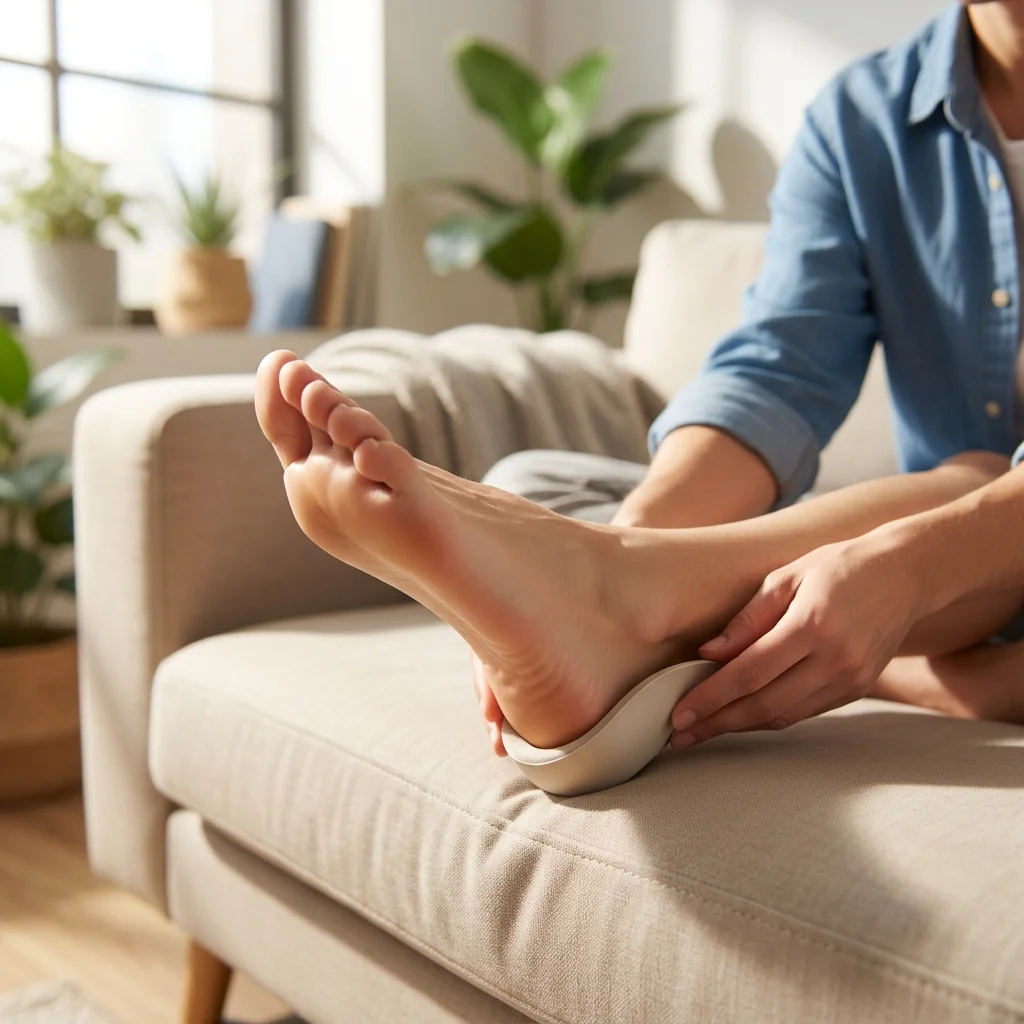
What Is a Heel Spur?
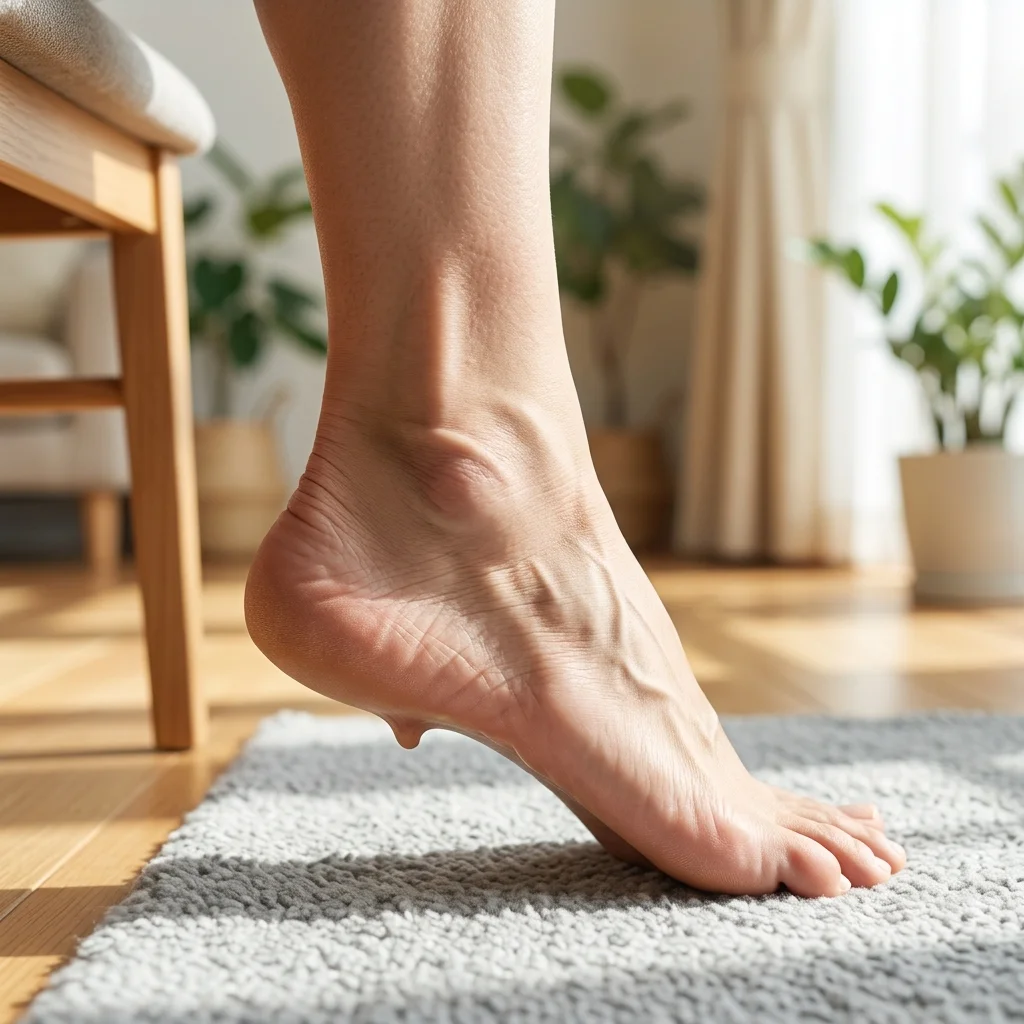
A heel spur is a calcium deposit that forms a small bony protrusion on the underside of the calcaneus (heel bone). It develops gradually over months or years at the point where the plantar fascia, the thick band of tissue running along the bottom of your foot, attaches to the heel bone.
The spur forms as the body’s response to chronic tension and pulling at this attachment point. When the plantar fascia is repeatedly overloaded, the body lays down extra bone at the attachment site in an attempt to reinforce the area. Think of it as the body’s misguided attempt at repair.
Here is the part that surprises most patients: the spur itself is rarely what hurts. Studies have shown that many people have heel spurs visible on X-ray but experience no pain at all. Conversely, many people with severe heel pain have no spur visible on imaging. The pain comes from the inflamed, damaged soft tissue around the spur, not from the bony growth pressing into anything.
This distinction matters because it changes the entire treatment approach. Treating the spur (surgically removing it, for example) without addressing the inflammation and biomechanical overload that caused it in the first place results in the pain returning, sometimes with the spur regrowing.
“The most common misconception we hear is ‘I need to get this spur removed.’ In reality, the spur is just evidence that your plantar fascia has been under excessive strain for a long time. Remove the strain, treat the inflammation, and the pain resolves, even though the spur is still there.”
What Causes Heel Spurs to Develop?
Heel spurs do not appear overnight. They develop in response to ongoing mechanical stress at the plantar fascia attachment. The factors that create this stress include the following.
Biomechanical imbalance is the most common underlying cause. Flat feet (overpronation), high arches (underpronation), tight calf muscles, and abnormal gait patterns all alter how force is distributed through the foot during walking and running. When the plantar fascia absorbs more load than it is designed to handle, the attachment point becomes chronically irritated, and the spur gradually forms.
Repetitive impact activities such as running, jumping sports, prolonged standing on hard surfaces, or occupations that require hours on your feet (nursing, teaching, construction, retail) place sustained load on the plantar fascia. Over time, this repetitive microtrauma triggers the bone-building response.
Footwear that lacks support contributes significantly. Flat shoes with no arch support, worn-out runners, thongs (flip-flops), and unsupportive work shoes allow the foot to collapse excessively with each step, increasing tension on the plantar fascia. A footwear assessment identifies whether your shoes are contributing to the problem.
Age and weight are contributing factors. The plantar fascia naturally loses elasticity as we age, making it less able to absorb load without damage. Increased body weight adds proportionally more force through the heel with every step.
Tight calf muscles are frequently overlooked. The calf muscles (gastrocnemius and soleus) connect to the Achilles tendon, which attaches to the back of the heel bone. When these muscles are tight, they increase tension through the entire heel complex, pulling the heel bone upward and increasing strain on the plantar fascia pulling from below. This is why calf stretching is a critical component of every heel spur treatment plan. If Achilles pain is also present, the calf tightness is almost certainly a major contributor.
Heel Spur Treatment: What Actually Works
Effective heel spur treatment targets the inflammation and the mechanical cause, not the spur itself. The following treatments are evidence-based and used in clinical practice at Sydney Foot Doctor.
Orthotic therapy is the cornerstone of long-term heel spur management. Custom orthotics are designed specifically for your foot shape and gait pattern. They redistribute pressure away from the heel, support the arch to reduce plantar fascia strain, and correct biomechanical imbalances that caused the problem in the first place. Off-the-shelf insoles provide some temporary relief but cannot address individual structural issues the way custom-moulded devices can.
Stretching and strengthening exercises target the plantar fascia, calf muscles, and intrinsic foot muscles. A structured home exercise program prescribed by your podiatrist is essential for long-term recovery. Calf stretches (both bent-knee and straight-knee), plantar fascia-specific stretches (towel curls, marble pickups), and eccentric heel drops are the most commonly prescribed exercises.
Laser therapy uses concentrated light energy to stimulate cellular repair and reduce inflammation in the damaged tissue. Laser therapy at Sydney Foot Doctor is a non-invasive, painless treatment that accelerates healing when combined with other interventions. Multiple sessions are typically needed for maximum benefit.
Dry needling targets trigger points and tight muscle fibres in the calf, plantar fascia, and intrinsic foot muscles. Dry needling releases muscular tension that contributes to increased load on the heel, and the micro-trauma from the needle stimulates a localised healing response.
Injection therapy is used for moderate to severe cases where pain is significantly limiting daily activities. Corticosteroid injections reduce inflammation rapidly and provide a window of reduced pain that allows rehabilitation exercises and orthotics to take effect. Injections are not a standalone solution; they are used in combination with the underlying cause being addressed.
Shockwave therapy (ESWT) uses acoustic pressure waves to stimulate blood flow and cellular repair in chronic plantar fascia injuries. It is particularly effective for cases that have not responded to other conservative treatments after three to six months.
Treatment Comparison: What Works and When
| Treatment | How It Helps | Best For | Timeline to Results |
|---|---|---|---|
| Custom orthotics | Redistributes pressure, corrects biomechanics, reduces plantar fascia strain | All cases, foundation of long-term management | 2 to 6 weeks for noticeable improvement |
| Stretching program | Reduces calf and fascia tightness, improves flexibility | All cases, essential daily home component | 4 to 8 weeks with consistent daily practice |
| Laser therapy | Reduces inflammation, accelerates tissue healing | Acute inflammation, chronic non-healing cases | 3 to 6 sessions over 2 to 4 weeks |
| Dry needling | Releases muscular trigger points, reduces referred tension | Tight calves, chronic muscle tightness patterns | Immediate release, cumulative benefit over sessions |
| Corticosteroid injection | Rapidly reduces inflammation and pain | Moderate to severe pain limiting daily activity | 1 to 3 days for significant pain reduction |
| Shockwave therapy | Stimulates blood flow and cellular repair in chronic tissue | Cases unresponsive to 3 to 6 months of other treatment | 3 to 6 sessions, improvement over 6 to 12 weeks |
| Surgery | Releases a portion of the plantar fascia or removes the spur | Last resort after all conservative options exhausted | 6 to 12 weeks recovery |
In the vast majority of cases, heel spur pain resolves completely with conservative (non-surgical) treatment. Surgery is reserved for a small percentage of patients who do not respond after six to twelve months of structured conservative care. Foot and ankle surgery is available at Sydney Foot Doctor for cases that require it.
What Does NOT Work for Heel Spurs
Understanding what does not work is just as important as knowing what does.
Gel heel cups and cushioned insoles alone provide temporary comfort by adding padding under the heel, but they do not address the biomechanical cause. The pain returns as soon as you stop using them because nothing has changed structurally.
Rest alone reduces pain temporarily but does not fix the underlying problem. The moment you resume normal activity, the same mechanical overload returns and the pain comes back.
Ignoring it and hoping it goes away is the most common approach and the least effective. Heel spur pain that is left untreated typically worsens over time as the inflammation becomes chronic and the tissue damage deepens. Early treatment is faster, simpler, and more effective than treating a condition that has been present for months or years.
Surgical removal of the spur alone without addressing why it formed is a recipe for recurrence. The spur is a response to mechanical overload. If the overload is not corrected, the body will simply rebuild the spur and the inflammation will return.
How Long Does Heel Spur Treatment Take?
Most patients experience significant improvement within six to twelve weeks of starting a structured treatment plan that combines orthotics, stretching, and appropriate clinical interventions. The timeline depends on how long the condition has been present before treatment began.
Acute cases (pain present for less than three months) typically respond faster because the inflammation has not yet become chronic and the tissue damage is less extensive.
Chronic cases (pain present for six months or more) take longer because the tissue has undergone structural changes that require more time to resolve. These cases often benefit from more intensive interventions like injection therapy, shockwave, or laser alongside the foundational orthotic and stretching program.
The most important factor in recovery speed is consistency with home exercises and wearing your orthotics as prescribed. Patients who stretch daily and wear their orthotics consistently recover faster than those who only do it intermittently.
When to See a Podiatrist for Heel Spur Pain
Book an appointment if you experience any of the following.
Sharp pain in the heel with the first steps in the morning that eases after a few minutes of walking is the classic hallmark of plantar fasciitis and heel spur involvement. Pain that returns after sitting for extended periods and standing up is another key indicator. Heel pain that has been present for more than two weeks and is not improving with rest suggests the condition needs professional assessment. Pain that limits your ability to walk, exercise, or stand for your job requires treatment before it becomes chronic. Any heel pain accompanied by swelling, bruising, or numbness needs prompt evaluation to rule out other conditions.
Sydney Foot Doctor has eight clinics across Sydney for convenient access. Find your nearest location to book a heel pain assessment. For athletes and active patients, the sports podiatry service provides assessment tailored to training loads and return-to-sport planning.