
Flat Feet in Adults: What Causes Them, When They Need Treatment, and What a Podiatrist Can Do
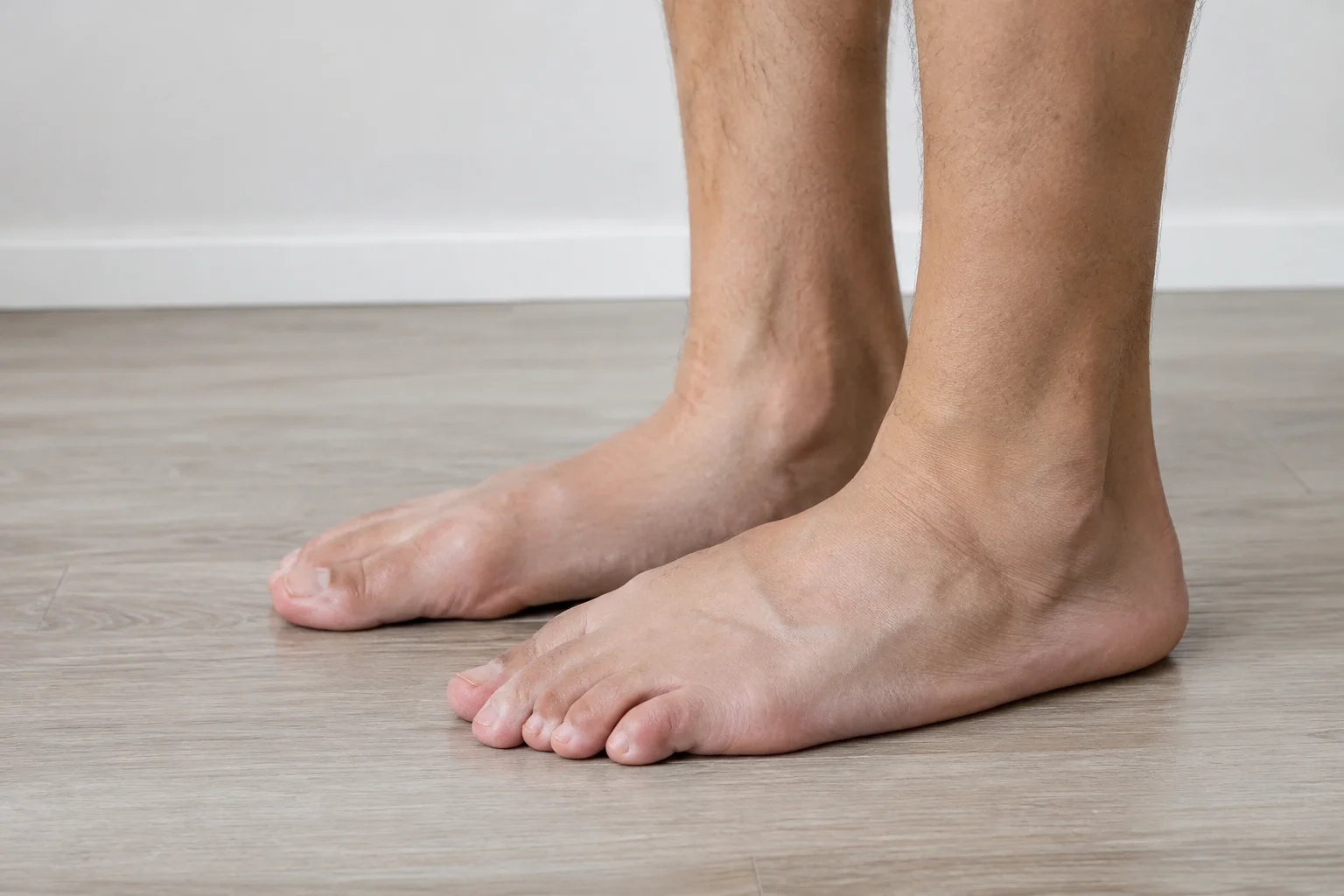
Flat feet in adults are more common than most people realise and more varied than the term suggests. Some adults have had flat feet since childhood with no pain and no problems. Others develop flat feet later in life as the posterior tibial tendon weakens, the arch collapses, and pain follows. The difference between flat feet that need treatment and flat feet that do not comes down to one question: are they causing symptoms? If flat feet are painless and functional, they rarely need intervention. If they are causing foot pain, ankle instability, knee pain, shin pain, or lower back discomfort, a podiatrist can identify the structural and biomechanical factors and put together a management plan that addresses the cause.
Foot Burning at Night: What Causes It, What Each Burning Pattern Means, and When It Needs Professional Attention
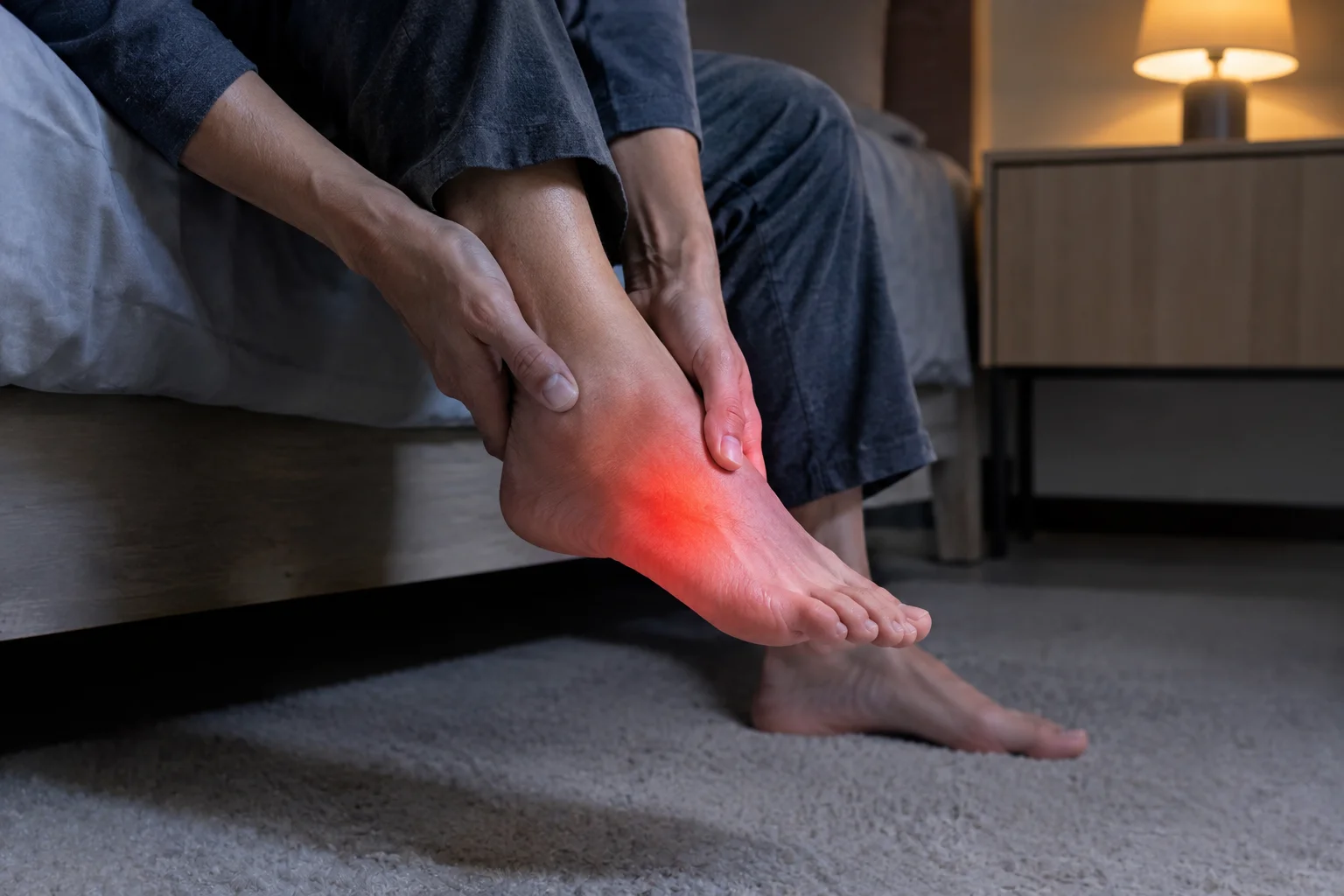
Foot burning at night is a symptom that disrupts sleep, causes distress, and almost always points to an underlying condition that needs identifying. The burning sensation intensifies at night because the body is at rest, distractions are removed, nerve signals become more prominent, and blood flow patterns shift when you lie down. The specific location, pattern, and accompanying symptoms of the burning narrow the diagnosis significantly, and a podiatrist is trained to differentiate between the nerve, vascular, and mechanical causes.
What Is a Medical Pedicure? Safe, Professional Foot Care Explained
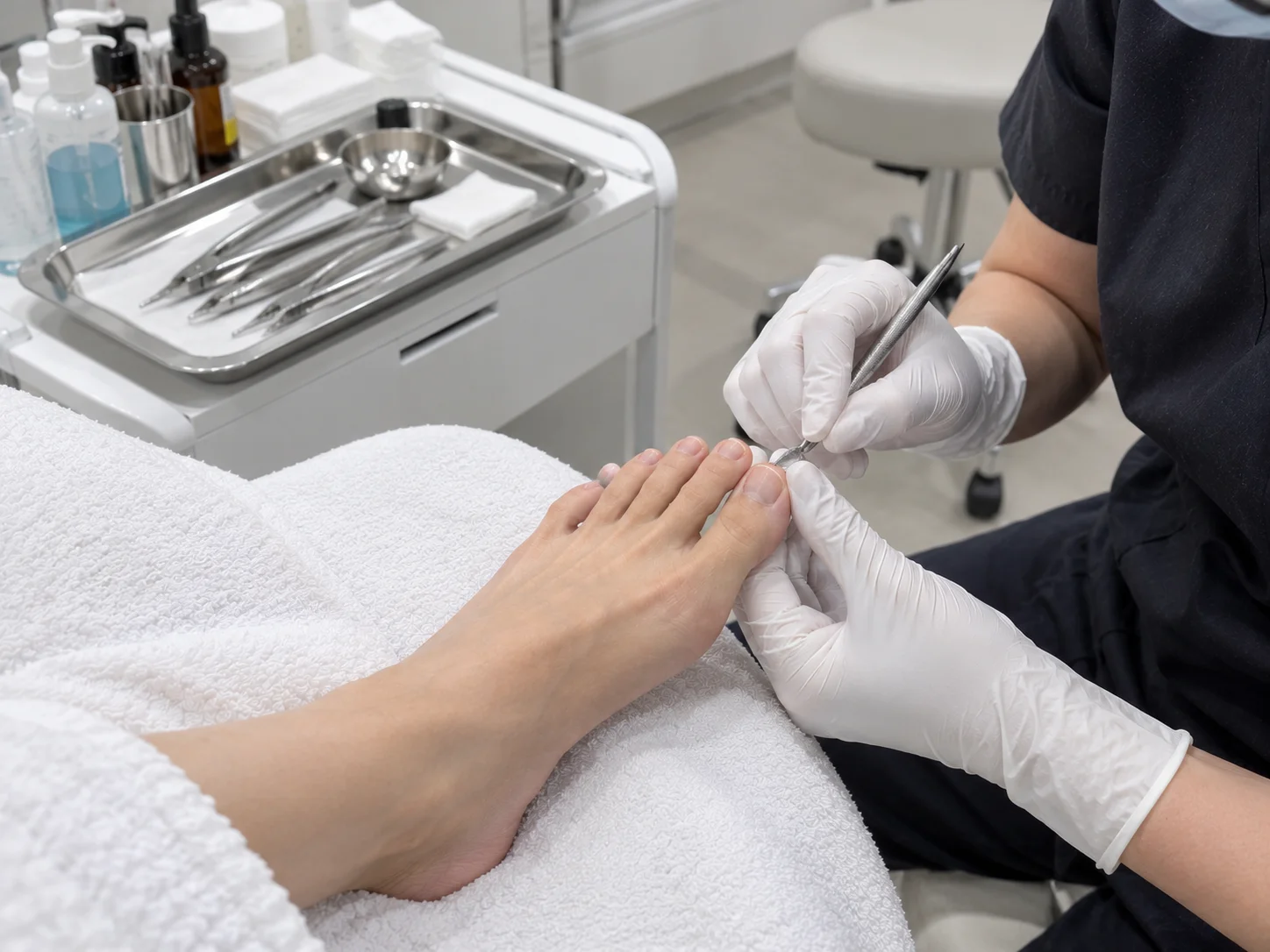
A medical pedicure is a clinical foot care treatment performed by a qualified podiatrist using sterilised medical-grade instruments in a clinical setting. It addresses the same concerns as a salon pedicure (nail care, callus removal, skin conditioning) but with the clinical expertise, infection control standards, and diagnostic capability that a salon cannot provide. For people with diabetes, circulation problems, fungal infections, ingrown toenails, or any condition that makes foot care higher risk, a medical pedicure is not a luxury. It is the safe way to maintain your feet.
Stress Fracture Foot Symptoms: How to Tell If Your Pain Is a Bone Injury and What Happens If You Keep Going

Stress fracture foot symptoms are easy to dismiss early on because they start as a mild ache that comes and goes. But unlike muscle soreness or tendon irritation, stress fracture pain does not improve with warming up. It gets worse with every step, worse with every run, and worse with every day you continue loading the injured bone. Recognising the symptoms early is the difference between six weeks of managed recovery and months of complicated healing.
Footwear Assessment: What Your Podiatrist Checks, Why Your Shoes Matter More Than You Think, and Who Needs One

A footwear assessment helps your podiatrist work out whether your shoes are supporting your feet or adding to your pain. By looking at how you walk, the wear on your current shoes and the demands of your work, sport and daily routine, our podiatrists can recommend footwear that suits your feet and advise whether orthotics may help.
Why Does My Foot Hurt When I Run? What Each Pain Location Means and When to Keep Going vs When to Stop

Foot pain when running is a sign that something needs attention. Learn the most common causes, from plantar fasciitis and stress fractures to worn footwear and training overload, when rest is enough, and when it is time to see a podiatrist before a niggle becomes a long-term injury.
How to Fix Calluses on Feet: What Actually Works, What Makes Them Worse, and How to Stop Them Coming Back
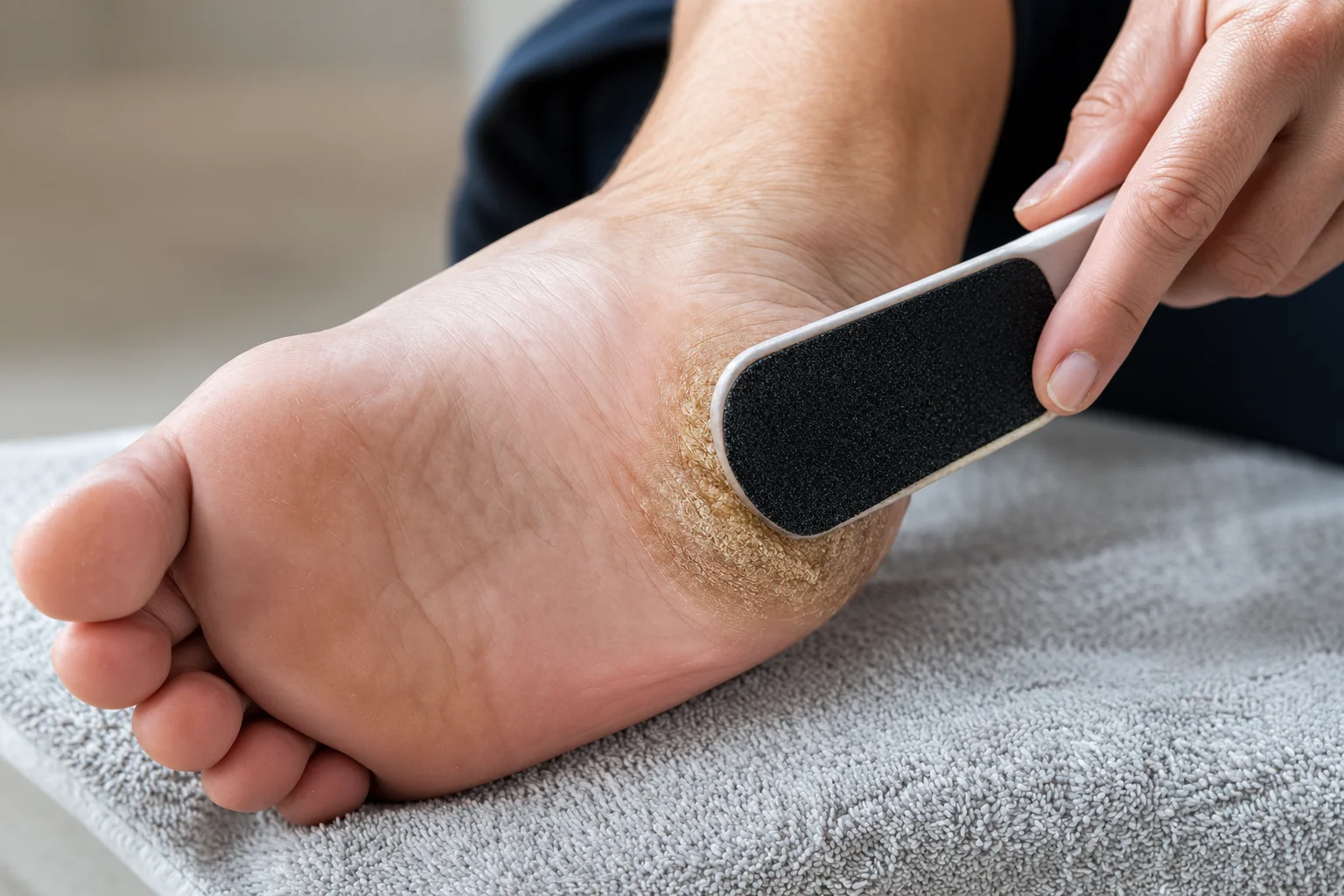
How to fix calluses on feet depends on what is causing them. Calluses are your skin’s response to repeated pressure and friction, which means they are a symptom, not the problem itself. Removing the callus without addressing the pressure that created it guarantees it returns within weeks. A lasting fix treats both the callus and its cause.
What Causes Bunions to Get Worse: The Factors That Accelerate Progression and What You Can Do to Slow It Down
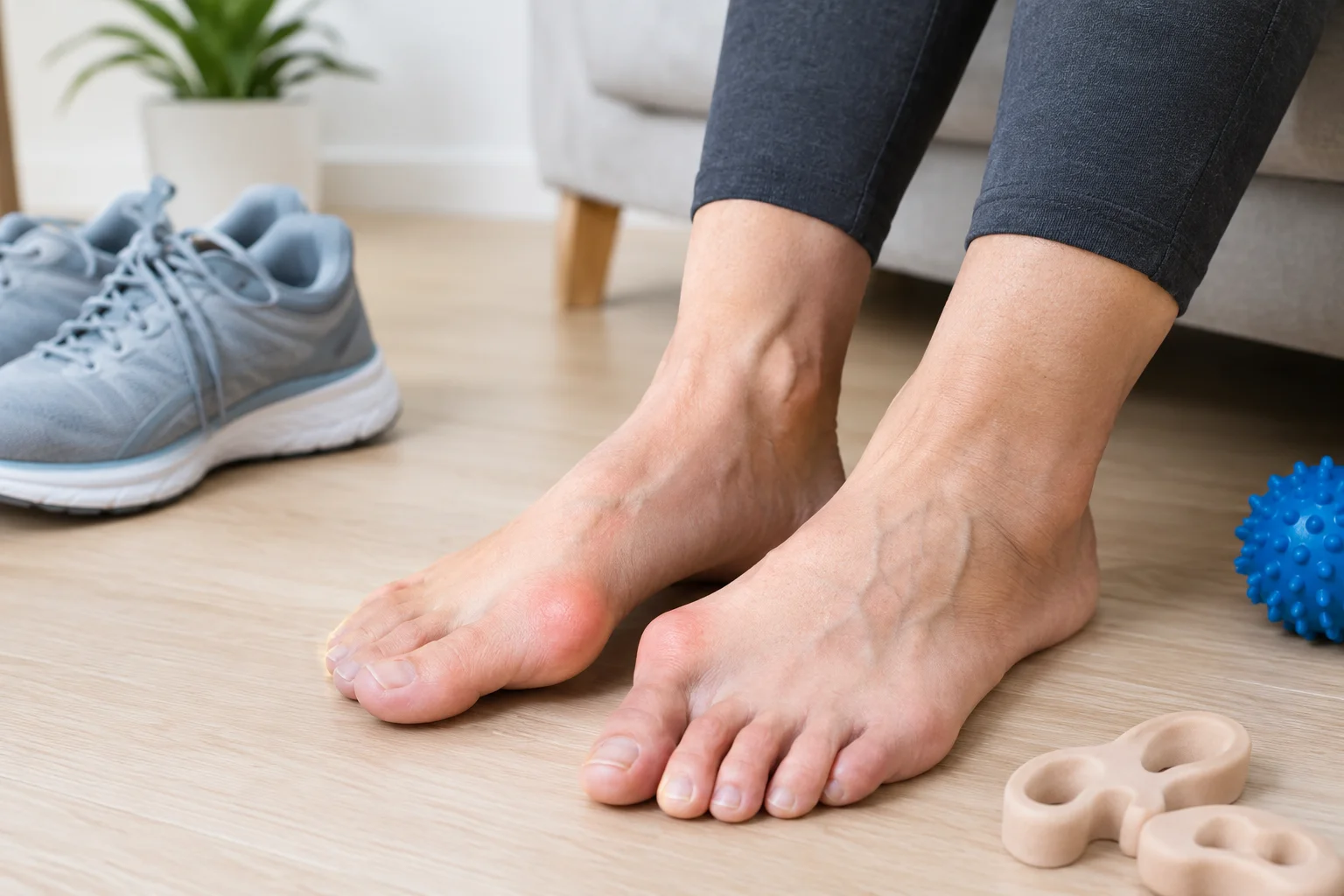
Bunions often become worse gradually as repeated pressure and altered foot mechanics place stress on the big toe joint. Narrow footwear, flat feet, genetics, high impact activity, prolonged standing, weight gain, and certain joint conditions can all contribute to faster progression.
How to Prevent Ingrown Toenails: 8 Podiatrist-Recommended Tips
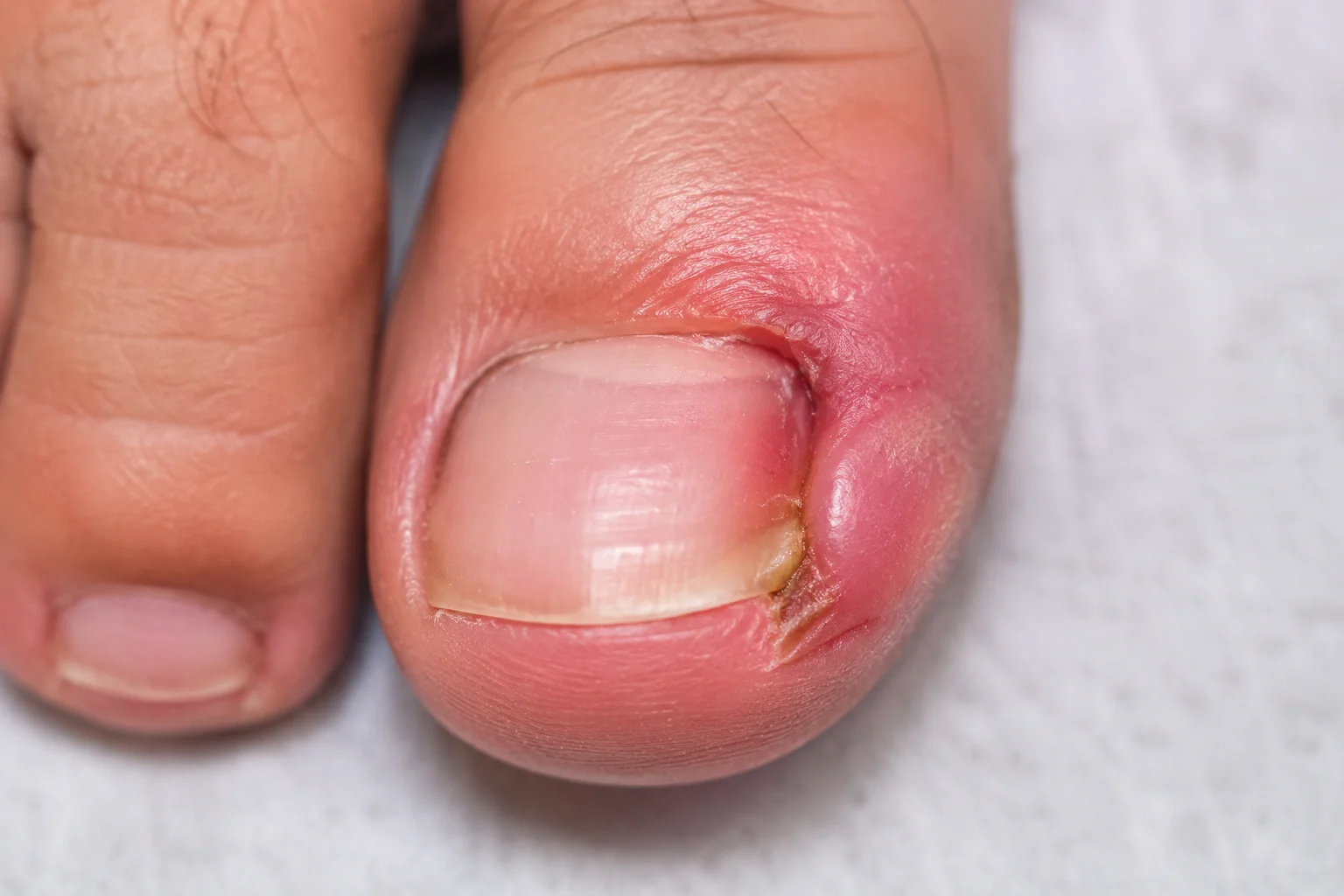
Learn 8 podiatrist-approved tips to prevent ingrown toenails, from correct nail trimming to better-fitting footwear. Expert advice from Sydney Foot Doctor.
Ingrown Toenail Swelling: What Your Swollen Toe Is Telling You and How to Stop It Getting Worse
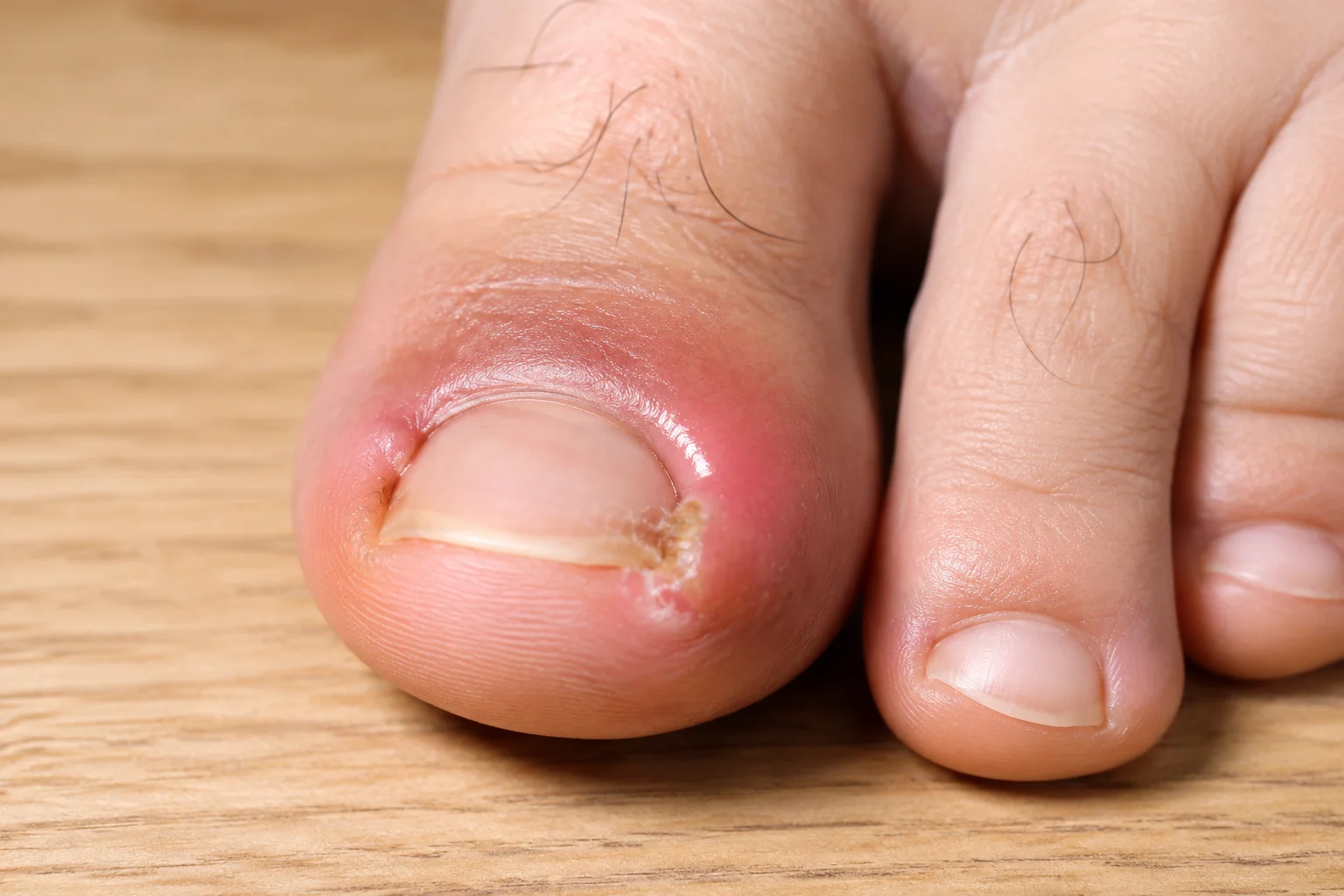
Dealing with a sore, swollen toe? Discover what ingrown toenail swelling really means and how to prevent it from getting worse. From conservative nail care and proper trimming to minor, pain-free procedures like partial nail avulsion, expert podiatrists at Sydney Foot Doctor explain how to stop toenail pain at the source and keep infections away.