What Is Achilles Tendonitis?
The Achilles tendon is the largest and strongest tendon in the body. It connects the gastrocnemius and soleus muscles (your two main calf muscles) to the calcaneus (heel bone). Every time you walk, run, jump, or push off the ground, the Achilles tendon absorbs and transmits enormous force.
Achilles tendonitis occurs when the tendon is subjected to more load than it can handle, more frequently than it can recover from. The tendon fibres become damaged, disorganised, and thickened. In the early stages, inflammation is present (tendonitis). In chronic cases, the condition progresses to tendinopathy, where the tendon structure has changed at a cellular level and the issue is degeneration rather than inflammation.
This distinction matters for treatment. Acute tendonitis (less than six weeks of symptoms) responds well to anti-inflammatory strategies. Chronic tendinopathy (symptoms lasting months or years) requires a loading-based rehabilitation approach because the tendon needs to be stimulated to remodel and repair, not simply rested.
Two Types, Two Different Approaches
Understanding which type of Achilles tendinopathy you have is essential because the treatment differs.
Mid-portion tendinopathy affects the middle section of the tendon, typically two to six centimetres above the heel bone. This is the most common type, accounting for approximately 75 percent of Achilles tendon problems. The area may feel thickened, tender, and stiff, particularly first thing in the morning or after periods of sitting.
Insertional tendinopathy affects the point where the tendon attaches to the back of the heel bone. This type often involves bony changes at the insertion point (similar to a heel spur but at the back of the heel rather than the bottom) and can be aggravated by pressure from the back of shoes. It is more common in less active individuals and does not always respond to the same exercises that work for mid-portion problems.
| Factor | Mid-Portion Tendinopathy | Insertional Tendinopathy |
|---|---|---|
| Location | Middle of the tendon, 2 to 6 cm above heel | Where tendon meets the heel bone |
| Most common in | Runners, active adults, athletes | Less active individuals, all ages |
| Morning stiffness | Yes, typically improves with movement | Yes, often more persistent |
| Aggravated by | Increasing activity too quickly, hill running | Shoe pressure on the back of the heel |
| Bony changes | Uncommon | Common (Haglund’s deformity, calcification) |
| Response to eccentric exercises | Excellent | Variable, may need modification |
| Shoe heel raise helpful | Yes | Sometimes worsens symptoms if it pushes against the insertion |
What Causes Achilles Tendonitis?
The Achilles tendon does not fail without reason. There is always an underlying cause or combination of causes that pushed the tendon beyond its capacity.
Training errors are the most common trigger in active people. Increasing running distance, speed, or hill work too quickly gives the tendon more load than it has adapted to handle. The widely used “10 percent rule” (never increase weekly training load by more than 10 percent) exists specifically to protect the Achilles tendon.
Tight calf muscles directly increase the load on the Achilles tendon with every step. When the calf muscles are inflexible, the tendon has to stretch further under load, which increases the strain on the fibres. This is one of the most common findings in patients presenting with Achilles problems, and addressing it through stretching and dry needling is a critical part of treatment.
Foot biomechanics play a significant role. Overpronation (excessive inward rolling of the foot) creates a “whipping” action on the Achilles tendon, loading the inner fibres more than the outer fibres with each step. This asymmetric loading accelerates tendon damage. Custom orthotics correct this imbalance and distribute load more evenly through the tendon.
Inappropriate footwear contributes in several ways. Shoes with inadequate heel support, worn-out runners that have lost their cushioning, or a sudden switch from heeled shoes to flat shoes (changing the tendon’s resting length overnight) can all trigger Achilles problems. A professional footwear assessment identifies whether your shoes are part of the problem.
Age-related changes make the tendon more vulnerable. After age 30, the Achilles tendon gradually loses elasticity and its blood supply diminishes, particularly in the mid-portion “watershed zone” (the area with the least blood flow, which is also where mid-portion tendinopathy occurs most frequently). This is why Achilles problems are most common in the 30 to 55 age group.
“Most Achilles tendon problems we see could have been prevented with better load management, appropriate footwear, and regular calf stretching. By the time patients come to us, the tendon has usually been under excessive strain for months. The earlier we intervene, the faster the recovery.”
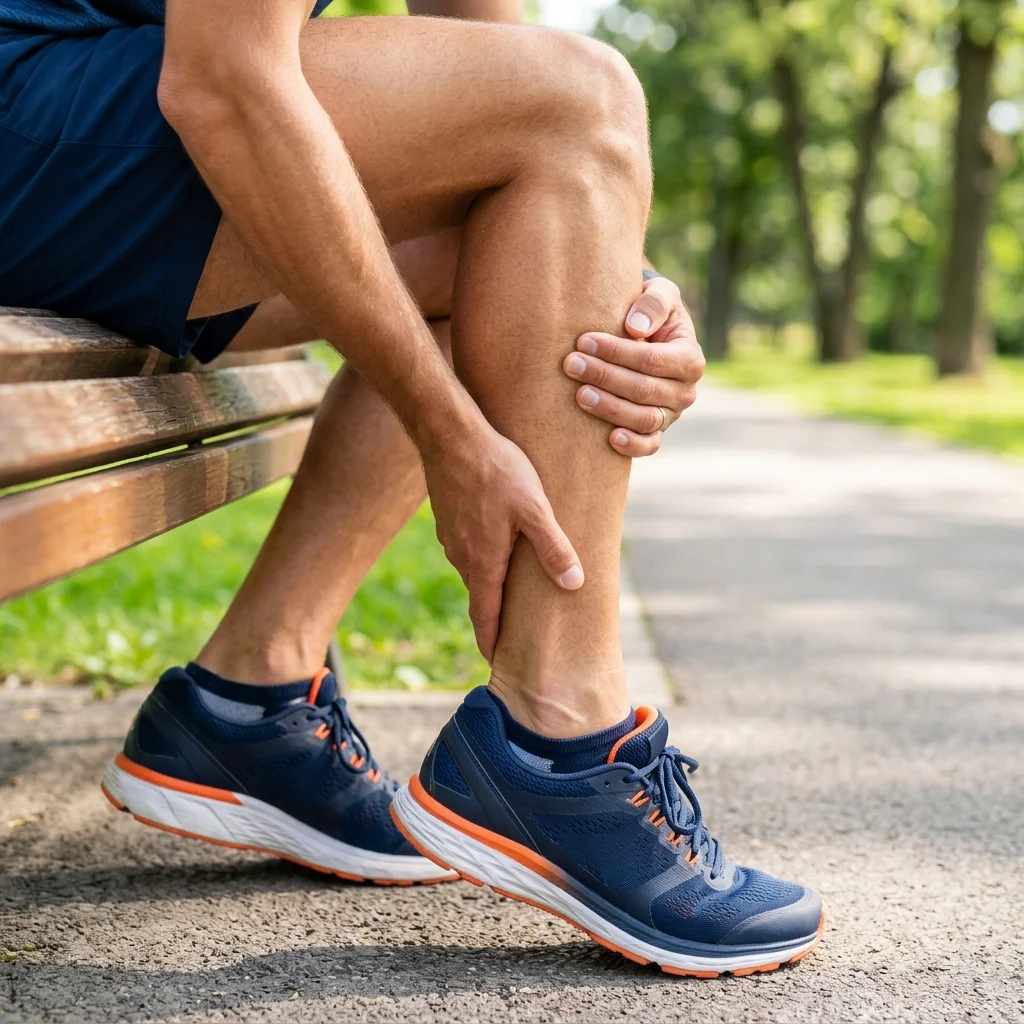
Achilles Tendonitis Treatment: What Actually Works
Effective Achilles tendonitis treatment follows a structured, evidence-based approach. The treatments below are listed in the order they are typically introduced.
Eccentric loading exercises are the gold standard for Achilles tendinopathy rehabilitation and have the strongest research evidence of any treatment. Eccentric exercises involve slowly lowering your heel below the level of a step while standing on the ball of the affected foot. This controlled lengthening under load stimulates the tendon to remodel its damaged fibres and lay down new, properly aligned collagen. The standard protocol (Alfredson protocol) involves performing these exercises twice daily for 12 weeks. For mid-portion tendinopathy, the evidence is very strong. For insertional tendinopathy, the exercises may need to be modified (performed on a flat surface rather than off a step edge to avoid compressing the insertion point).
Orthotic therapy addresses the biomechanical factors that contributed to the overload. Custom orthotics with a slight heel raise reduce the stretch demand on the tendon during walking and running. For runners, sports-specific insoles are designed to support the foot during higher-impact activities without adding bulk to the shoe.
Laser therapy reduces pain and stimulates cellular repair in the tendon tissue. Low-level laser therapy at Sydney Foot Doctor is applied directly over the affected area and is painless. It is most effective when combined with the loading program rather than used in isolation.
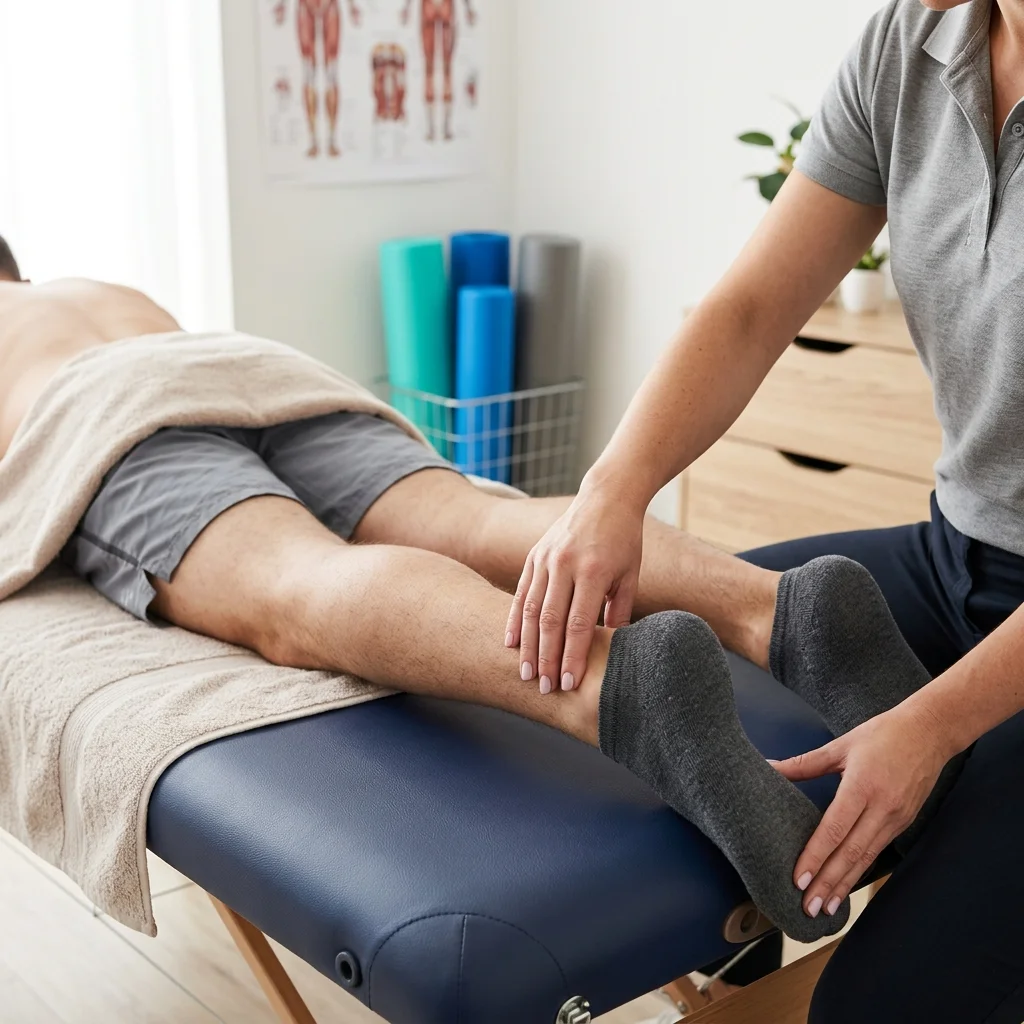
Dry needling releases tight trigger points in the calf muscles (gastrocnemius and soleus) that are contributing to increased tendon load. Dry needling also stimulates a localised healing response in the tendon itself when applied directly to the affected area (a technique called tendon fenestration).
Injection therapy is considered for cases that are not responding to conservative measures after eight to twelve weeks. Injection options may include high-volume image-guided injections (to strip adhesions around the tendon) or PRP (platelet-rich plasma) injections to stimulate healing. Corticosteroid injections are generally avoided for Achilles tendon problems because they carry a risk of tendon weakening.
Shockwave therapy (ESWT) uses acoustic pressure waves to stimulate blood flow and cellular repair in chronic tendinopathy that has not responded to other treatments. It is typically introduced after three to six months of conservative management has plateaued.
Treatment Comparison Table
| Treatment | How It Helps | When It Is Used | Timeline |
|---|---|---|---|
| Eccentric exercises | Stimulates tendon remodelling and collagen repair | Foundation of all treatment plans | 12 weeks daily protocol |
| Custom orthotics | Corrects biomechanics, reduces tendon strain | All cases with contributing foot mechanics | 2 to 4 weeks for noticeable benefit |
| Laser therapy | Reduces pain, accelerates tissue healing | Acute and chronic cases alongside loading | 3 to 6 sessions over 2 to 4 weeks |
| Dry needling | Releases calf tightness, stimulates tendon repair | Tight calves, chronic muscle tension | Cumulative benefit over sessions |
| Injection therapy | Strips adhesions, stimulates healing (PRP) | Non-responsive after 8 to 12 weeks | Variable, often 4 to 8 weeks post-injection |
| Shockwave therapy | Stimulates blood flow in chronic degeneration | Plateau after 3 to 6 months of conservative care | 3 to 6 sessions, results over 6 to 12 weeks |
| Surgery | Debrides damaged tissue, repairs structural tears | Last resort after 6 to 12 months of failed conservative care | 3 to 6 months recovery |
Surgery is reserved for a small percentage of patients. Foot and ankle surgery is available at Sydney Foot Doctor for cases that genuinely require it.
What Does NOT Work for Achilles Tendonitis
Complete rest is one of the most common mistakes. Resting removes all load from the tendon, which causes it to weaken further. When you resume activity, the tendon is less capable than before and the pain returns, often worse. Relative rest (reducing load to a tolerable level while maintaining some activity) is the correct approach.
Stretching alone without strengthening does not address the tendon degeneration. Static stretching of the calf provides temporary relief but does not stimulate the tendon remodelling that eccentric loading achieves.
Anti-inflammatory medication long term masks pain without fixing the underlying problem. Short-term use (one to two weeks) during acute flare-ups is reasonable, but ongoing NSAID use can actually impair tendon healing by suppressing the inflammatory process that initiates repair.
Ignoring it is the most damaging approach. Achilles tendinopathy that is left untreated for months becomes progressively harder to treat. Acute tendonitis (weeks of symptoms) resolves much faster than chronic tendinopathy (months or years of symptoms).
Recovery Timeline: What to Expect
Recovery timelines vary based on how long the condition has been present before treatment begins.
Acute cases (symptoms for less than 6 weeks): Most patients experience significant improvement within 6 to 12 weeks of starting a structured eccentric loading program combined with orthotics and clinical treatments.
Subacute cases (symptoms for 6 weeks to 3 months): Recovery typically takes 3 to 4 months with consistent rehabilitation.
Chronic cases (symptoms for more than 3 months): These cases require 4 to 6 months or longer. The tendon has undergone structural changes that take time to reverse. Patience and consistency with the loading program are essential.
The most important factor in recovery speed is doing the eccentric exercises consistently, every day, for the full 12-week protocol. Patients who are inconsistent or stop early when the pain reduces typically experience recurrence.
Preventing Achilles Tendonitis from Returning
Once the tendon has healed, these habits prevent recurrence.
Maintain a regular calf stretching routine, even after the pain has resolved. Tight calves are the number one risk factor for recurrence, and flexibility must be maintained long term, not just during the rehabilitation phase.
Increase training loads gradually. Whether you run, play sport, or exercise recreationally, follow the 10 percent rule and allow the tendon time to adapt to new demands.
Wear appropriate footwear with adequate heel support and cushioning. Replace running shoes every 600 to 800 kilometres. A footwear assessment ensures your shoes match your foot type and activity level.
Continue using your orthotics if they were prescribed as part of your treatment. The biomechanical factors that contributed to the original problem do not change without ongoing support.
Schedule a follow-up podiatry assessment if you notice any return of stiffness, thickening, or discomfort in the tendon. Early re-intervention is far more effective than waiting for a full relapse.
When to See a Podiatrist
Book an appointment if Achilles pain has been present for more than two weeks and is not improving. If morning stiffness in the tendon lasts longer than 30 minutes daily, professional assessment is needed. If the tendon feels thickened compared to the other side, structural changes may be occurring. If pain is affecting your ability to walk, exercise, or work, treatment should not be delayed. If you have had a sudden sharp pain in the back of the leg (possible partial tear), seek assessment urgently.
Sydney Foot Doctor has eight clinics across Sydney. Find your nearest clinic to book an Achilles tendon assessment. For athletes and active patients, the sports podiatry service provides assessment tailored to training loads and return-to-sport planning.