What Is Metatarsalgia?
Each foot has five long bones called metatarsals, running from the middle of the foot to the base of the toes. The rounded ends of these bones, the metatarsal heads, sit under the ball of the foot and take a large share of your body weight every time you push off to walk, run or climb stairs. A layer of fat and soft tissue cushions them.
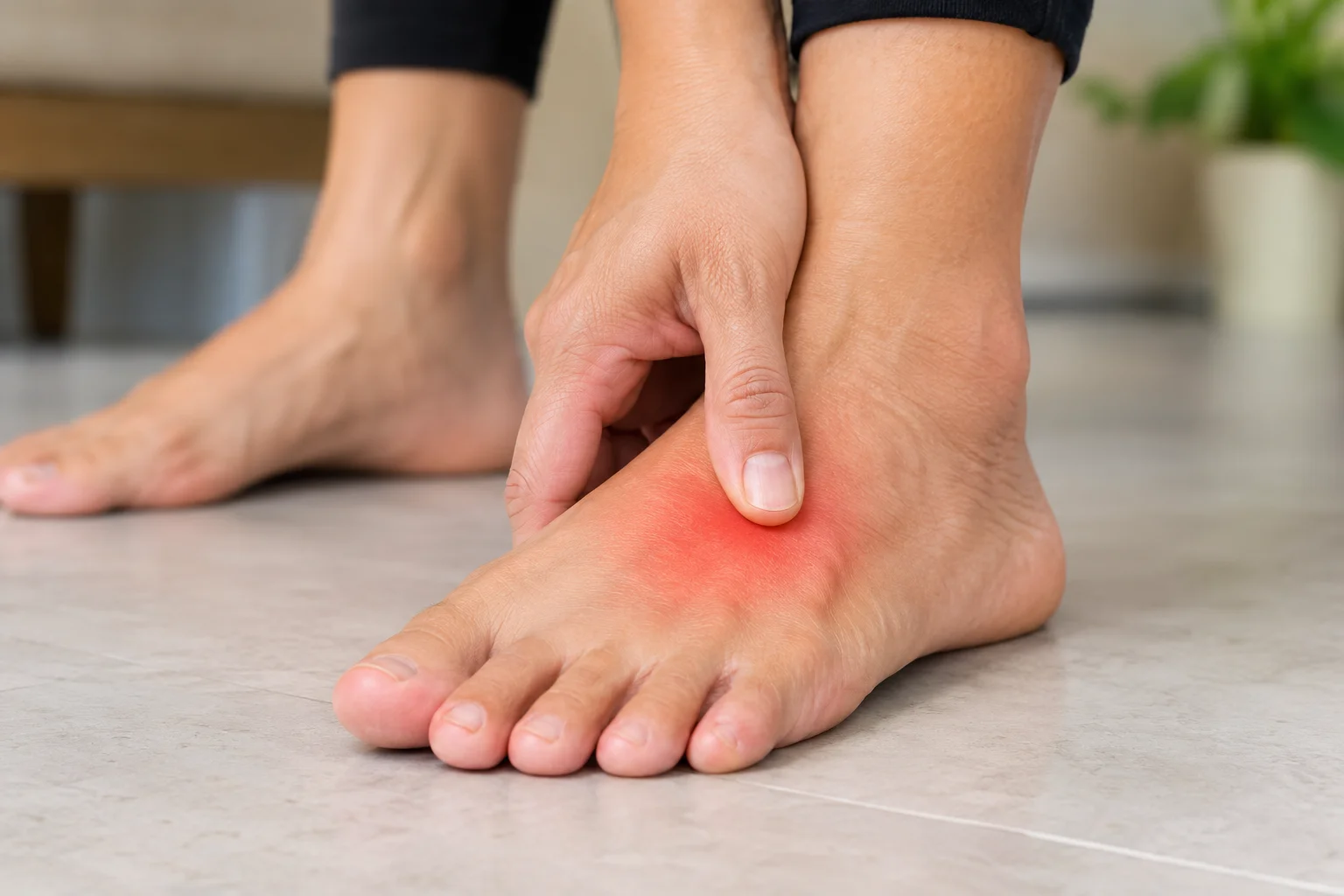
Metatarsalgia describes pain in this region, most often under the second, third or fourth metatarsal heads. When the area is overloaded, the joints, ligaments and soft tissue around the metatarsal heads become irritated and inflamed. The pain usually builds gradually rather than starting with a single injury, which is why many people put up with it for weeks before seeking help.
Because metatarsalgia is a description of where pain is felt rather than a diagnosis on its own, the most useful step is working out why the ball of the foot is being overloaded. The cause guides the treatment, and two people with the same pain can need quite different plans.
Common Symptoms of Ball of Foot Pain
Symptoms tend to come on slowly and are often worse at the end of a long day on your feet. The most common signs include:
- Sharp, aching or burning pain in the ball of the foot. The pain is usually felt just behind the toes and may be focused under one or two toes or spread across the forefoot.
- Pain that increases when you stand, walk or run. Activities that load the front of the foot, such as running, jumping, climbing stairs or walking uphill, often make symptoms worse, and rest usually eases them.
- A feeling of walking on a pebble or a folded sock. Many people describe a lump or bruise sensation under the forefoot even though nothing is visible.
- More pain barefoot on hard floors. Tiles, timber floors and hard ground give the metatarsal heads no cushioning, so symptoms are often noticed first thing in the morning or around the house.
- Numbness or tingling in the toes. This can happen when nearby nerves are irritated. It is worth having checked, as it can also point to other conditions.
- Thick skin under the ball of the foot. Calluses often form where pressure is highest, and the callus itself can add to the pressure and discomfort.
Causes and Risk Factors
Metatarsalgia usually develops from a combination of factors rather than one single cause. Understanding which ones apply to you helps a podiatrist decide what will make the biggest difference.
High-impact activity. Running, court sports, jumping and dancing put repeated force through the forefoot. Sudden increases in training volume, hill sessions or speed work can overload the area before the tissues have time to adapt. If you are active and the pain is linked to training, our article on what a sports podiatrist does explains how training load and biomechanics are assessed.
Footwear. High heels shift body weight forward onto the ball of the foot. Shoes with thin, hard soles provide little cushioning, and narrow or pointed toe boxes squeeze the forefoot. Worn-out running shoes lose their shock absorption over time and can quietly add to the problem.
Foot shape and foot structure. A high-arched foot places more pressure on the forefoot. A second metatarsal that is longer than the first can take more than its share of load. Toe changes such as hammer toes and bunions can push the metatarsal heads down towards the ground, increasing pressure under the ball of the foot.
Tight calf muscles. Tightness in the calf and Achilles tendon limits how far the ankle can bend, which can cause the heel to lift early and transfer more weight onto the forefoot with every step.
Age-related fat pad thinning. The natural cushioning under the ball of the foot tends to thin and shift forward as we get older, leaving the metatarsal heads less protected.
Body weight and time on your feet. Extra body weight and long hours standing or walking on hard surfaces, common in retail, hospitality and warehouse work, increase the total load the forefoot carries each day.
Other conditions. Arthritis, gout and some nerve conditions can cause or contribute to forefoot pain. People with diabetes may have reduced sensation and should have any foot pain checked promptly.
Conditions That Can Feel Similar
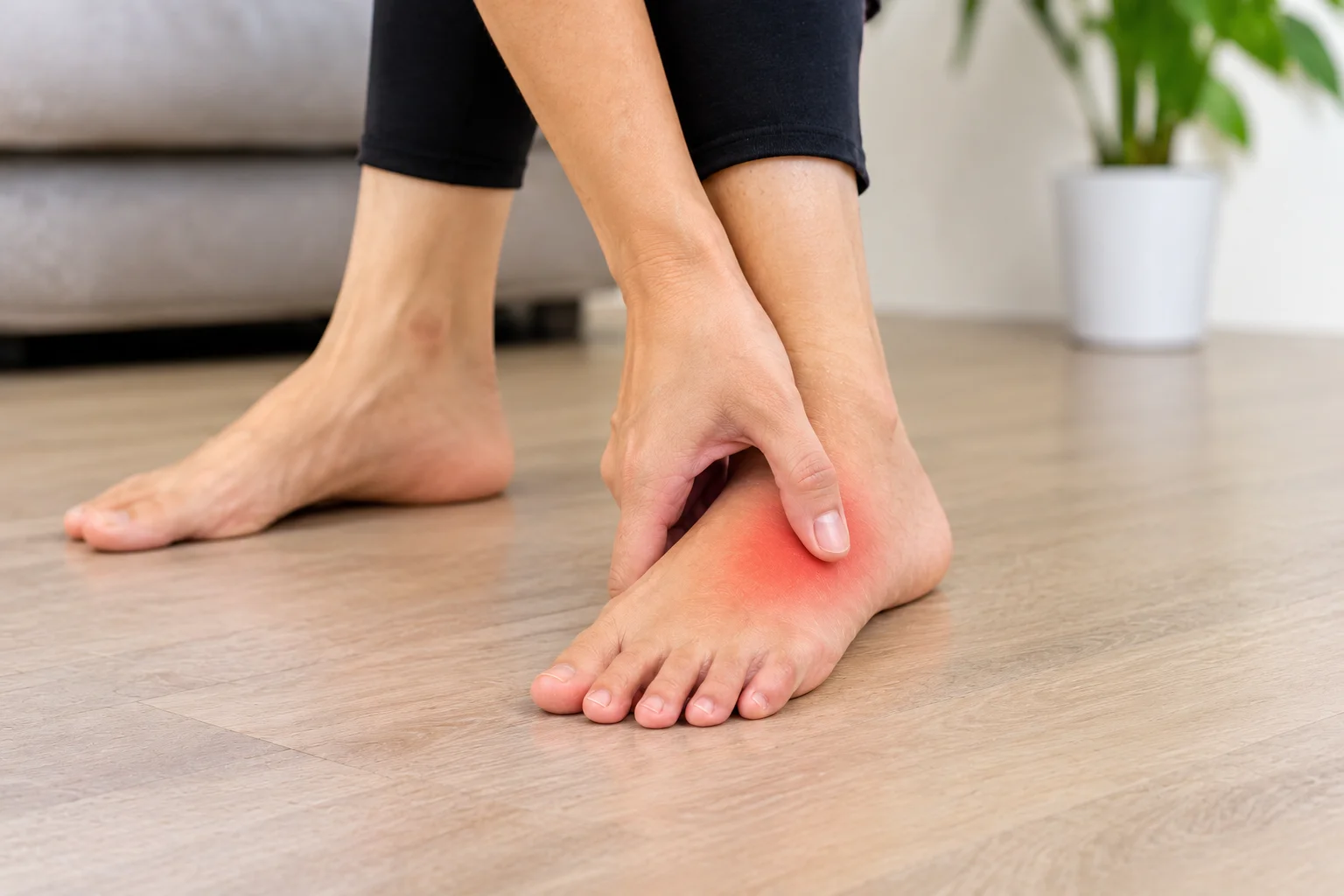
Several other problems also cause pain in the front of the foot, which is one reason an assessment is helpful before starting treatment.
Stress fracture. A small crack in a metatarsal bone, often linked to a sudden increase in activity, can feel similar to metatarsalgia but usually causes pain over one specific point on the bone, often with swelling. Continuing to train on a stress fracture can make it worse, so it is important to rule out. Read more about stress fracture foot symptoms.
Morton’s neuroma. This is a thickening of the tissue around a nerve between the toes, most often between the third and fourth toes. It tends to cause burning, tingling or numbness that spreads into the toes, rather than pain directly under the metatarsal heads.
Calluses and corns. Hard skin under the ball of the foot can be both a sign of overload and a source of pain. Reducing the callus may ease symptoms, but it will usually return unless the pressure behind it is addressed. Our guide on how to fix calluses on feet explains why.
Joint irritation at the base of a toe. Inflammation of the joint and ligaments at the base of the second toe can cause pain and swelling in a similar area and may change how the toe sits over time.
A podiatrist will consider each of these possibilities and may refer you for imaging, such as an X-ray or ultrasound, if a stress fracture or another cause needs to be ruled out.
Relief You Can Start at Home
For mild ball of foot pain, simple changes are often enough to settle symptoms within a few weeks. These steps are a sensible starting point while you work out the cause:
- Reduce the activities that aggravate the pain. Swap running and jumping for lower impact options such as cycling or swimming for a short period, then return gradually. Resting the area completely is rarely needed, but repeatedly pushing through pain usually slows recovery.
- Change your footwear. Choose shoes with a cushioned sole, a low heel and a toe box wide enough for your toes to spread. Avoid walking barefoot on hard floors while symptoms are present, and wear supportive, cushioned footwear around the house.
- Use a cold pack. Applying a cold pack wrapped in a cloth for 10 to 15 minutes, a few times a day, can help calm pain and inflammation after activity. Never place ice directly on the skin.
- Try a metatarsal pad. A small pad placed just behind the ball of the foot, not directly under it, can spread pressure away from the sore metatarsal heads. Placement matters, so if a pad makes your pain worse, stop using it and seek advice.
- Stretch your calves. Gentle, regular calf stretches can reduce how much load moves onto the forefoot as you walk. Hold each stretch for around 30 seconds and repeat several times a day.
- Check your shoes for wear. Look at the soles and cushioning of the shoes you wear most. Flattened midsoles and uneven wear can be a sign they are no longer protecting your feet.
If you need pain relief medication, speak with your pharmacist or GP first, especially if you take other medicines or have a medical condition.
When to See a Podiatrist
Home care is a reasonable first step, but some signs mean it is time for a professional assessment. Book an appointment with a podiatrist if:
- Your pain has lasted more than two weeks despite rest and better footwear.
- The pain keeps coming back each time you return to exercise or long periods of standing.
- You are limping or changing the way you walk to avoid the pain.
- You have numbness, tingling or burning that spreads into the toes.
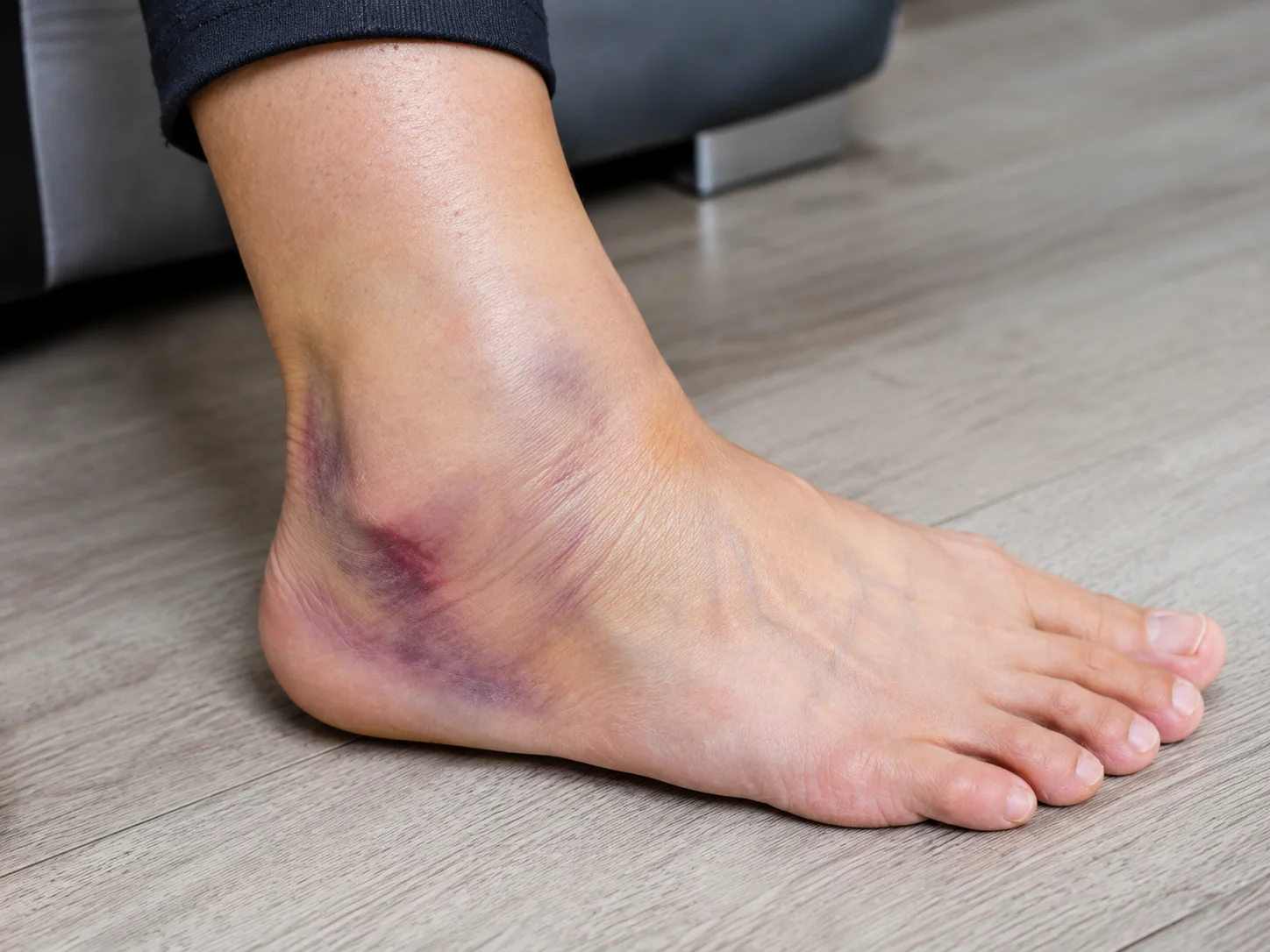
- There is swelling, bruising or one specific spot on the bone that is very tender to touch.
- You have hard skin or corns under the ball of the foot that keep returning.
- You have diabetes, poor circulation or reduced feeling in your feet. In these cases, any foot pain or skin change should be checked promptly.
Seek urgent medical care through your GP or an emergency department if you cannot put any weight on the foot, if pain and swelling started suddenly after an injury, or if the area becomes red, hot and swollen, particularly with a fever.
How a Podiatrist Can Help With Metatarsalgia
A podiatrist focuses on finding out why the ball of your foot is overloaded and then reducing that load, rather than simply treating the pain. An appointment usually includes:
A detailed history. Your podiatrist will ask when the pain started, what makes it better or worse, your work and activity levels, any recent changes in training or footwear, and your general health.
A physical examination. This includes checking where the pain is located, the joints and soft tissue of the forefoot, toe position, skin and callus patterns, calf flexibility and the structure of your foot. This helps separate metatarsalgia from conditions such as a stress fracture or nerve irritation.
Gait and footwear assessment. Watching how you walk or run shows how load moves through your foot. Your podiatrist will also look at the shoes you wear most, including their fit, cushioning and wear pattern. Our article on footwear assessment explains what a podiatrist checks and why your shoes matter.
A plan to offload the area. Depending on the cause, your plan may include footwear advice, padding to redistribute pressure, callus care, a calf stretching and foot strengthening program, and guidance on adjusting training or activity. For some people, custom orthotics are recommended to spread pressure more evenly across the foot and support the forefoot during daily activity and sport.
Referral when needed. If your podiatrist suspects a stress fracture, nerve problem or joint condition, they may refer you for imaging or to your GP for further assessment.
Recovery time varies with the cause and how long the pain has been present. Many people notice improvement within a few weeks of reducing the load, while longer-standing problems can take more time and regular review.
How to Prevent Ball of Foot Pain Coming Back
Once symptoms settle, a few habits help protect the forefoot over the long term:
- Build training load gradually. Increase running distance, speed or hill work in small steps and include rest days, so your feet have time to adapt.
- Rotate and replace your shoes. Replace running shoes once the cushioning feels flat or the sole shows uneven wear, and save high heels or thin-soled shoes for short periods.
- Keep your calves flexible and your feet strong. Regular calf stretching and simple foot strengthening exercises support the way load moves through the foot.
- Manage calluses early. Hard skin under the ball of the foot is a sign of pressure. Having it reduced and addressing the cause stops it building up again.
- Keep any orthotics or padding up to date. If you have been given orthotics or padding, wear them as advised and have them reviewed if your symptoms return or your activity changes.
Book an Appointment
Sydney Foot Doctor has podiatrists at clinics across Sydney, including our podiatrist in Merrylands. If ball of foot pain is affecting your work, exercise or daily walking, book an appointment for an assessment.