What Causes Ingrown Toenails?
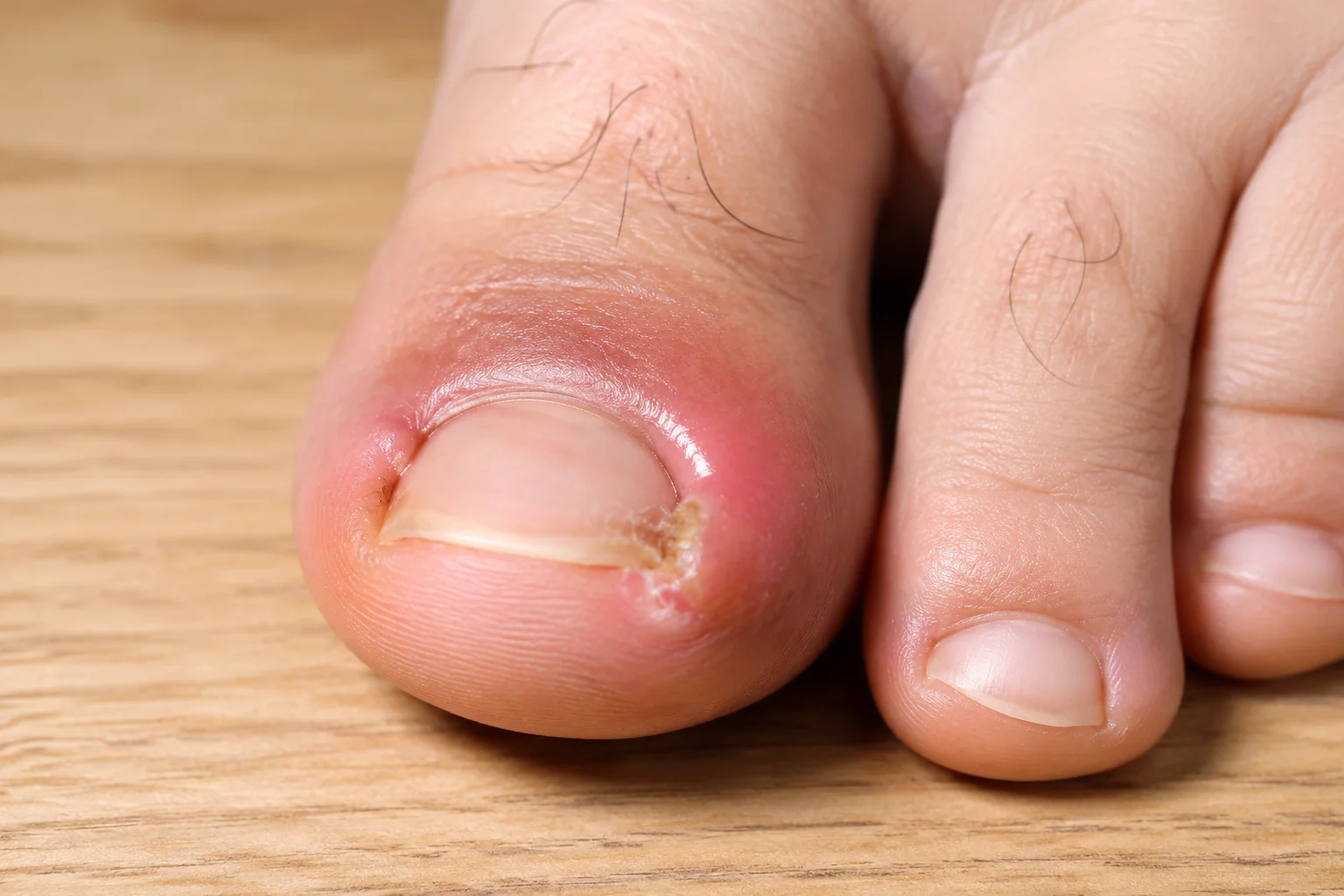
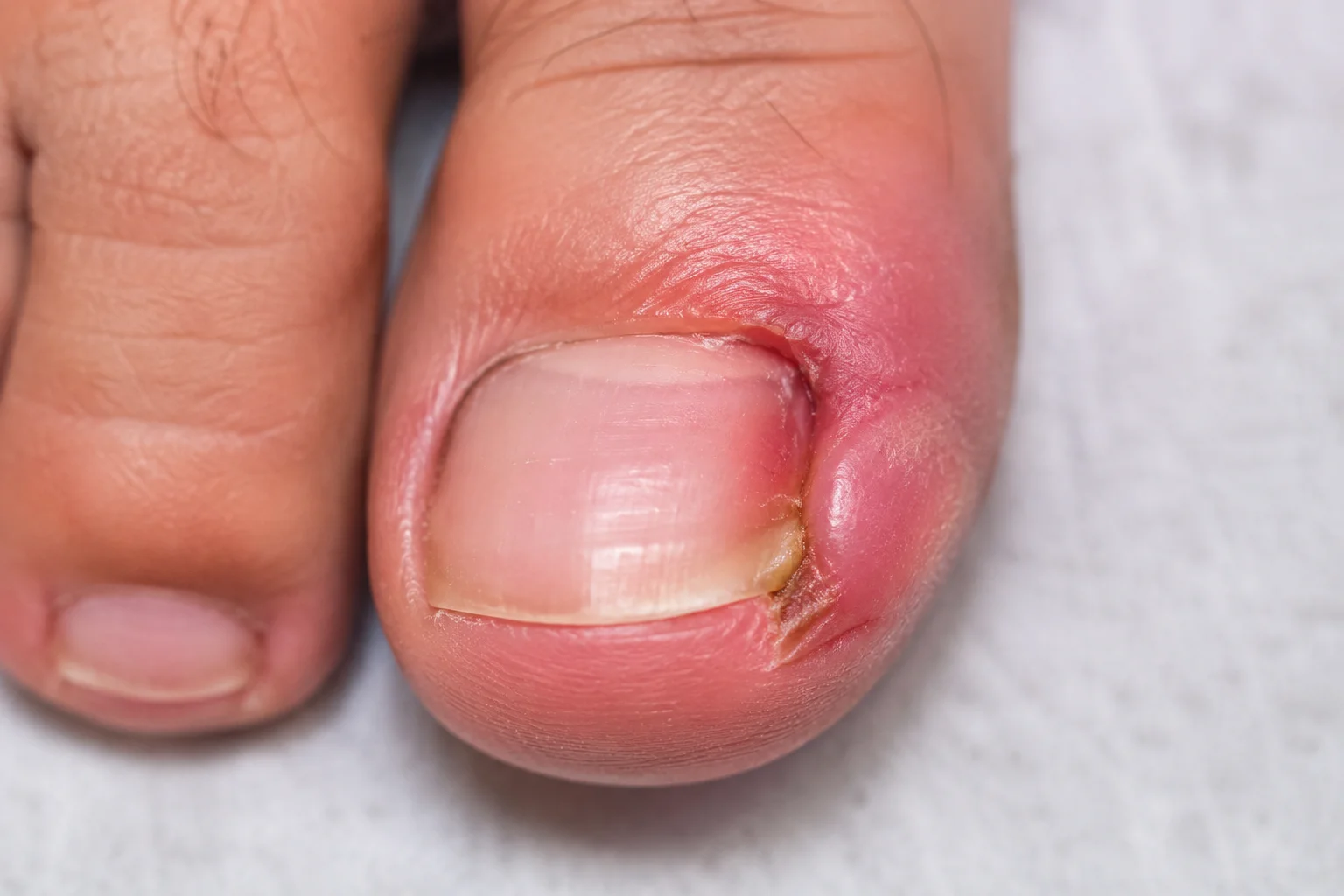
An ingrown toenail occurs when the edge or corner of a toenail presses into or grows into the surrounding skin. The big toe is particularly susceptible because of the size and shape of its nail and the pressure it experiences inside footwear.
Several factors can increase your risk, including:
- Cutting toenails too short or rounding the corners
- Picking, tearing or digging into the sides of the nail
- Wearing shoes that compress the toes
- Repeated pressure or trauma from sport and physical activity
- Naturally curved or involuted toenails
- Changes to the nail caused by previous injury or other nail conditions
- Excess moisture and prolonged periods in enclosed footwear
Some people are more prone to ingrown toenails because of their natural nail shape. In these cases, careful nail care can reduce the risk, but recurring problems may require professional treatment.
If you are already experiencing swelling around the nail, read our guide to ingrown toenail swelling to understand what your symptoms may indicate.
1. Cut Your Toenails Straight Across
One of the most important steps in learning how to prevent ingrown toenails is changing the way you trim your nails.
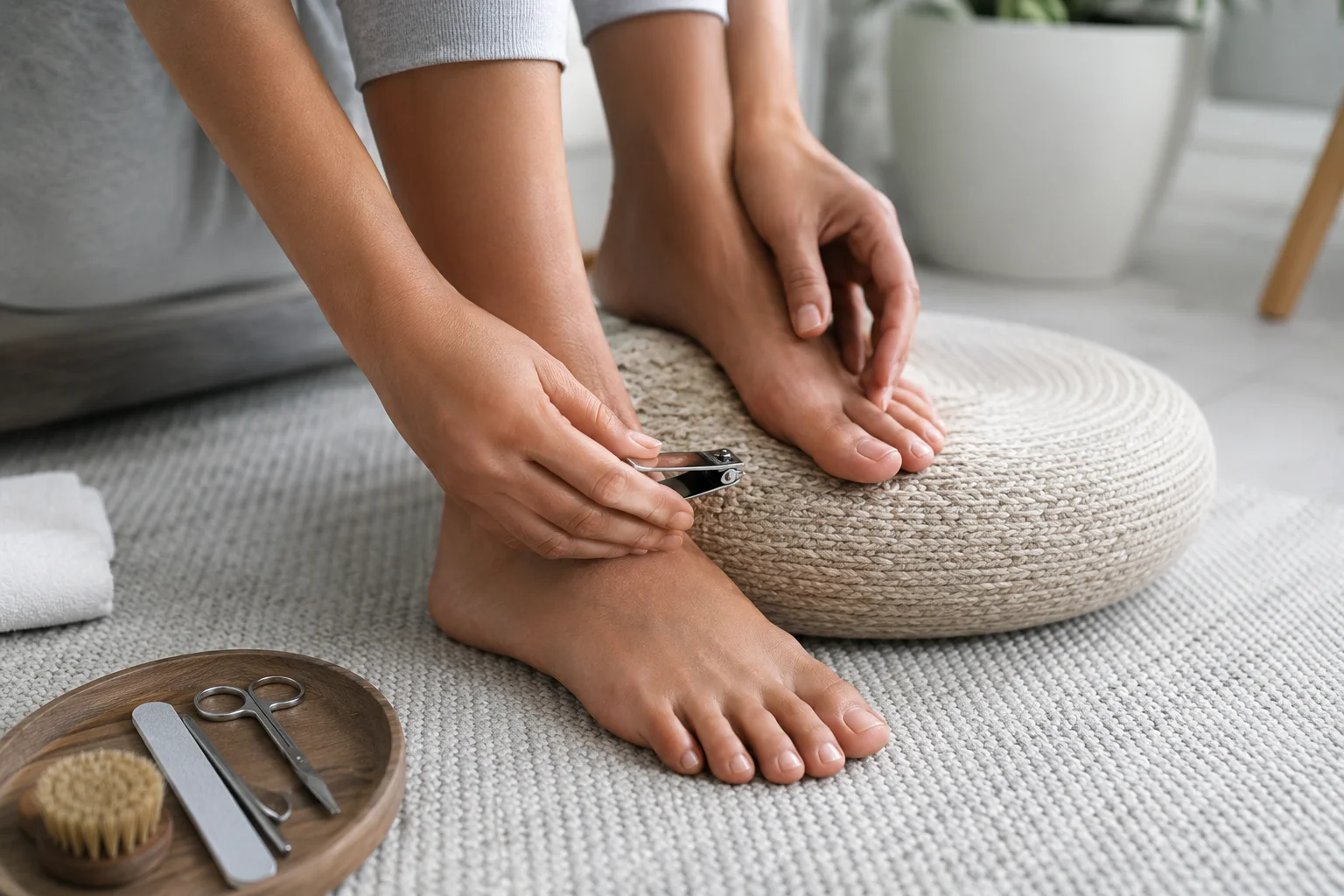
Toenails should generally be trimmed straight across rather than cut into a rounded shape. Avoid cutting deeply into the corners in an attempt to make the nail look shorter or more comfortable.
Leaving a small amount of nail visible beyond the end of the toe can also help prevent the edge from becoming buried in the surrounding skin.
After trimming, gently file away any sharp edges that could catch on socks or press against the skin.
Avoid repeatedly cutting into the sides of the nail. Although this may appear to relieve pressure temporarily, it can leave a sharp nail edge or small fragment that later grows into the skin.
If you find it difficult to safely manage your toenails, Sydney Foot Doctor’s professional nail care services may be worth considering.
2. Do Not Cut Your Toenails Too Short
Cutting your toenails extremely short does not necessarily prevent problems. In fact, it can increase the risk of an ingrown toenail.
When too much of the nail is removed, the surrounding skin can begin to sit over the nail edge as it grows. The nail may then press into the skin rather than growing forward normally.
A better approach is to trim the nail neatly while leaving enough length for the edge to remain visible.
If you have a habit of cutting your nails very short because they feel uncomfortable inside your shoes, your footwear may also be contributing to the problem.
For persistent nail pain or an existing ingrown toenail, professional ingrown toenail treatment can address the nail edge causing the pressure.
3. Choose Shoes With Enough Room for Your Toes
Your footwear can play an important role in preventing ingrown toenails.
Shoes that are too narrow can push the toes together and increase pressure against the sides of the toenails. Repeated pressure can irritate the skin around the nail and make it easier for the nail edge to penetrate the surrounding tissue.
When choosing footwear, look for:
- Adequate width around the toes
- Enough length so your toes are not pressed against the front of the shoe
- A comfortable toe box that allows the toes to sit naturally
- Proper sizing for your usual activity
This is particularly important if you spend long periods wearing enclosed footwear or participate in activities that place repeated pressure on your toes.
If footwear or foot mechanics may be contributing to your symptoms, Sydney Foot Doctor’s podiatry services can provide an assessment and appropriate advice.
4. Keep Your Feet Clean and Dry
Good foot hygiene can help maintain healthy skin around your toenails.
Wash your feet regularly and dry them thoroughly afterwards, paying particular attention to the spaces between your toes and the skin around your nails.
If your feet become sweaty during the day, changing into clean, dry socks can help reduce prolonged moisture inside your footwear.
Keeping your feet dry is particularly useful if you spend many hours in enclosed shoes or participate in sports and other activities that cause your feet to sweat.
Healthy skin is better able to tolerate everyday pressure and friction around the toes.
5. Do Not Pick, Tear or Dig Into Your Toenails
It can be tempting to use nail clippers, scissors or other objects to dig into the corner of a painful toenail.
Avoid doing this.
Trying to remove the nail yourself can leave sharp fragments behind and cause additional damage to the surrounding skin. It can also introduce bacteria into an area that is already irritated.
The same applies to tearing a toenail instead of trimming it properly. A torn nail can leave an uneven edge that catches against the surrounding skin as it grows.
If the nail is already embedded in the skin or causing significant pain, professional ingrown toenail treatment is a safer option.
6. Protect Your Toes During Sport and Exercise
Repeated pressure or trauma to the toes can contribute to nail problems.
Activities such as running, football and other sports can expose the toes to repeated impact, friction and pressure inside footwear. Stubbing a toe or injuring the nail can also alter its shape or leave damaged edges.
To reduce unnecessary pressure:
- Wear properly fitted sports footwear
- Make sure your toes have enough room inside the shoe
- Keep toenails trimmed appropriately
- Replace footwear when it becomes excessively worn or no longer fits correctly
- Address persistent toe or nail discomfort rather than continuing to exercise through it
If foot or lower limb problems are affecting your sporting activities, Sydney Foot Doctor’s sports podiatry service can assess your feet and help identify contributing factors.
7. Pay Attention to Changes in Your Toenails
Prevention is easier when you recognise potential problems early.
Check your toenails regularly for:
- Tenderness around the nail edge
- Redness or mild swelling
- Increasing pressure when wearing shoes
- A nail edge pressing into the surrounding skin
- Changes in nail shape
- Discharge or other signs of infection
Do not ignore a small problem simply because the pain is manageable. An ingrown toenail can become progressively more inflamed when the nail continues pressing into the skin.
If you notice swelling, increasing pain or discharge, our guide on ingrown toenail swelling explains when professional assessment is recommended.
8. Address Recurring Ingrown Toenails
If the same toenail keeps becoming ingrown despite correct nail trimming and appropriate footwear, there may be an underlying structural reason.
Some toenails naturally curve or become involuted at the edges, making them more likely to press into the surrounding skin as they grow. Repeatedly treating the symptoms without addressing the cause can result in the problem returning.
For recurring cases, a podiatrist can assess the nail and discuss appropriate treatment options.
Sydney Foot Doctor provides both conservative care and ingrown toenail surgery for suitable cases. Partial nail avulsion can remove the problematic section of nail, while phenolisation may be used to reduce the chance of that section growing back.
You can also read our detailed guide to recurring ingrown toenails to understand why the problem may keep returning.
Can You Prevent an Ingrown Toenail Completely?
There is no way to guarantee that an ingrown toenail will never develop.
Some people are naturally more susceptible because of their nail shape, previous nail trauma or other factors. However, correct nail trimming, suitable footwear and good foot care can reduce avoidable pressure on the nail and lower the risk.
If you have already experienced several ingrown toenails, prevention may require more than changing your nail-cutting technique. A podiatric assessment can help identify why the problem keeps returning and whether a longer-term treatment option is appropriate.
What Should You Do If You Already Have an Ingrown Toenail?
If your toenail is only mildly tender and there is no discharge or significant swelling, removing pressure from the toe and correcting your nail-care habits may help.
However, avoid attempting to cut deeply into the nail or dig underneath the nail edge yourself.
You should arrange a podiatry assessment if the pain is increasing, the toe is becoming red or swollen, discharge is present, walking is uncomfortable, or the problem keeps returning.
People with diabetes, poor circulation or other factors that increase the risk of foot complications should seek professional advice promptly rather than attempting to manage a problematic toenail themselves.
Sydney Foot Doctor offers ingrown toenail treatment across its Sydney clinics and can determine whether conservative treatment or a minor procedure is appropriate.
How Sydney Foot Doctor Can Help With Ingrown Toenails
Preventing an ingrown toenail is not always possible, particularly when the shape of the nail makes it naturally prone to growing into the surrounding skin.
At Sydney Foot Doctor, podiatrists can assess the nail, identify the likely cause and recommend treatment based on the severity of the problem.
Mild cases may be managed conservatively by addressing the offending nail edge and providing advice on nail care and footwear. More persistent, infected or recurring cases may require a partial nail avulsion under local anaesthetic.
If your ingrown toenail continues to return, Sydney Foot Doctor’s ingrown toenail surgery service provides a longer-term treatment option for suitable patients.