Why Ingrown Toenails Keep Coming Back
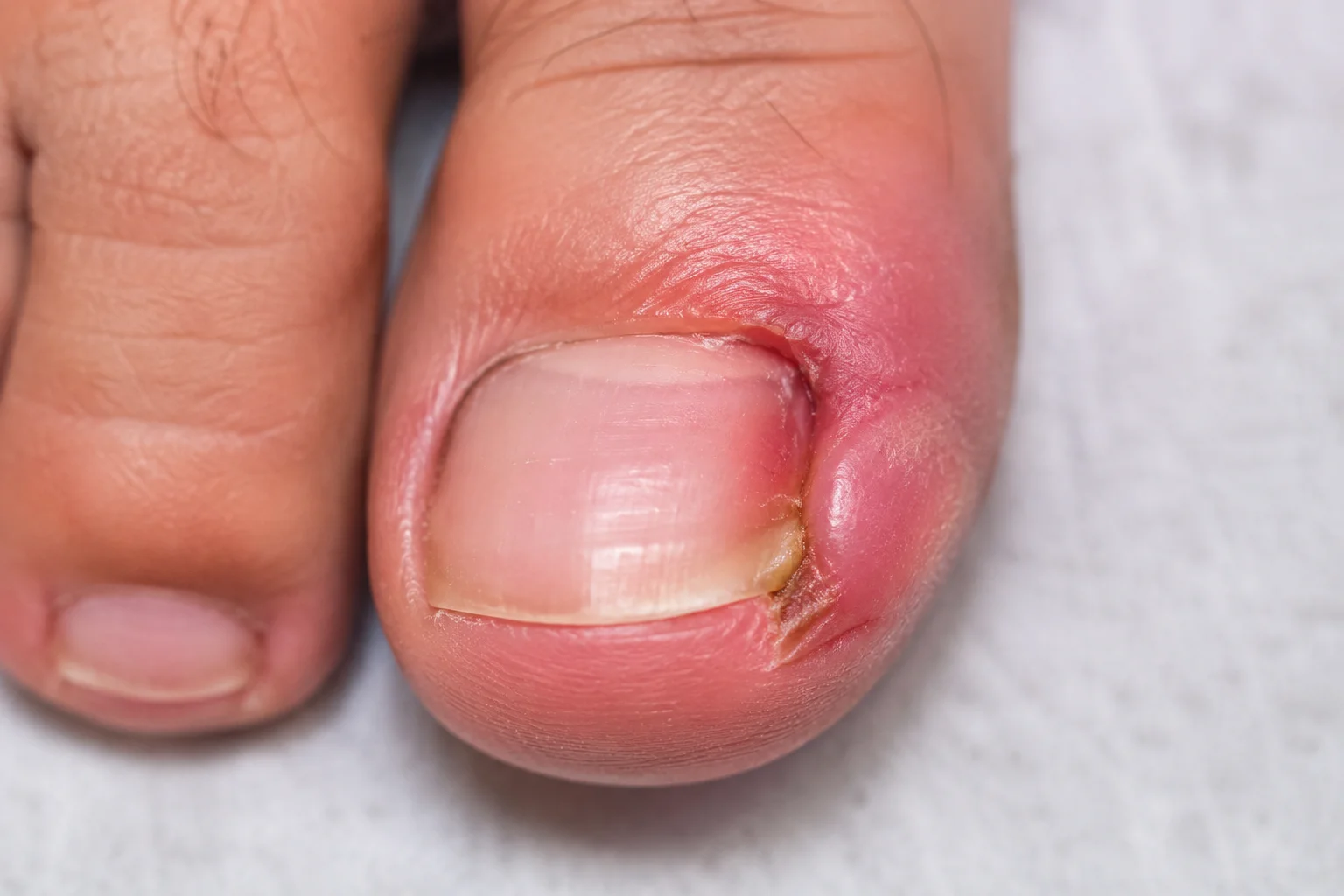
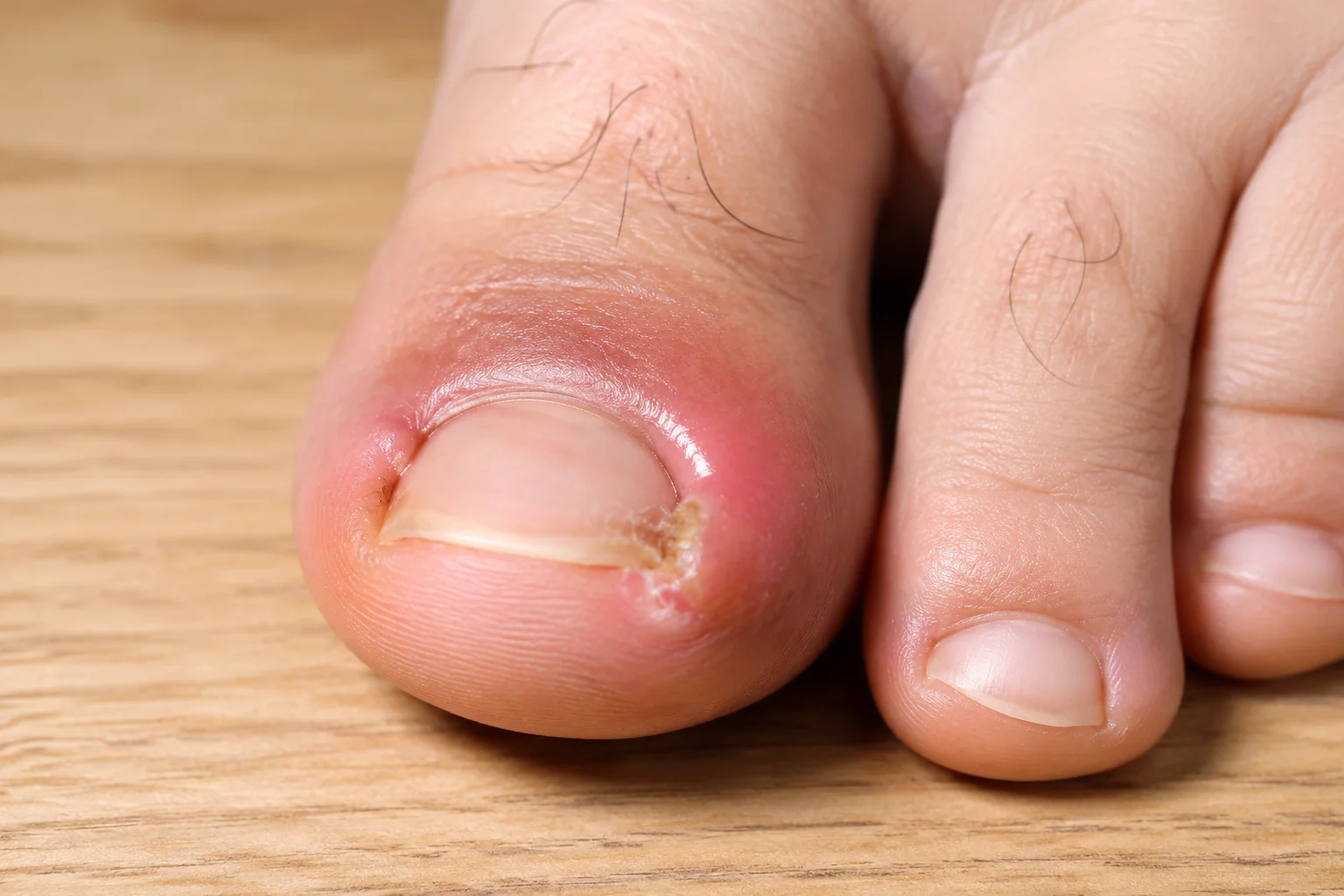
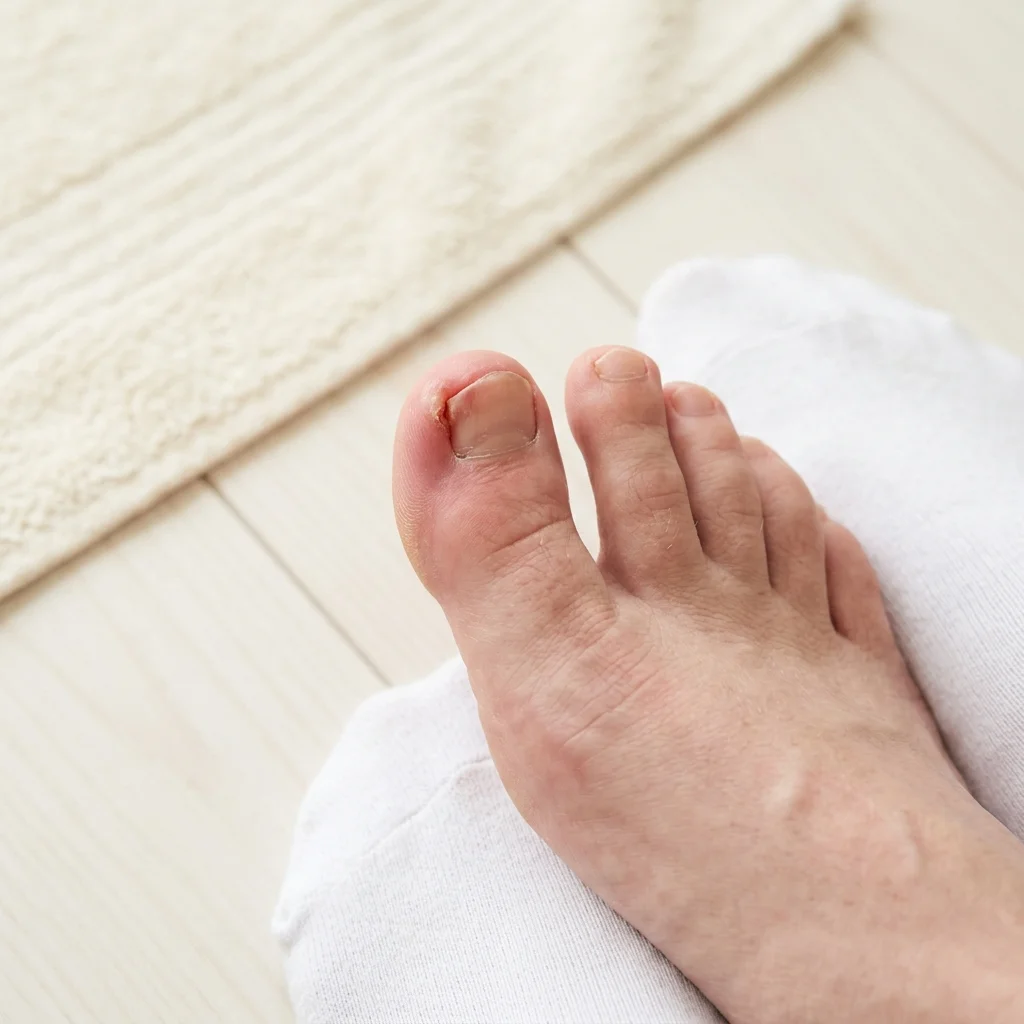
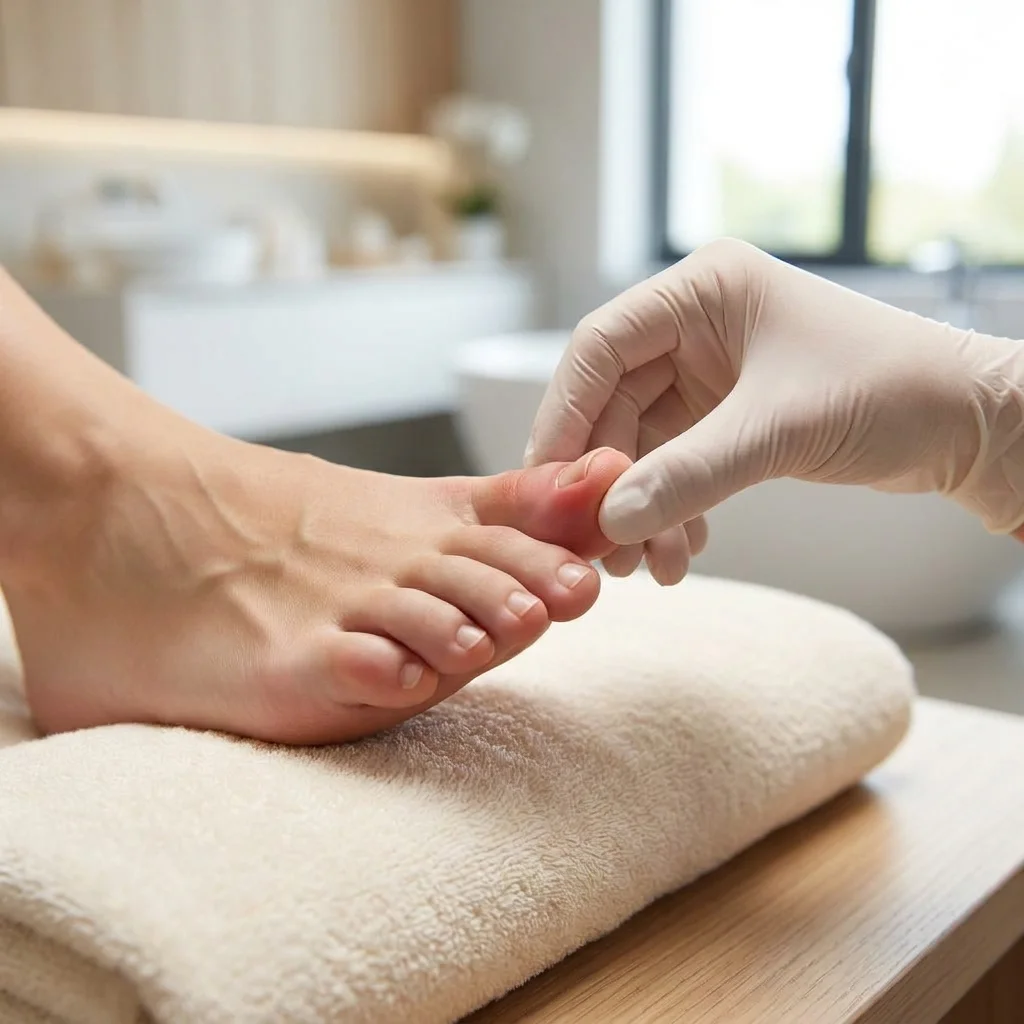
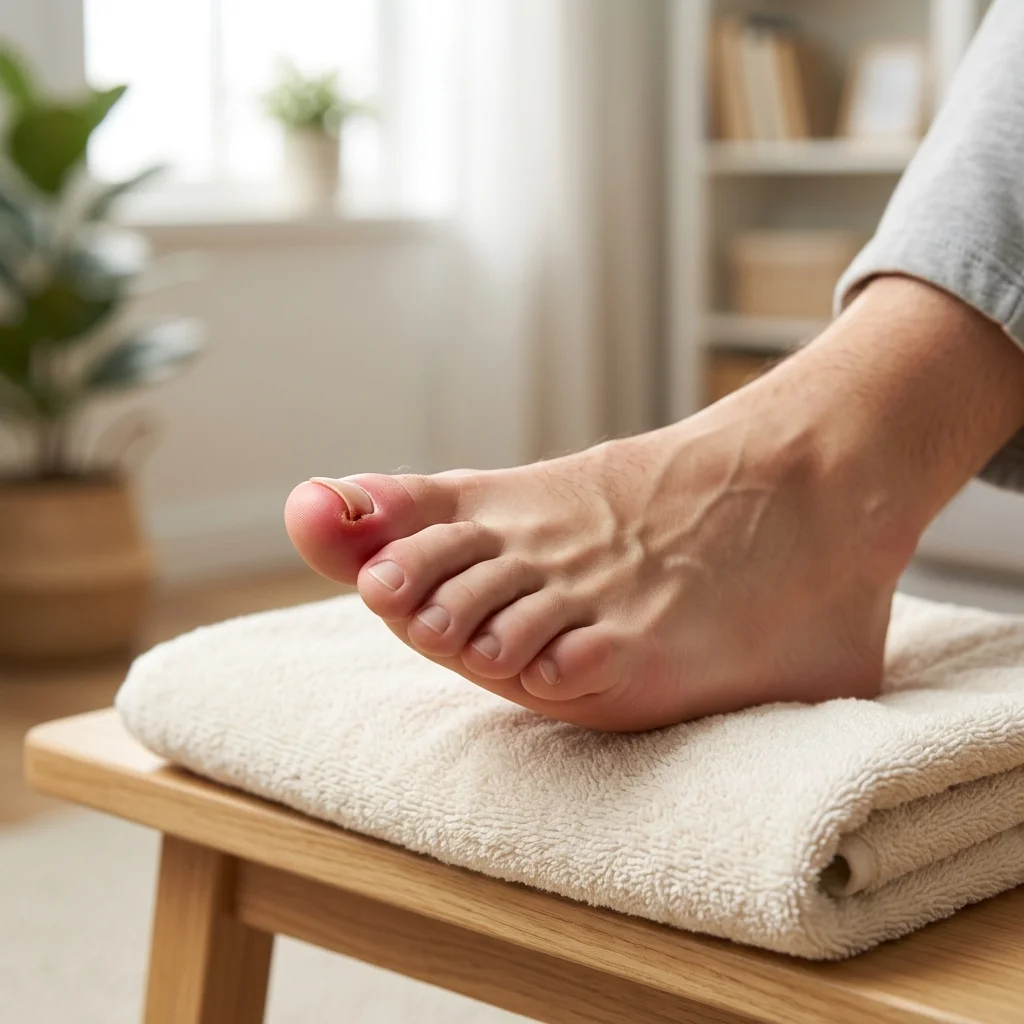
An ingrown toenail recurs when the edge or corner of the nail grows back into the surrounding skin fold after previous treatment. This is frustrating because you feel like the problem was fixed, only for it to return weeks or months later.
The reasons it keeps coming back are almost always structural or behavioural:
Nail shape and genetics. Some people are born with nails that naturally curve inward at the edges. No amount of careful cutting changes the underlying curvature. Each time the nail regrows after treatment, it follows the same curved path back into the skin.
Incorrect nail cutting. Cutting toenails too short, rounding the corners, or tearing the nail instead of cutting it cleanly leaves a sharp edge or spicule buried in the skin fold. This is the single most common cause of first-time ingrown toenails, and repeating the same technique guarantees recurrence.
Tight or narrow footwear. Shoes that compress the toes push the skin fold against the nail edge. Over time, the nail is forced into the skin with every step. A footwear assessment can identify whether your shoes are contributing to the problem.
Previous trauma. Stubbing your toe, dropping something on it, or repetitive impact from running can damage the nail matrix (the growth centre under the cuticle). A damaged matrix can produce nail that grows irregularly, thicker on one side, or with a curved edge that digs into the skin.
Sweating and moisture. Feet that are constantly warm and moist soften the skin around the nail, making it easier for the nail edge to penetrate. This is especially common in active people, teenagers, and anyone wearing closed shoes for long hours.
Previous incomplete treatment. If a previous podiatrist or GP trimmed the nail edge but did not remove the full spicule, the remaining fragment continues growing into the skin and causes a new episode within weeks.
“The most common thing we hear from patients with recurring ingrown toenails is ‘I had it fixed before but it came back.’ In most cases, the nail edge was trimmed but the root cause, the nail’s growth pattern or shape, was never addressed. That is why it returns.”
Conservative vs Surgical Treatment: When Each Is Right
Understanding the difference helps you make an informed decision about the right treatment path.
| Factor | Conservative Treatment | Nail Surgery (Partial Nail Avulsion) |
|---|---|---|
| What it involves | Careful trimming of the nail edge, removing the spicule, antiseptic dressing | Removing a narrow strip of nail under local anaesthetic, applying phenol to prevent regrowth |
| Anaesthetic | None required (may be uncomfortable) | Local anaesthetic injection to numb the toe completely |
| Recurrence risk | Moderate to high (nail grows back the same way) | Very low (phenol prevents the treated section from regrowing) |
| Recovery time | Immediate, no downtime | 2 to 4 weeks for full healing |
| Best for | First-time ingrown toenails, mild cases, patients wanting to try non-surgical options first | Recurring ingrown toenails (3+ episodes), severe or infected cases, cases unresponsive to conservative care |
| Number of visits | May need repeat visits as the nail regrows | Single procedure with follow-up dressing changes |
For first-time or mild ingrown toenails, conservative ingrown toenail treatment is usually the first step. If the problem returns, ingrown toenail surgery provides a permanent solution.
What Is Partial Nail Avulsion with Phenolisation?
This is the gold standard procedure for recurring ingrown toenails. It is performed in-clinic under local anaesthetic and takes approximately 30 to 45 minutes.
Step one: Anaesthetic. A local anaesthetic is injected at the base of the toe to numb it completely. You will feel no pain during the procedure.
Step two: Tourniquet. A small tourniquet is applied to control bleeding and allow clear visibility during the procedure.
Step three: Nail section removal. A narrow strip of nail along the affected edge (typically 2 to 3mm wide) is carefully separated from the nail bed and removed. The rest of the nail is left intact, so the cosmetic appearance remains normal.
Step four: Phenol application. A chemical called phenol is applied to the exposed nail matrix (growth centre) where the removed strip originated. Phenol cauterises the matrix cells, preventing that specific section of nail from ever regrowing.
Step five: Dressing. The toe is dressed with antiseptic and a protective bandage. You walk out of the clinic on the same day.
Success rate: Partial nail avulsion with phenolisation has a success rate above 95 percent for preventing recurrence when performed by an experienced podiatrist.
Recovery After Ingrown Toenail Surgery
Recovery is straightforward, but following the aftercare instructions is essential for proper healing.
- Day one: Keep the foot elevated as much as possible. Mild discomfort is normal and can be managed with over-the-counter paracetamol. Avoid ibuprofen for the first 24 hours as it can increase bleeding.
- Days two to five: Change the dressing daily as instructed. Clean the area with saline or as directed by your podiatrist. Wear open-toed shoes or loose footwear to avoid pressure on the toe.
- Week one to two: Most patients can return to normal activities within a few days. Avoid vigorous exercise, swimming pools, and tight shoes until the wound has fully closed.
- Week two to four: The nail bed heals completely. The remaining nail looks normal, and the narrow section that was removed is not cosmetically noticeable.
- Follow-up appointments: Your podiatrist will schedule dressing changes and check healing progress. At Sydney Foot Doctor, follow-up care is provided at whichever of the eight clinics is most convenient for you.
How to Prevent Ingrown Toenails from Recurring
Whether you have had conservative treatment or surgery, these habits reduce the chance of future problems:
- Cut nails straight across, not rounded at the corners. Leave a small amount of white nail visible at the edge. Do not tear or pick at the nail.
- Wear properly fitted shoes with enough room in the toe box. Avoid pointed-toe shoes, tight heels, and narrow sports shoes. A footwear assessment ensures your shoes are not contributing to the problem.
- Keep feet clean and dry. Change socks daily, use breathable footwear, and dry thoroughly between toes after showering.
- Do not dig into the corners. Resist the urge to “fix” a sore nail edge yourself at home with scissors, nail files, or pointed tools. This often makes things worse.
- Book a professional medical pedicure if you are unsure about cutting your own nails safely. SFD’s MediPedi service provides clinical-grade nail care in a sterile environment.
- Manage fungal infections. Fungal nail infections can thicken and distort the nail, increasing the risk of ingrown edges. If your nails are discoloured, thickened, or crumbly, get them assessed.
When to See a Podiatrist
Book an appointment if:
- Your ingrown toenail has come back after previous treatment
- The toe is red, swollen, warm, or producing discharge (signs of infection)
- You are diabetic or have poor circulation (ingrown toenails carry higher infection risk)
- The pain is affecting your walking, exercise, or daily activities
- You are unsure whether you need conservative treatment or surgery
Sydney Foot Doctor has eight clinics across Sydney, all located inside medical centres for convenient access. View all locations to find the clinic closest to you.