What Is a Plantar Wart?
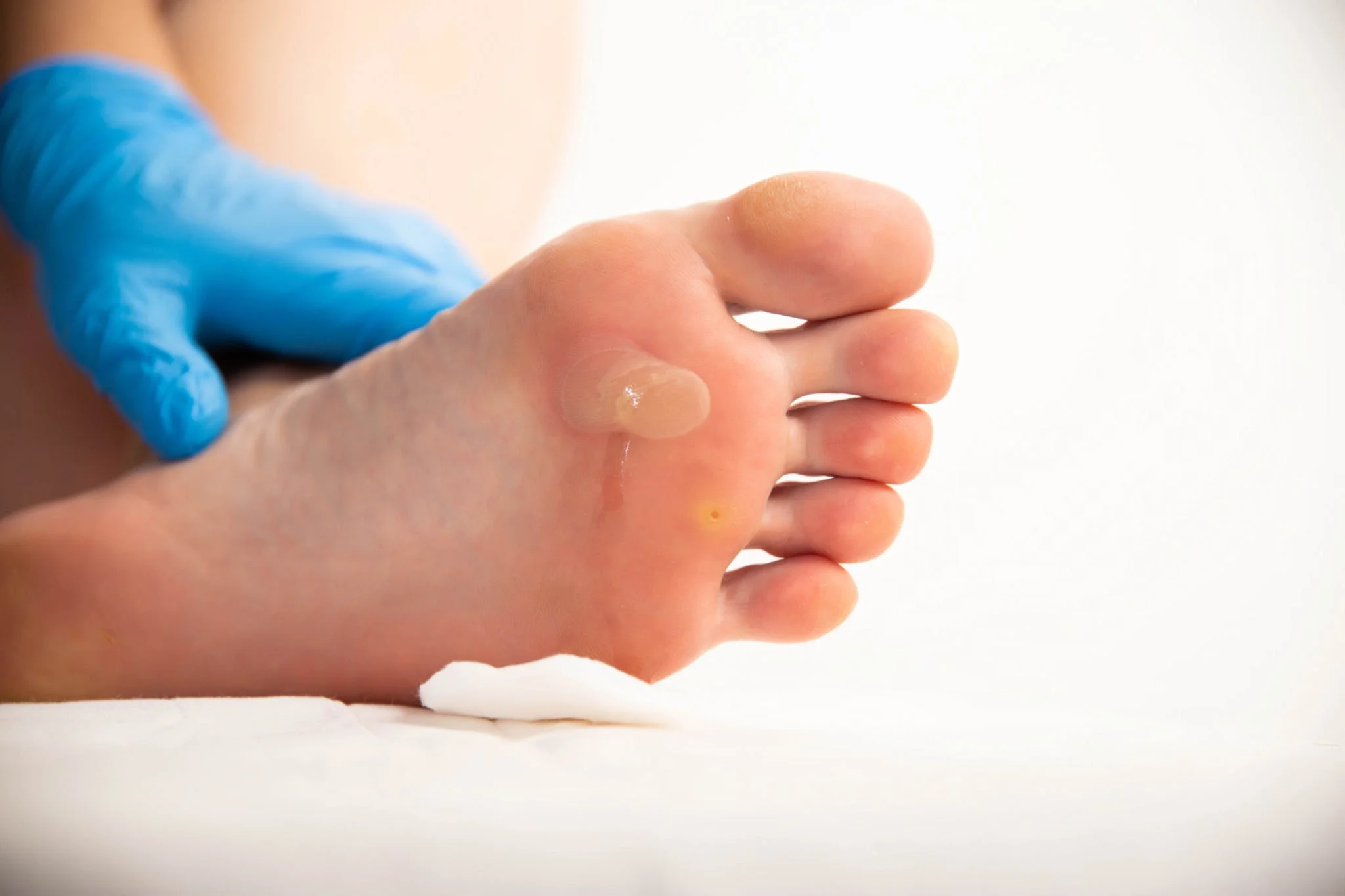
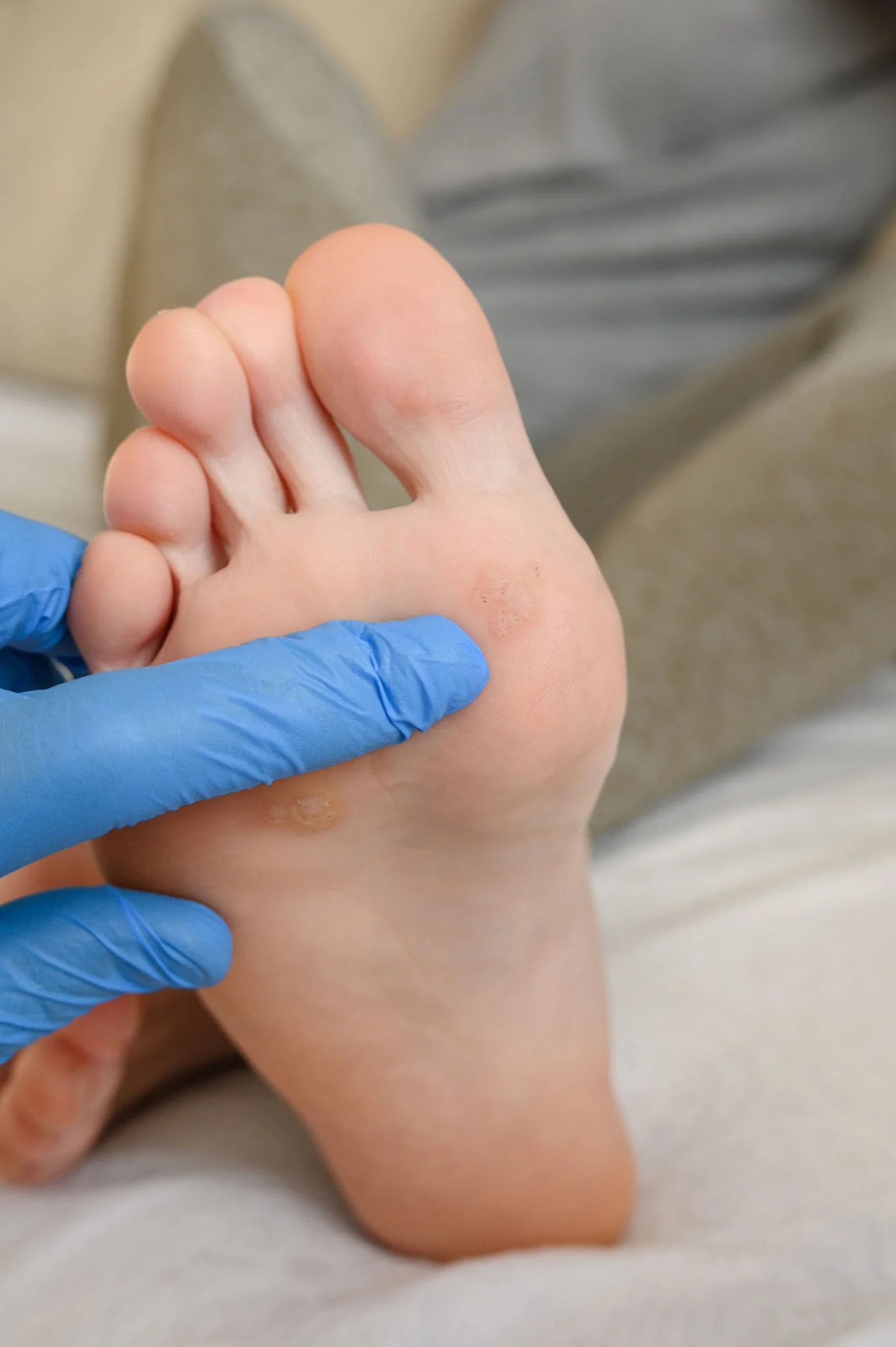
A plantar wart is a viral skin lesion caused by HPV that develops on the sole (plantar surface) of the foot. The virus enters through microscopic breaks in the skin, often in areas that bear weight during walking, and causes the skin cells to grow rapidly, forming a hard, grainy lump.
Plantar warts are different from warts on other parts of the body because of their location. The weight of your body pushes the wart inward as it grows, so instead of protruding outward like a wart on a hand, a plantar wart grows into the skin. This inward growth is what makes them painful, as walking effectively pushes the wart deeper with every step.
They are commonly mistaken for corns or calluses, but there are distinguishing features. A plantar wart disrupts the natural skin lines (dermatoglyphics) on the sole of the foot, whereas a corn or callus does not. Warts often have small black dots visible within them, which are tiny blood vessels (capillaries) that have grown into the wart tissue. And warts are typically painful when squeezed from the sides, whereas corns are painful with direct downward pressure.
If you are unsure whether you have a wart or a corn, a podiatric assessment provides a definitive diagnosis. For corn and callus-specific care, the medical pedicure (MediPedi) service provides safe, clinical-grade treatment.
Why Over-the-Counter Treatments Often Fail
Most people start with pharmacy products: salicylic acid patches, freeze sprays, or medicated plasters. While these work for some small, superficial warts, they fail on plantar warts more often than they succeed, for several reasons.
The skin on the sole of the foot is thick. The stratum corneum (outer skin layer) on the sole is significantly thicker than skin elsewhere on the body. Over-the-counter products are formulated for thinner skin and cannot penetrate deep enough to reach the wart’s root on the sole.
Plantar warts grow inward. Because body weight pushes the wart deeper into the dermis, the viral tissue extends further below the surface than the medication can reach. You may remove the surface layer but the root survives and the wart regrows.
Inconsistent application. Effective wart treatment requires sustained, consistent application over weeks. Most people apply the product sporadically, miss days, or stop too early when the wart appears to improve but has not been fully eliminated.
Misidentification. Many people treat corns or calluses thinking they are warts, wasting weeks on the wrong treatment. Alternatively, they treat a wart with corn plasters, which are medicated with acids that can damage the surrounding healthy skin without effectively targeting the viral tissue.
“The average patient who comes to us for plantar wart removal has already spent three to six months trying pharmacy products. They are frustrated because the wart keeps coming back. The issue is not a lack of effort. It is that over-the-counter products are simply not strong enough for plantar warts on thick sole skin.”
Professional Plantar Wart Removal Methods
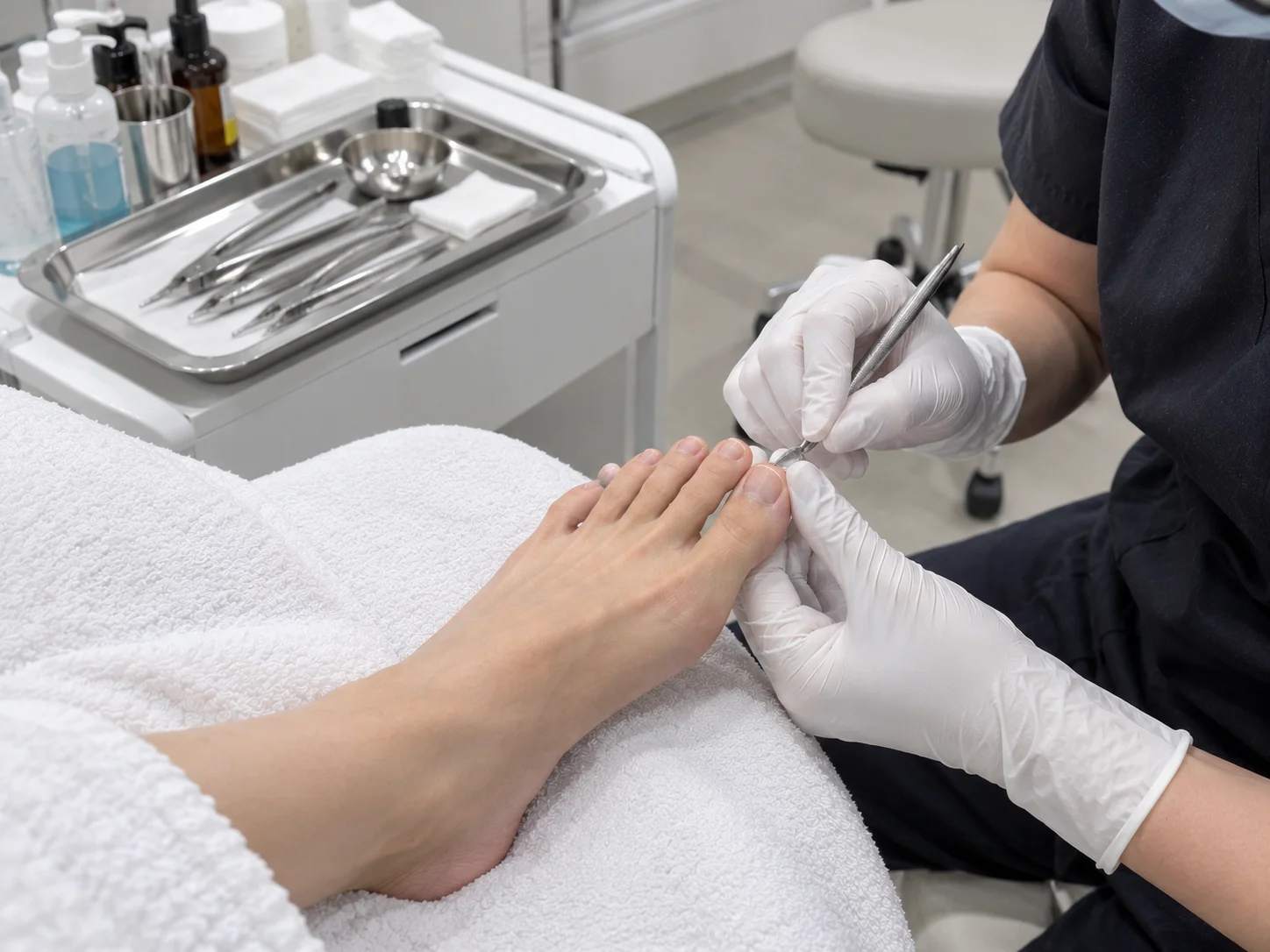
Professional podiatric wart removal uses stronger, more targeted techniques that address the wart at its root. The method chosen depends on the wart’s size, location, number of lesions, and how long it has been present.
| Treatment | How It Works | Sessions Needed | Best For |
|---|---|---|---|
| Needling (Falknor’s) | A sterile needle punctures the wart tissue under local anaesthetic, pushing viral cells into the deeper dermis where the immune system can recognise and attack them | Usually one session | Stubborn, long-standing warts that have resisted other treatments |
| Cryotherapy | Liquid nitrogen freezes the wart tissue, destroying the cells and triggering an immune response | 2 to 6 sessions, spaced 2 to 3 weeks apart | Small to medium warts, children (no anaesthetic needed) |
| Silver nitrate | A caustic chemical is applied to burn the wart tissue layer by layer over multiple sessions | 3 to 8 sessions, weekly | Multiple small warts, mosaic warts |
| Multi-acid therapy | Concentrated acid compounds (stronger than pharmacy products) are applied professionally and covered with occlusive dressing | 4 to 8 sessions, weekly or fortnightly | Moderate warts, patients wanting a non-invasive approach |
| Debridement and topical | The podiatrist pares down the overlying callus then applies professional-strength topical treatment | Multiple sessions | Initial treatment for warts covered by thick callus |
Needling: The Most Effective Treatment for Stubborn Warts
Falknor’s needling is increasingly recognised as the most effective single-session treatment for stubborn plantar warts that have not responded to other methods.
The procedure is performed under local anaesthetic so you feel no pain during treatment. Once the toe or forefoot is numb, a sterile needle is used to repeatedly puncture through the wart tissue, pushing viral particles from the superficial skin layers into the deeper dermis where the body’s immune system is more active.
The theory behind needling is elegant. Plantar warts persist partly because the virus hides in the upper skin layers where the immune system has limited surveillance. The thick callus covering the wart acts as a barrier, further shielding the virus from immune detection. By physically pushing viral cells into the deeper, more vascularised tissue, the immune system finally recognises the HPV infection and mounts a response against it.
This immune response does not just target the treated wart. Because the immune system now recognises the virus, it can also clear other warts on the same foot or even the other foot. This makes needling particularly effective for patients with multiple or mosaic warts.
Recovery involves mild soreness at the treatment site for a few days, manageable with paracetamol. A small dressing is applied and normal walking is possible immediately. The wart gradually resolves over the following six to twelve weeks as the immune response takes effect.
Plantar Warts in Children
Children and teenagers are the most commonly affected age group for plantar warts because their immune systems have not yet developed full resistance to HPV, and they frequently walk barefoot in high-risk environments like swimming pools, changing rooms, and gymnastics studios.
Treatment in children requires a gentle, age-appropriate approach. Cryotherapy and topical acid treatments are the most commonly used methods for younger patients because they do not require local anaesthetic injections. Needling may be considered for older teenagers with stubborn warts who are comfortable with anaesthetic.
Sydney Foot Doctor’s children’s podiatry service treats plantar warts in younger patients with techniques adapted for their comfort level and pain tolerance. Building a positive clinical experience is important so children are not afraid to return for follow-up sessions.
For other common children’s foot conditions, read about children’s foot and leg pain and children’s orthotics.
How to Prevent Plantar Warts
Prevention focuses on avoiding HPV exposure and maintaining healthy skin on the feet.
Wear pool shoes in public wet areas such as swimming pool decks, communal showers, changing rooms, and gym floors. These are the highest-risk environments for picking up the virus.
Keep feet clean and dry. HPV thrives in warm, moist environments. Dry feet thoroughly after swimming or showering, especially between the toes.
Do not touch or pick at existing warts. Touching a wart and then touching another part of your foot can spread the virus. If you are treating a wart at home, wash your hands immediately after applying any product.
Do not share towels, socks, or shoes with someone who has warts. The virus can transfer via contaminated surfaces and fabrics.
Keep skin on the soles healthy and intact. Cracked, dry skin provides entry points for HPV. Regular moisturising and professional foot care reduces this risk.
If you have diabetes, be especially cautious with any foot skin issue. A diabetic foot assessment ensures any lesions are identified and managed safely.
When to See a Podiatrist for a Plantar Wart
Book an appointment if the wart has been present for more than a few weeks and is not responding to pharmacy treatments. If the wart is painful during walking or exercise, professional treatment can provide faster relief than continued DIY attempts. If you have multiple warts or the wart appears to be spreading, professional intervention can stop the spread before it becomes more difficult to treat. If you are diabetic or have a compromised immune system, never treat warts yourself because the risk of infection and poor healing is significantly higher. If you are unsure whether the lesion is a wart, corn, or something else, a professional assessment provides a definitive diagnosis.
Sydney Foot Doctor treats plantar warts across eight Sydney clinics, all located inside medical centres for convenient access.