Quick Overview
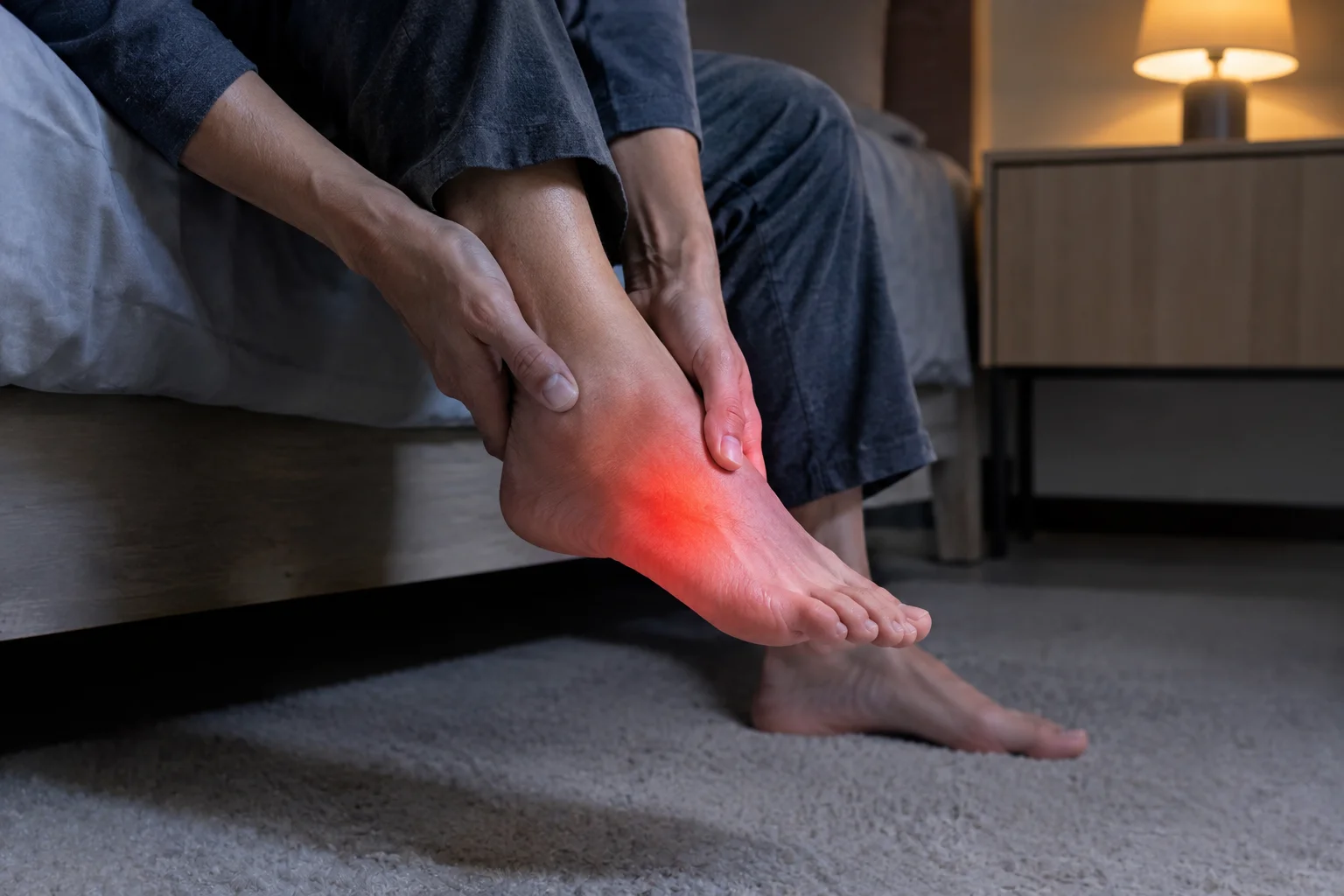
Foot burning at night is a symptom with several possible causes, and the cause determines the treatment. The most common cause is peripheral neuropathy (nerve damage), particularly diabetic peripheral neuropathy, which produces a burning, tingling, or pins-and-needles sensation in the feet that worsens at night when the body is at rest and sensory input from daytime activity is no longer masking the nerve signals. Other causes include tarsal tunnel syndrome (compression of the tibial nerve at the ankle), Morton’s neuroma (nerve thickening between the metatarsal heads), peripheral arterial disease (reduced blood flow to the feet), erythromelalgia (a rare vascular condition causing burning and redness), vitamin deficiencies (B12, B6, folate), alcohol-related neuropathy, and mechanical overload from prolonged standing or activity during the day that manifests as burning at rest.
At Sydney Foot Doctor, identifying the cause of foot burning is a core component of our general podiatry and diabetic foot care services across all eight Sydney clinics, because effective treatment depends entirely on accurate diagnosis.
Why Burning Gets Worse at Night
The burning sensation in the feet is often present during the day as well, but many people only become fully aware of it at night. Several factors explain why.
Reduced sensory competition. During the day, your brain processes thousands of sensory inputs: visual, auditory, tactile, and proprioceptive. These inputs compete with the nerve signals from the feet. At night, when you lie still in a quiet, dark room, the competing inputs are removed. The nerve signals from the feet become the dominant sensation, and burning that was barely noticeable during a busy day becomes intense and hard to ignore.
Blood flow redistribution. When you stand and walk during the day, gravity keeps blood in the lower extremities and the muscles actively pump blood through the veins. When you lie down, blood redistributes and the vascular dynamics in the feet change. For conditions involving nerve damage or vascular insufficiency, this shift in blood flow can increase the burning sensation.
Nerve signal amplification. Damaged nerves (neuropathy) produce abnormal signals: burning, tingling, numbness, or electric shock sensations. These signals are continuous but are partially suppressed by the brain during active waking hours. At rest, the brain’s suppression mechanisms relax, and the abnormal nerve signals are perceived more intensely.
Temperature changes. Feet warm up under bedding. For some conditions (particularly erythromelalgia and certain types of neuropathy), warmth intensifies the burning sensation. Conversely, cooling the feet provides temporary relief for some patients.
The Most Common Causes
The cause of the burning determines the treatment. Each condition produces a slightly different pattern.
| Condition | Burning Pattern | Other Symptoms | Who Is at Risk |
|---|---|---|---|
| Diabetic peripheral neuropathy | Burning, tingling, or pins-and-needles in both feet symmetrically, starting at the toes and progressing upward (stocking distribution) | Numbness, reduced sensation to touch and temperature, balance problems, difficulty feeling the ground | People with diabetes (type 1 and type 2), particularly those with poorly controlled blood sugar over time |
| Idiopathic peripheral neuropathy | Same pattern as diabetic neuropathy but no diabetes diagnosis | Same as above. Nerve conduction studies may be needed to confirm. | Adults over 50, people with a family history of neuropathy, no identifiable cause in some cases |
| Tarsal tunnel syndrome | Burning and tingling on the inner ankle and sole of the foot, often worse at night or after prolonged standing | Shooting pain from the inner ankle into the arch or toes, numbness on the sole | Runners, people with flat feet (overpronation compresses the nerve), people with ankle injuries |
| Morton’s neuroma | Burning between the third and fourth toes (sometimes second and third), often described as standing on a hot pebble | Sharp, shooting pain when walking, numbness between the affected toes, relief when removing shoes | Women (narrow, pointed footwear increases risk), runners, people with high arches or bunions |
| Peripheral arterial disease (PAD) | Burning or cramping in the feet and calves, worse at rest (particularly at night when legs are elevated) | Cold feet, pale or bluish skin, slow-healing wounds, reduced or absent foot pulses, pain relieved by dangling feet over the bed edge | Smokers, people with diabetes, people with high cholesterol, adults over 60 |
| Erythromelalgia | Intense burning with visible redness and warmth in the feet, triggered by warmth or exercise, worse at night under bedding | Red, hot, swollen feet during episodes, relief from cooling (cold water, fans) | Rare. Can occur at any age. Sometimes associated with blood disorders. |
| Vitamin B12 deficiency | Burning and tingling in both feet, progressing to numbness | Fatigue, weakness, memory problems, balance difficulties | Vegans and vegetarians (B12 is primarily in animal products), older adults with absorption issues, people on certain medications (metformin, proton pump inhibitors) |
| Alcohol-related neuropathy | Burning and tingling in both feet, similar pattern to diabetic neuropathy | Muscle weakness, balance problems, painful sensitivity to touch | People with chronic heavy alcohol consumption |
| Mechanical overload (activity-related) | Burning on the soles, particularly the ball of the foot (forefoot), after prolonged standing or activity during the day | Aching, tiredness, and heat in the feet at the end of the day. Resolves with rest and does not worsen progressively. | People who stand for long hours (nurses, teachers, hospitality, retail), runners after long sessions |
How a Podiatrist Diagnoses the Cause
A podiatrist at Sydney Foot Doctor uses a structured assessment process to identify which of these causes is responsible for your burning feet.
History. When did the burning start? Is it in both feet or one? Does it affect the toes, the sole, the arch, or the whole foot? Is it constant or episodic? Does anything make it better (cooling, elevating, dangling over the bed edge) or worse (warmth, standing, wearing shoes)? Is there any numbness, tingling, or colour change? What is your medical history (diabetes, vascular disease, alcohol use, medications, diet)?
Neurological assessment. Sensation testing (light touch, pinprick, vibration, temperature) identifies whether nerve function is reduced and where. Reflexes are tested. The distribution of sensory changes (toes only, stocking pattern, one foot, both feet) narrows the diagnosis.
Vascular assessment. Foot pulses are checked. Skin colour, temperature, and capillary refill time are assessed. If peripheral arterial disease is suspected, referral for vascular studies (Doppler ultrasound) is recommended.
Biomechanical assessment. If mechanical overload is suspected (burning after prolonged standing or activity, forefoot burning, no neurological signs), the foot’s structure, gait, and loading pattern are assessed. Custom orthotics or a footwear assessment may be recommended to redistribute pressure and reduce forefoot overload.
Referral for further investigation. If the assessment suggests diabetic neuropathy, vitamin deficiency, or vascular disease, your podiatrist refers to the appropriate specialist (GP for blood tests, endocrinologist for diabetes management, vascular surgeon for PAD). The podiatrist manages the foot-level symptoms and prevention strategy while the underlying condition is addressed by the referring practitioner.
“The most important diagnostic question for burning feet at night is symmetry. If both feet burn in the same pattern (toes first, spreading upward), the cause is almost certainly systemic: neuropathy, a vitamin deficiency, or a vascular condition. If only one foot burns, or the burning is localised to a specific spot, the cause is more likely mechanical or a localised nerve compression. That distinction guides the entire investigation.”
When Burning Feet Are a Warning Sign
Burning feet at night are not always a serious medical concern (mechanical overload from a long day on your feet resolves with rest and is not dangerous), but certain patterns indicate conditions that need prompt attention.
Burning with progressive numbness. If the burning is accompanied by numbness that is spreading (from the toes upward, or from one area to a larger area over weeks or months), this suggests progressive nerve damage. The sooner the cause is identified and managed, the better the outcome. Nerve damage that is caught early can often be slowed or stabilised. Nerve damage that is ignored progresses.
Burning in a person with diabetes. Diabetic peripheral neuropathy is the most common cause of burning feet and has serious implications beyond discomfort. Reduced sensation in the feet means injuries, pressure sores, and infections may not be felt, leading to diabetic foot ulcers that can have severe consequences. Regular podiatric assessment of sensation, circulation, and skin integrity is essential for every person with diabetes.
Burning with skin colour changes. If the burning is accompanied by pale, bluish, or reddened skin, this suggests a vascular cause (peripheral arterial disease or erythromelalgia). Vascular conditions affecting the feet require medical assessment and management.
Burning with muscle weakness. If the burning is accompanied by weakness in the feet or legs, difficulty lifting the front of the foot (foot drop), or balance problems, this suggests significant nerve involvement that needs neurological assessment.
Burning that disrupts sleep consistently. Any burning sensation that regularly prevents you from falling asleep or wakes you from sleep is affecting your quality of life and warrants professional assessment regardless of the suspected cause.
Treatment Options by Cause
Treatment depends entirely on the diagnosis. There is no single treatment for “burning feet” because the symptom has multiple possible causes.
| Cause | Treatment Approach | What the Podiatrist Does |
|---|---|---|
| Diabetic peripheral neuropathy | Blood sugar management (GP/endocrinologist), nerve pain medication, foot protection strategy, regular monitoring | Neurological assessment at each visit, diabetic foot care plan, footwear guidance, sensation monitoring to prevent ulceration, medical pedicure for safe ongoing foot maintenance |
| Tarsal tunnel syndrome | Offloading the compressed nerve, reducing inflammation, addressing biomechanical cause | Custom orthotics to control pronation and reduce nerve compression, footwear assessment for supportive shoes, laser therapy for inflammation, referral for imaging or surgical opinion if conservative management does not resolve |
| Morton’s neuroma | Reducing pressure on the affected nerve, offloading the metatarsal heads, footwear modification | Custom orthotics with metatarsal dome to spread the metatarsal heads and reduce nerve compression, footwear assessment (wider toe box), shockwave therapy or laser therapy for pain relief, referral for cortisone injection or surgery if conservative management fails |
| Peripheral arterial disease | Medical management of vascular disease (GP/vascular surgeon), smoking cessation, exercise program | Vascular assessment (foot pulses, skin condition), wound monitoring if skin integrity is compromised, footwear assessment for protective shoes, referral to vascular specialist |
| Vitamin B12 deficiency | B12 supplementation (GP), dietary modification | Neurological assessment to document baseline sensation, monitoring of improvement with supplementation, foot care during recovery period |
| Mechanical overload | Reducing prolonged standing load, improving footwear, redistributing pressure | Custom orthotics or sports insoles to redistribute pressure, footwear assessment for supportive shoes, activity modification advice, stretching and strengthening program for the foot and lower leg |
What You Can Do at Home Before Your Appointment
While waiting for your podiatric assessment, these measures may provide temporary relief. They do not replace professional diagnosis and treatment.
Cool the feet. If warmth worsens the burning, remove the feet from under bedding and let them cool. A fan directed at the feet can help. Avoid ice directly on the skin.
Elevate or dangle. Some causes improve with elevation (mechanical overload). Others improve with dangling the feet over the bed edge (PAD, where gravity improves blood flow to the feet). Try both and note which helps, as this is useful diagnostic information for your podiatrist.
Avoid alcohol before bed. Alcohol worsens neuropathic symptoms and disrupts sleep quality.
Check your footwear. Tight, narrow, or flat shoes worn during the day may be contributing to nerve compression or mechanical overload that manifests as burning at night. Bring your most-worn shoes to your podiatry appointment for a footwear assessment.
Keep a symptom diary. Note when the burning occurs, how long it lasts, what makes it better or worse, whether it is in one foot or both, and any other symptoms (numbness, tingling, colour changes, weakness). This information significantly speeds up the diagnostic process at your appointment.
Foot Burning at Night: What Is Causing It?
The most common causes, what each burning pattern means, when to seek assessment, and what your podiatrist checks.
Why Burning Gets Worse at Night
Reduced Sensory Competition
Daytime distractions mask the nerve signals. At night, the burning becomes the dominant sensation your brain processes.
Blood Flow Changes
Lying down redistributes blood flow. Vascular dynamics shift in the feet, intensifying symptoms in some conditions.
Nerve Signal Amplification
At rest, the brain's suppression mechanisms relax. Damaged nerve signals are perceived more intensely.
Warmth Under Bedding
Feet warm up under covers. Warmth intensifies burning in neuropathy and vascular conditions. Cooling provides relief.
Most Common Causes
Diabetic Neuropathy
Both feet, toes first, stocking pattern. Burning, tingling, numbness. Progressive. Most common cause.
#1 CAUSE
Tarsal Tunnel Syndrome
Inner ankle and sole burning. Nerve compression at the ankle. Often worse after standing. One foot common.
Morton's Neuroma
Burning between the third and fourth toes. Feels like standing on a hot pebble. Relief when shoes are removed.
Peripheral Arterial Disease
Burning and cramping. Cold feet, pale skin. Worse at rest. Relief from dangling feet over the bed edge.
Erythromelalgia
Intense burning with visible redness and warmth. Triggered by heat. Relief from cooling. Rare.
Vitamin B12 Deficiency
Both feet, tingling and burning. Fatigue, weakness, memory issues. Vegans, older adults at higher risk.
Alcohol-Related Neuropathy
Both feet, similar to diabetic neuropathy. Muscle weakness, balance problems. Chronic heavy use.
Mechanical Overload
Forefoot burning after prolonged standing or activity. Resolves with rest. Not progressive. Least serious.
MOST COMMON BENIGN CAUSE
The Key Diagnostic Question: Symmetry
Both Feet, Same Pattern
Symmetrical burning suggests a systemic cause: neuropathy, vitamin deficiency, vascular disease, or alcohol-related nerve damage.
SYSTEMIC CAUSE LIKELY
One Foot or Localised
Unilateral or localised burning suggests a mechanical or nerve compression cause: tarsal tunnel, Morton's neuroma, or overload.
LOCAL CAUSE LIKELY
When to Seek Assessment
Burning + Numbness
Progressive numbness suggests nerve damage that needs identifying and managing early.
Diabetes Present
Diabetic neuropathy needs regular monitoring to prevent ulceration and serious complications.
Colour Changes
Pale, blue, or red skin with burning suggests a vascular cause requiring medical assessment.
Muscle Weakness
Weakness with burning suggests significant nerve involvement needing neurological assessment.
Disrupts Sleep
Any burning that regularly prevents sleep warrants assessment regardless of suspected cause.
💡 The Key Takeaway
Foot burning at night is not normal and is not something to simply tolerate. It is a symptom with an identifiable cause. The specific pattern (one foot or both, toes or sole, constant or episodic, with or without numbness and colour changes) narrows the diagnosis, and a podiatrist is trained to differentiate between the nerve, vascular, and mechanical causes. The sooner the cause is identified, the more effectively it can be managed.
sydneyfootdoctor.com.au | Sydney Foot Doctor | 8 Clinics Across Sydney