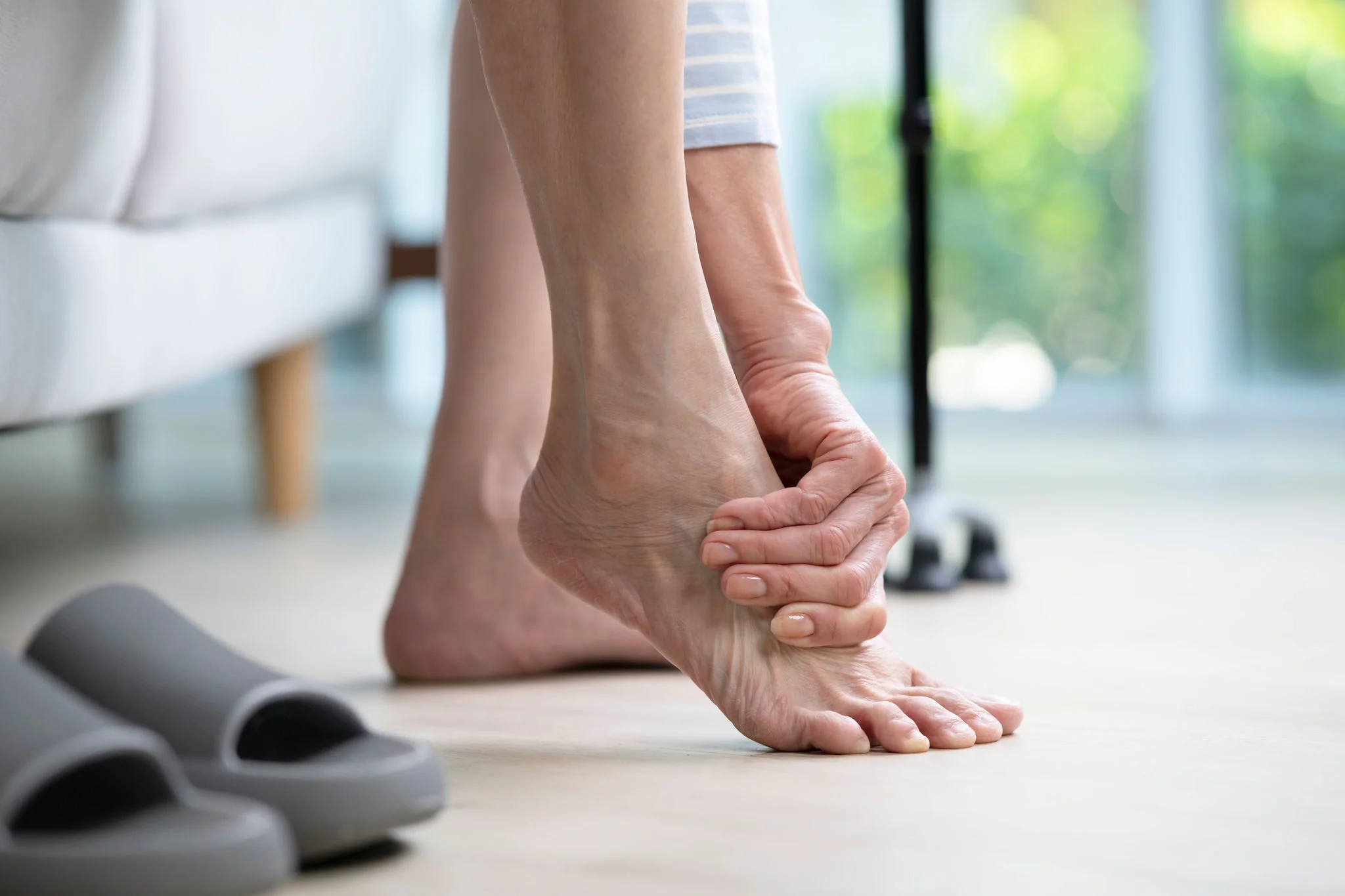
Common Causes of Foot Pain When Walking
Plantar fasciitis and heel pain. This is one of the most frequent causes of foot pain, particularly a sharp, stabbing pain felt with the first steps in the morning or after sitting for a while. It happens when the band of tissue running along the bottom of the foot, from the heel to the toes, becomes inflamed or irritated, often from overuse, unsupportive footwear or changes in activity level.
Bunions. A bunion is a bony bump that forms at the base of the big toe, gradually pushing it toward the other toes. As it develops, walking can become increasingly uncomfortable, especially in narrow or tight fitting shoes, since the joint itself becomes inflamed and pressure sensitive with each step.
Flat feet and overpronation. When the arch of the foot flattens more than it should during walking, the foot rolls inward excessively. Over time, this places extra strain on the muscles, tendons and joints of the foot and can lead to pain that spreads through the arch, heel or even up into the ankle and lower leg.
Arthritis. Both osteoarthritis and inflammatory forms of arthritis can affect the many small joints of the foot, leading to stiffness, swelling and pain that often feels worse with walking or standing for extended periods.
Morton’s neuroma and nerve related pain. This involves a thickening of tissue around a nerve, most commonly between the third and fourth toes, and typically causes a burning, tingling or numb sensation, sometimes described as feeling like there is a pebble in the shoe.
Stress fractures. Small cracks in the bones of the foot, often caused by repetitive impact or a sudden increase in activity, can cause pain that builds gradually and worsens the more weight is placed through the foot.
Poor footwear choices. Shoes that lack proper support, cushioning or the right fit are a surprisingly common contributor to foot pain. Even a well conditioned foot can start to hurt when it is not being supported the way it needs to be during daily walking.
When Foot Pain Needs Professional Attention
Occasional mild discomfort after a long day on your feet is normal, but certain signs suggest it is time to book an appointment rather than wait it out. These include pain that persists for more than a few days, pain that gets progressively worse, swelling that does not settle, pain that changes the way you walk, or any numbness, tingling or burning sensation. Foot pain that is affecting your daily activities, exercise or sleep is also a clear signal that it is worth having properly assessed.
How a Podiatrist Diagnoses the Cause
A thorough assessment usually starts with a discussion of your symptoms, activity levels and footwear habits, followed by a physical examination of the foot and how it moves. This often includes a gait analysis, watching how you walk and stand, to identify any imbalances or movement patterns contributing to the pain. In some cases, imaging may be recommended to get a clearer picture of what is happening beneath the surface, particularly if a stress fracture or joint related issue is suspected.
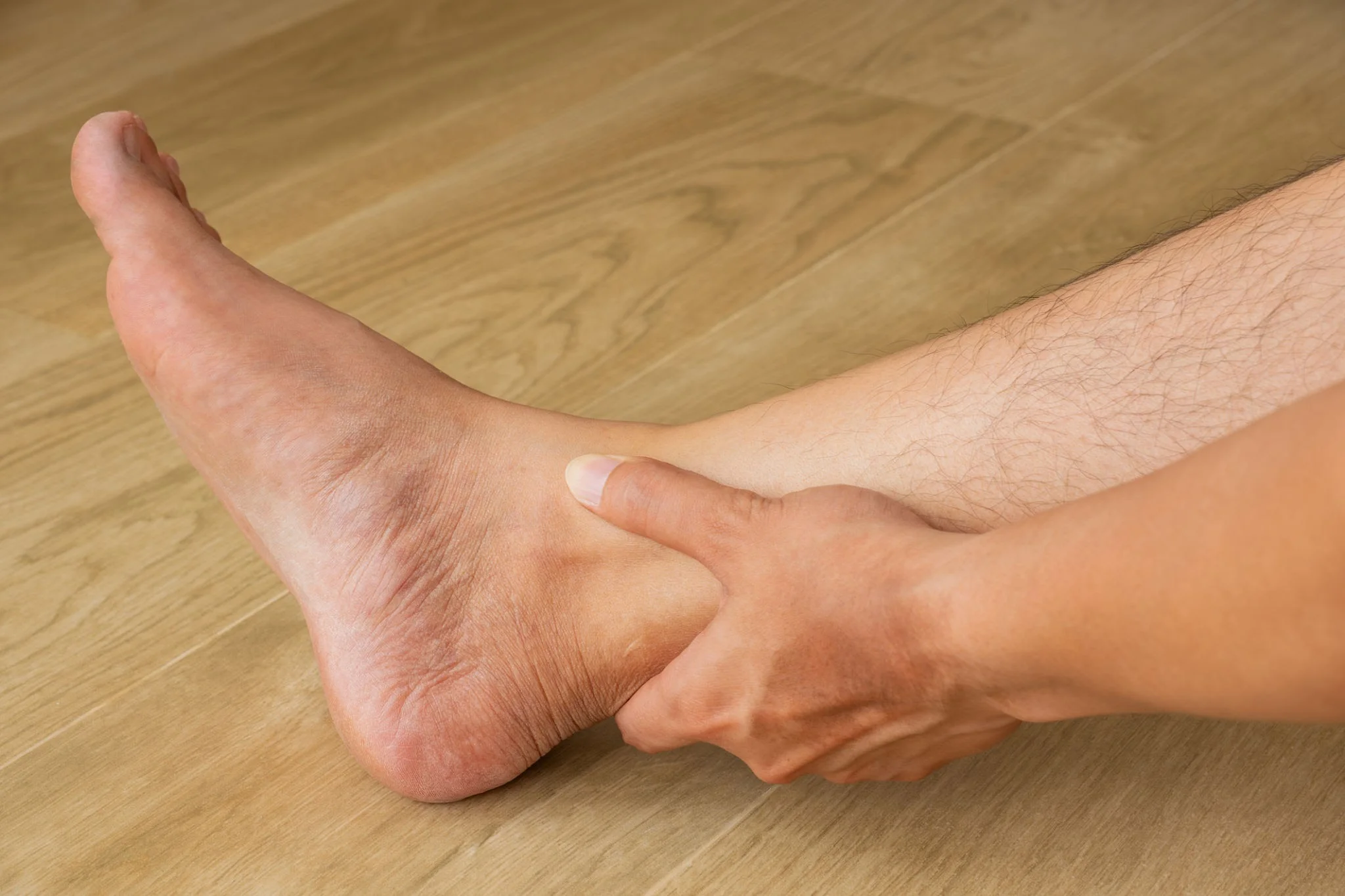
Treatment Options for Foot Pain When Walking
Treatment is always tailored to the underlying cause, since what works for plantar fasciitis will differ significantly from what helps with a bunion or nerve related pain. Common approaches include custom orthotics designed to correct alignment and redistribute pressure more evenly across the foot, footwear advice to ensure your day to day shoes are genuinely supporting your feet, targeted stretching and strengthening exercises to address muscle imbalances, and in some cases, padding, taping or other supportive techniques to relieve pressure on a specific area while it heals. For most people, a combination of these approaches, guided by a proper assessment, brings noticeably better and longer lasting results than trying to self treat.
Tips to Manage Foot Pain in the Meantime
While waiting for your appointment, resting from high impact activity, applying ice to reduce inflammation, and wearing supportive, well fitted shoes can all help take some pressure off a painful foot. Avoid walking barefoot on hard surfaces where possible, and pay attention to whether certain shoes or activities make the pain noticeably worse, since this information is genuinely useful for your podiatrist during your consultation.
Preventing Foot Pain from Returning
Once your pain has been properly addressed, a few simple habits go a long way toward keeping it from coming back. Choosing supportive footwear for both everyday wear and exercise, gradually building up activity levels rather than doing too much too soon, and maintaining healthy foot and ankle strength through regular stretching all contribute to longer term foot health.