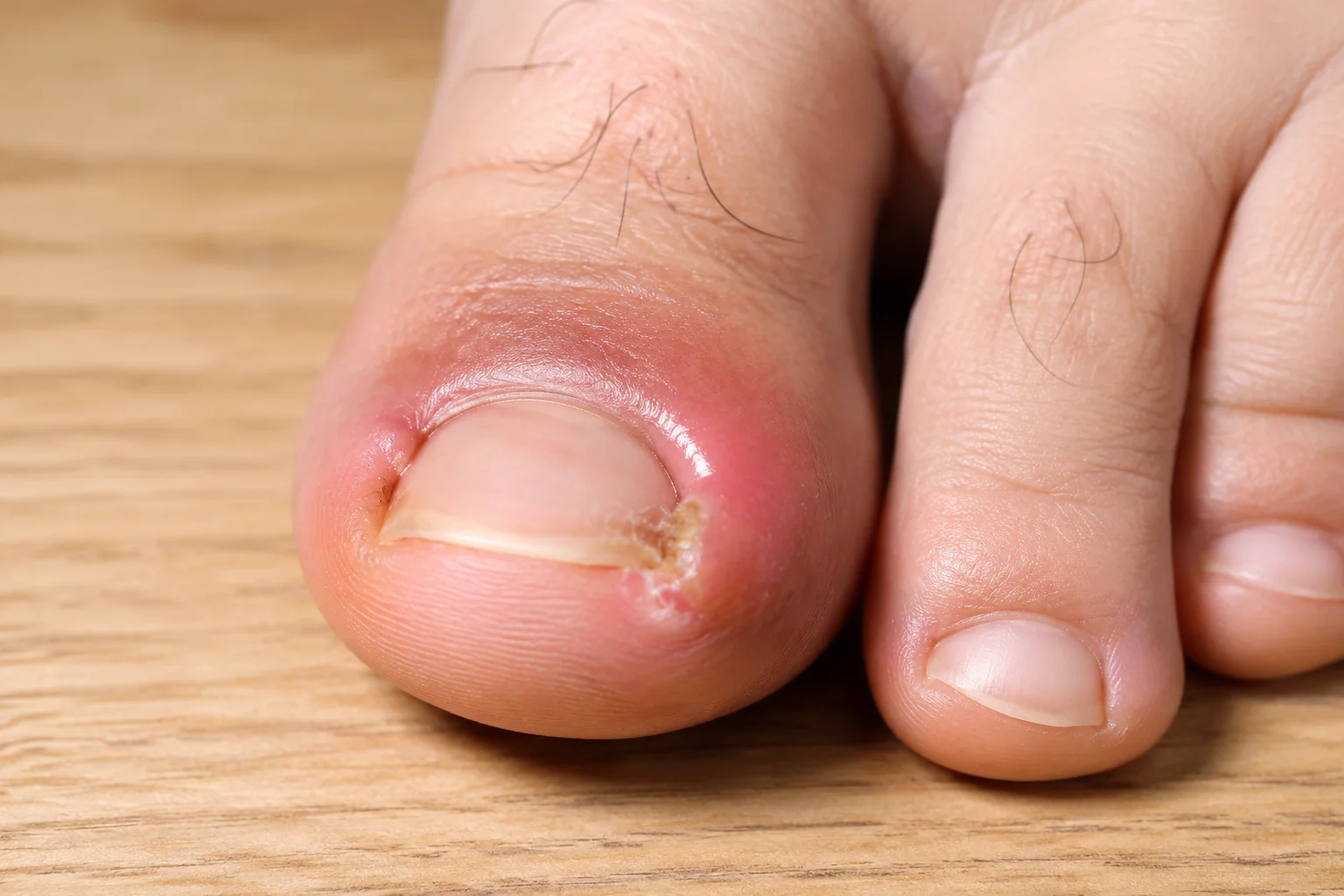
Fungal Nail Infection: Catch It Early and Treat It Fast

Early signs of fungal nail infection

Quick Overview

  • Fungal nail infections often start small and are easy to miss in the early stages
  • Common early signs include white or yellow spots, thickening, and changes in nail texture
  • Left untreated, fungal infections spread and become harder to clear
  • Early treatment is faster, simpler, and more effective than treating an advanced infection
  • Sydney Foot Doctor offers fungal nail treatment, including laser therapy, across 8 Sydney clinics

Fungal nail infections are one of the most common foot conditions podiatrists see, yet most people do not notice them until the infection has already taken hold. A small discolouration or a slightly thicker nail is often dismissed as nothing serious, but these subtle changes are usually the first signs of a fungal infection developing beneath the nail.

The good news is that fungal nail infections are far easier to treat when caught early. This guide explains what to look for, why early action matters, and what treatment options are available at Sydney Foot Doctor.
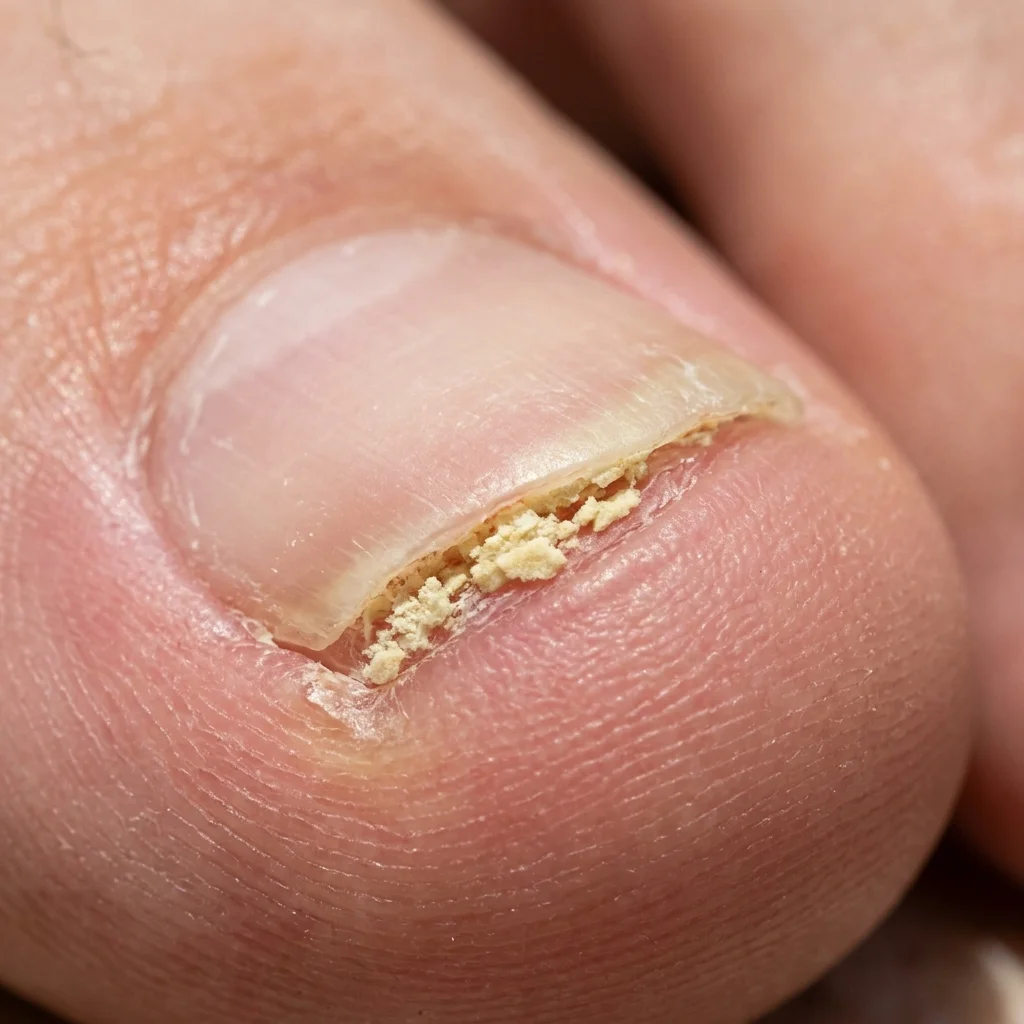
Early signs of fungal nail infection image


What Is a Fungal Nail Infection?

A fungal nail infection, also known as onychomycosis, occurs when fungi infect the nail bed or nail plate. Fungi thrive in warm, moist environments, which makes feet, particularly inside closed shoes and socks, an ideal breeding ground. The infection usually begins at the edge or tip of the nail and gradually spreads if not treated.

Toenails are affected far more often than fingernails, largely due to reduced circulation to the feet, more frequent minor trauma to toenails, and the warm, enclosed environment of footwear.

7 Early Signs of a Fungal Nail Infection

1. White or Yellow Spots Under the Nail

One of the earliest signs is a small white or yellow spot appearing under the tip of the nail. At this stage it can look harmless, almost like a stain, but it indicates fungal activity has begun beneath the nail surface.

2. Changes in Nail Colour

As the infection progresses, the nail may develop yellow, brown, or even greenish discolouration. This colour change often starts at one edge of the nail and spreads inward over time.

3. Thickening of the Nail

A fungal infection can cause the nail to become noticeably thicker than usual. This thickening happens because the fungus causes a build-up of debris under the nail plate, and it often makes the nail harder to trim with regular clippers.

4. Brittle or Crumbly Texture

Nails affected by fungus often become brittle, crumbly, or ragged at the edges. Pieces of the nail may break away more easily than a healthy nail would.

5. Change in Nail Shape

Fungal infections can cause the nail to become distorted or misshapen. The nail may begin to curl, lift away from the nail bed, or develop an uneven surface.

6. A Foul Odour

A persistent unpleasant smell coming from the affected nail, even after washing, can be a sign of fungal or bacterial involvement.

7. Mild Discomfort or Pressure Under the Nail

While fungal nail infections are often painless in the early stages, some people notice mild discomfort, particularly when wearing tight shoes, as the nail thickens and presses against the inside of the shoe.

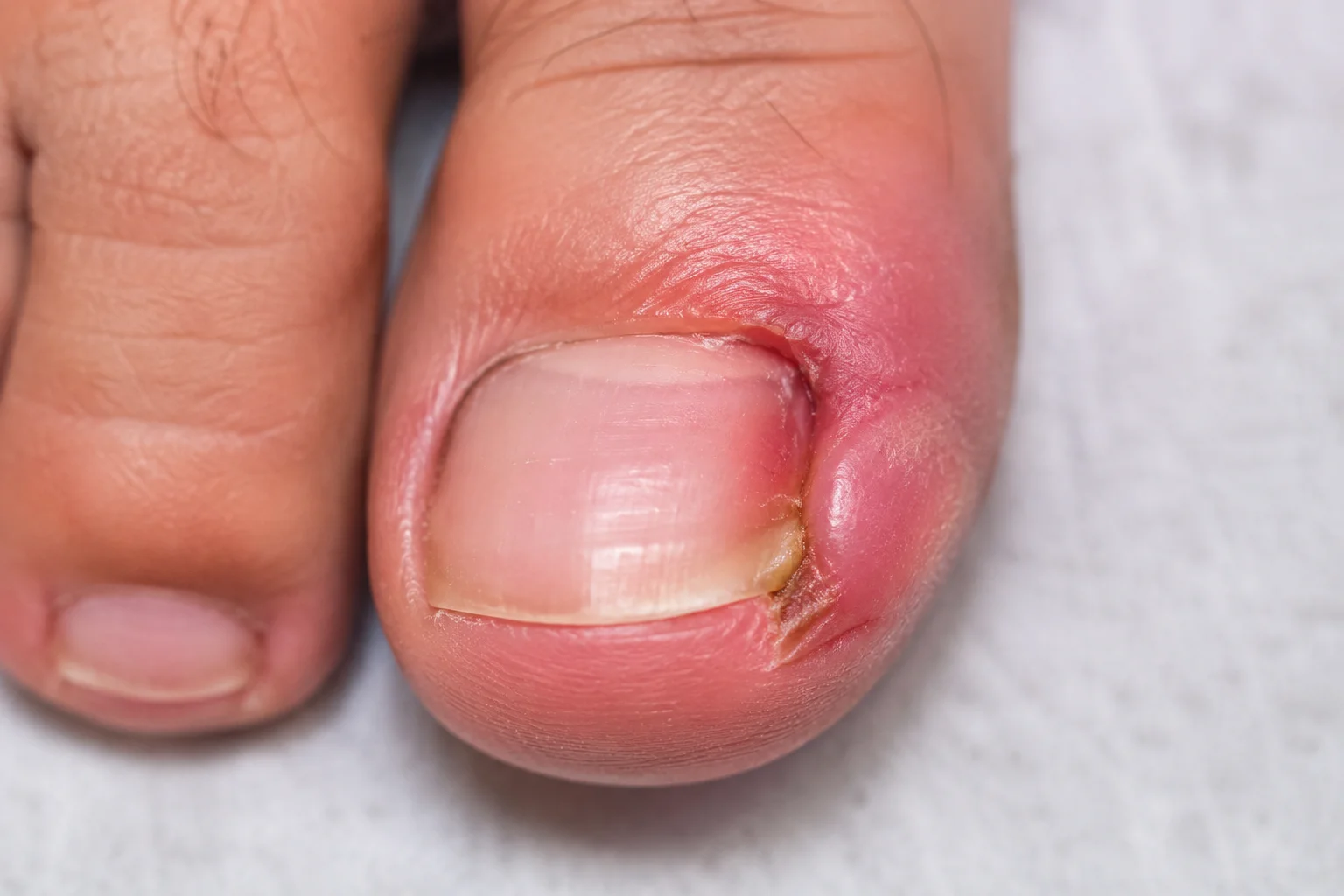
Sydney Foot Doctor

Early Signs of Fungal Nail Infection

7 signs to watch for and why early treatment makes all the difference

7
Early warning signs to check for
8
Sydney Foot Doctor clinics across Sydney
Early
Treatment means faster, easier results

7 Early Signs of Fungal Nail Infection

White or yellow spots

Small spots under the nail tip are often the first sign of fungal activity

🎨

Changes in nail colour

Yellow, brown or greenish discolouration spreading from one edge

📏

Thickening of the nail

Build-up under the nail plate makes the nail harder to trim

🧩

Brittle or crumbly texture

Pieces of the nail break away more easily than a healthy nail

Change in nail shape

The nail curls, lifts, or develops an uneven surface

👃

A foul odour

A persistent smell even after washing can signal infection

👣

Mild discomfort or pressure

Often painless early on, but pressure can build as the nail thickens against footwear

💅

Nail and Skin Conditions

Fungal nails, ingrown toenails, warts and calluses

Laser Therapy

Targets fungal infection within the nail bed

👟

Footwear Assessments

Identify footwear habits that increase fungal risk

Noticed any of these signs? 8 clinic locations across Sydney. Same-day appointments available.
Book Appointment

Why Early Treatment Matters

Fungal nail infections do not go away on their own, and they rarely improve without targeted treatment. Left untreated, the infection typically spreads to other toenails and can become a source of recurring fungal skin infections, including athlete’s foot.

The longer a fungal infection is left, the more of the nail becomes affected, and the harder it becomes to treat. Early-stage infections that only affect a small portion of the nail respond significantly better to treatment than infections that have spread across the entire nail plate and into the nail bed.

For people with diabetes or circulatory conditions, fungal nail infections also carry additional risk, as thickened nails can press against the skin and create pressure points that may lead to skin breakdown. If you have diabetes, any changes to your toenails should be assessed by a podiatrist promptly as part of your diabetic foot care routine.

What Causes Fungal Nail Infections?

Several factors increase the risk of developing a fungal nail infection:

  • Wearing closed, non-breathable shoes for extended periods, particularly in warm weather or during exercise
  • Walking barefoot in shared wet areas such as swimming pools, gyms, and shower blocks
  • Excessive sweating of the feet
  • Minor trauma to the toenail, such as stubbing a toe or repetitive pressure from tight footwear, which creates an entry point for fungus
  • Reduced circulation, which is more common in older adults and people with diabetes
  • A weakened immune system

Athletes and people who are physically active are particularly prone to fungal nail infections due to increased sweating, repetitive friction in footwear, and frequent use of shared facilities. Our sports podiatrists regularly see fungal nail infections alongside other footwear-related foot conditions.

How Sydney Foot Doctor Treats Fungal Nail Infections

At Sydney Foot Doctor, treatment is tailored to the severity of the infection and may include:

Topical and Oral Antifungal Treatment

For early-stage infections, topical antifungal treatments applied directly to the nail can be effective. Your podiatrist will assess whether a topical treatment is suitable or whether a referral for oral antifungal medication is appropriate.

Laser Therapy

Laser therapy is an effective option for fungal nail infections, particularly for nails that have not responded to topical treatments. The laser targets the fungus within the nail bed without damaging surrounding tissue, and a course of sessions is typically required for best results.

Nail Debridement

Thickened or damaged nails are carefully reduced in thickness during a podiatry appointment, which helps topical treatments penetrate more effectively and reduces discomfort from pressure against footwear.

Medical Pedicure

A Medical Pedicure ‘MediPedi’ includes professional nail care that can help manage the appearance and condition of nails affected by fungal infection, performed in a clinical, hygienic environment.

How to Reduce Your Risk of Fungal Nail Infections

  • Wear moisture-wicking socks and breathable shoes, especially during exercise
  • Dry your feet thoroughly, particularly between the toes, after showering or swimming
  • Avoid walking barefoot in shared wet areas such as gym showers and pool decks
  • Replace old, worn-out shoes that may harbour fungal spores
  • Do not share nail clippers, files, or socks with others
  • Check your toenails regularly for early changes, particularly if you have diabetes or circulatory issues

A footwear assessment with a podiatrist can also help identify whether your current shoes are contributing to a moist environment that increases fungal risk.

Frequently Asked Questions

Q1: Can a fungal nail infection clear up on its own?

No. Fungal nail infections do not resolve without treatment. While the infection may appear stable for periods of time, it will not clear on its own and typically continues to spread slowly if left untreated.

Q2: How long does fungal nail treatment take to work?

This depends on the severity of the infection and the treatment used. Topical treatments and laser therapy require patience, as nails grow slowly, often taking several months to a year to fully grow out a clear nail. Your podiatrist will give you a realistic timeframe based on your specific infection.

Q3: Is a fungal nail infection contagious?

Yes, fungal nail infections can spread to other nails and, in some cases, to other people through shared footwear, socks, nail tools, or contact with contaminated surfaces such as shower floors.

Q4: When should I see a podiatrist about my toenails?

Any noticeable change in nail colour, thickness, texture, or shape is worth having assessed. Catching a fungal nail infection in its early stages makes treatment significantly more straightforward, so it is best not to wait until the infection has spread.