If you have been dealing with nagging foot pain, tired legs after standing, or discomfort that flares up when you walk or exercise, you may have wondered whether custom orthotics could help. It is a common question, and the answer is not always straightforward. Not everyone needs them, but for the right person with the right condition, custom orthotics can make a significant difference to daily comfort and long-term foot health.
This guide explains what custom orthotics are, who they are suited for, and what the assessment process looks like at Sydney Foot Doctor.
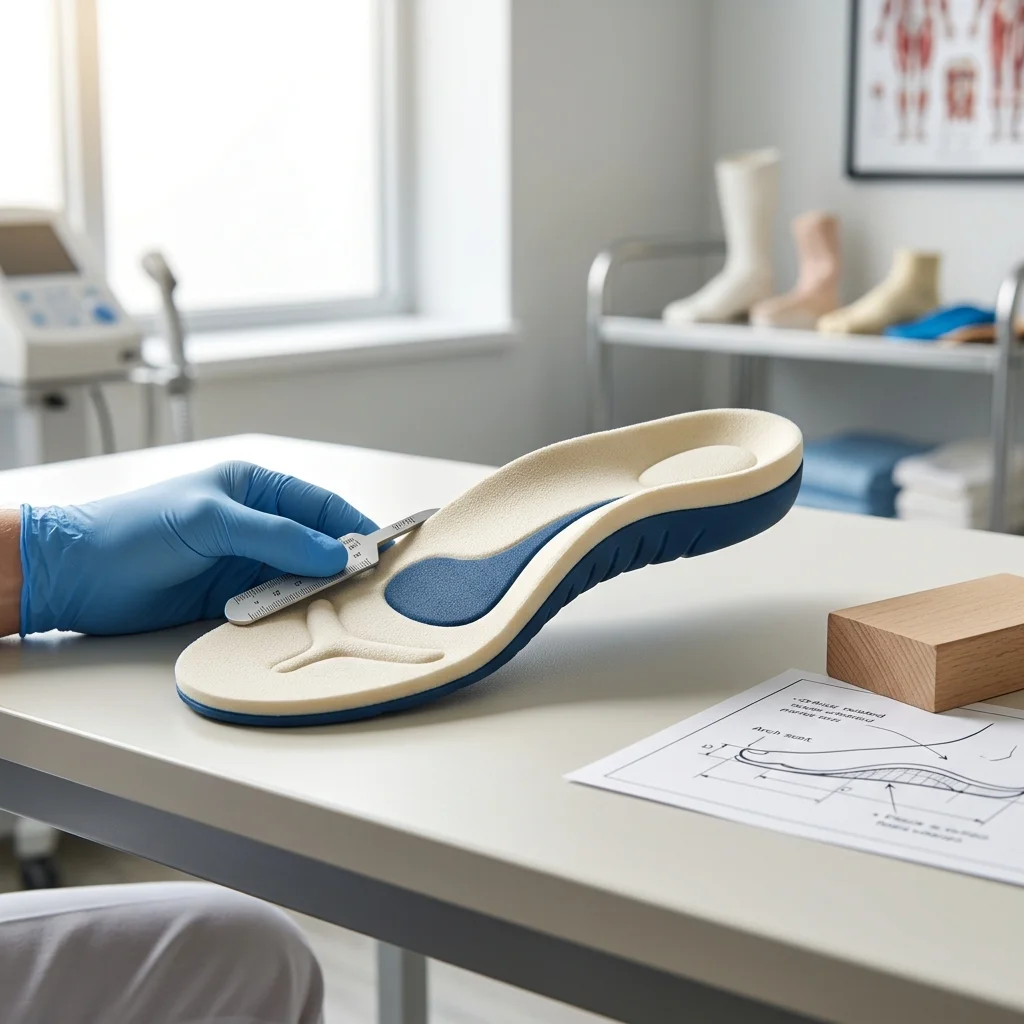
What Are Custom Orthotics?
Custom orthotics are prescription medical devices worn inside your shoes. They are designed specifically for your feet based on a detailed assessment of how you walk, how your foot distributes pressure, and what structural factors may be contributing to your symptoms.
They are not the same as the foam insoles you can pick up at a pharmacy. Custom orthotics are made from precise measurements or scans of your feet and are built to address your exact condition, whether that involves controlling the way your foot rolls inward, supporting a collapsed arch, redistributing pressure away from a painful area, or improving overall alignment through the ankle, knee, and hip.
At Sydney Foot Doctor, our podiatrists use advanced assessment techniques to design custom orthotics that fit your foot structure, your footwear, and your lifestyle.
Signs You May Need Custom Orthotics
1. Persistent Heel Pain
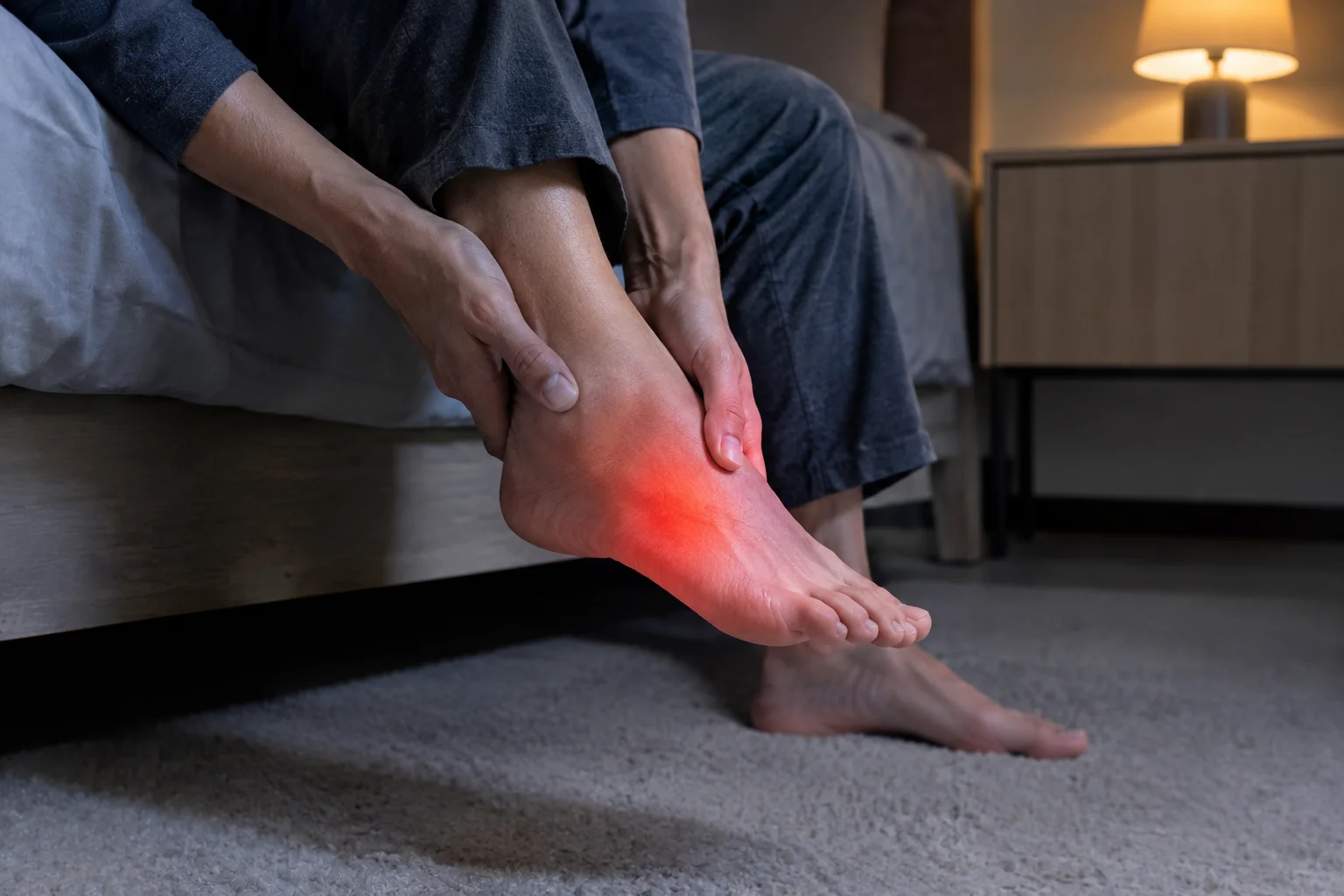
Heel pain that is worst first thing in the morning, or that builds throughout the day, is one of the most common reasons people are assessed for orthotics. Plantar fasciitis is a frequent cause, and poor foot mechanics often play a central role. Custom orthotics can help offload the plantar fascia and address the biomechanical factors driving the pain. If heel pain has been affecting your daily routine for more than a few weeks, it is worth having a podiatrist assess whether orthotic therapy is appropriate.
2. Arch Pain or Flat Feet
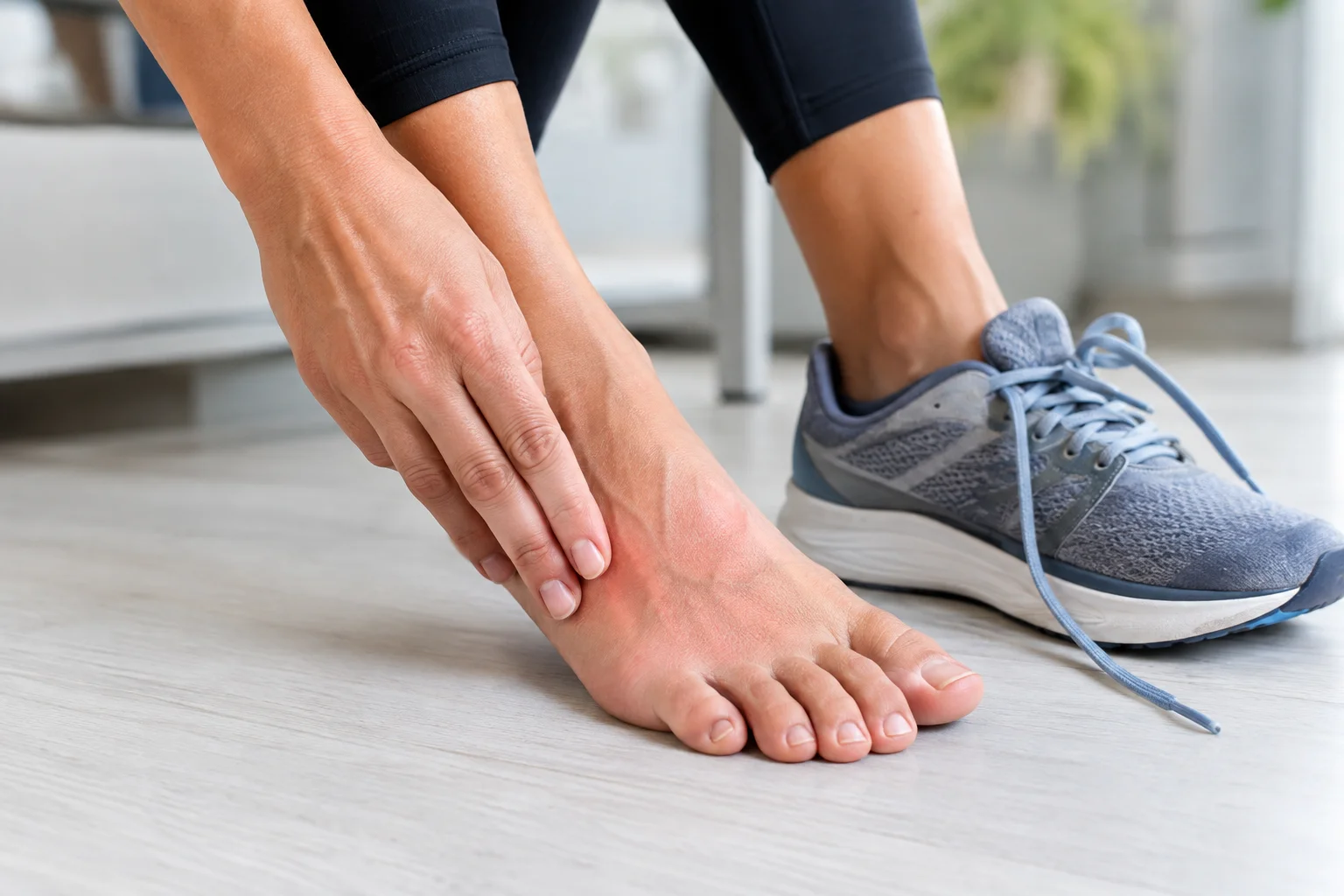
People with low arches or flat feet often experience aching along the inside of the foot, particularly after periods of standing or walking. The foot may roll inward excessively when walking, a movement known as overpronation, which places strain on the arch, ankle, and knee. Arch pain that is worsening or interfering with activity is a clear indicator that a biomechanical assessment is warranted.
3. Knee, Hip, or Lower Back Pain Linked to Your Feet
The way your foot contacts the ground has a direct effect on alignment further up the chain. Overpronation or supination can alter the mechanics of the knee and hip, contributing to pain well above the foot itself. If your knee or lower back discomfort seems to worsen with walking or standing, and no other cause has been identified, your foot mechanics may be a contributing factor worth investigating.
4. Recurring Ankle Sprains
Repeated lateral ankle sprains can sometimes be linked to foot posture and gait patterns. Custom orthotics may help improve alignment and reduce the risk of future sprains, particularly when combined with rehabilitation exercises.
5. Pain That Worsens With Activity
If foot or lower limb pain tends to come on or worsen during exercise, sport, or extended periods on your feet, this pattern often points to a mechanical issue that orthotics can address. Our sports podiatrists regularly assess athletes and active individuals for orthotic therapy as part of a broader injury management plan.
6. Achilles Pain
Achilles tendon pain is commonly linked to how the foot and ankle function during walking and running. Excessive pronation, a tight calf, or altered gait patterns can all place excess load on the Achilles. If you are managing Achilles pain, your podiatrist will consider whether orthotics are a suitable part of your treatment.
7. Bunions or Toe Deformities
Bunions and related toe deformities are often made worse by poor foot mechanics and inappropriate footwear. While orthotics cannot reverse a bunion, they can help reduce the forces contributing to progression and relieve associated discomfort.
8. Children With Foot or Leg Pain
Children who complain of foot or leg pain during activity, or who show signs of in-toeing, out-toeing, flat feet, or unusual gait patterns, may benefit from a podiatry assessment. Our children’s podiatry team regularly assesses children for orthotic therapy, and we also provide children’s orthotics designed specifically for growing feet.
Custom Orthotics vs Off-the-Shelf Insoles
It is worth understanding why custom orthotics and pharmacy insoles are not interchangeable.
Off-the-shelf insoles provide general cushioning and mild arch support, but they are made to a generic foot shape. They can provide temporary relief for mild discomfort, but they do not correct biomechanical issues, and they are not prescribed for a specific condition.
Custom orthotics are prescribed medical devices. They are built from measurements of your individual foot, calibrated to your body weight, activity level, and footwear needs, and designed to produce a specific functional change in how your foot moves. For conditions involving structural issues, chronic pain, or recurring injury, there is simply no comparison.
If you have been using off-the-shelf insoles without lasting improvement, a custom orthotic assessment is a logical next step.
What Happens During a Biomechanical Assessment?
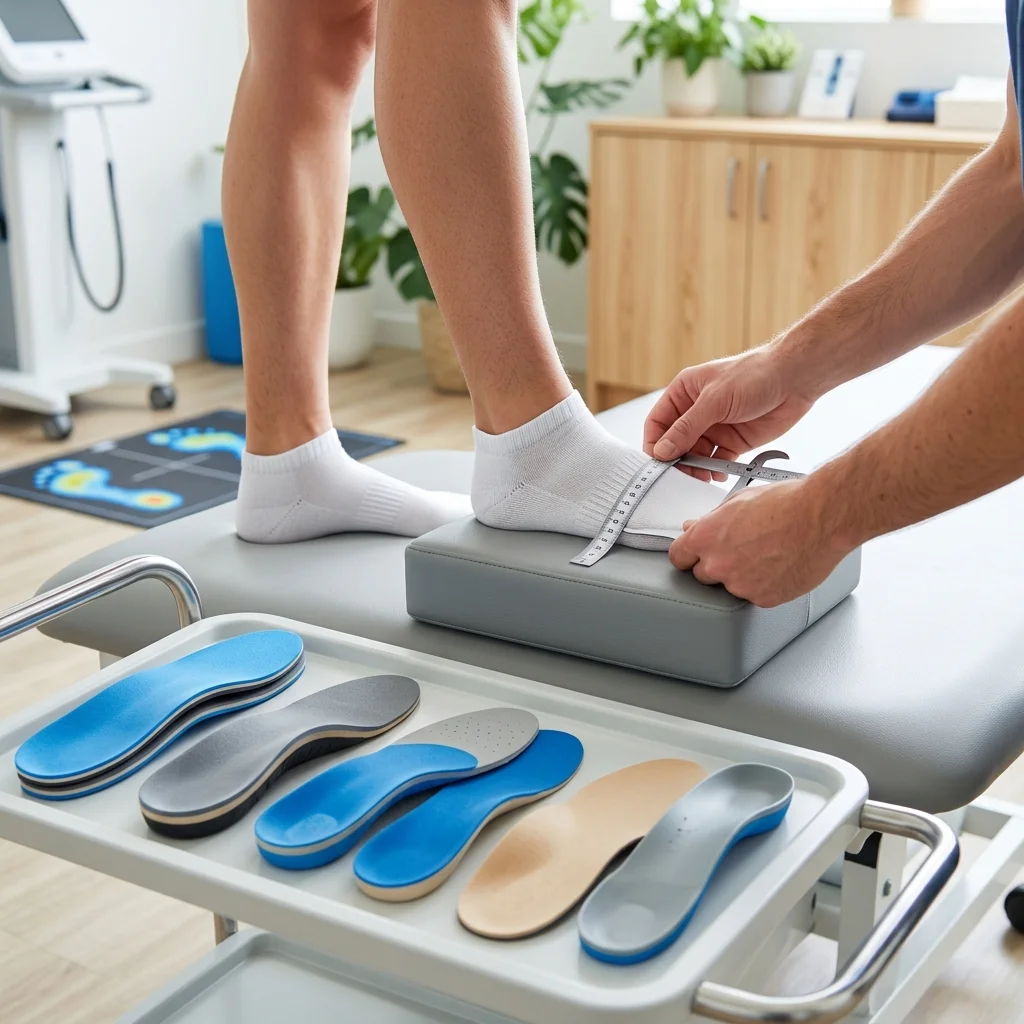
Before any orthotics are prescribed, your podiatrist will conduct a thorough biomechanical assessment. At Sydney Foot Doctor, this typically includes:
- A discussion of your symptoms, history, and daily activities
- Assessment of your foot posture and arch type
- Observation of your gait while walking or running
- Assessment of joint range of motion in the foot, ankle, and lower limb
- Pressure distribution analysis where indicated
- Review of your current footwear
From this assessment, your podiatrist will determine whether custom orthotics are appropriate, what type of device is best suited to your needs, and how they should be designed. You can also explore the broader range of options through our orthotic therapy service, which takes a whole-body approach to foot mechanics and lower limb function.
What Types of Custom Orthotics Are Available?
Custom orthotics are not one-size-fits-all. Different conditions, activity levels, and footwear requirements call for different devices.
Functional orthotics are designed to control abnormal motion, particularly overpronation or supination. They are firmer in construction and aim to correct the mechanics of how the foot moves.
Accommodative orthotics are softer and designed to provide cushioning and redistribute pressure rather than control motion. They are commonly used for diabetic foot care, arthritis, and pressure-related pain under the forefoot or heel.
Sports orthotics are built to perform in athletic footwear and withstand the demands of sport. Our sports insoles are designed for runners, team sport athletes, and anyone with active footwear needs.
Your podiatrist will recommend the type that suits your specific condition and lifestyle.
How Long Do Custom Orthotics Last?
Most custom orthotics last between two and five years depending on the materials used, the wearer’s activity level, and body weight. After this time, they may require replacement or modification. Your podiatrist will advise on a review schedule to ensure your orthotics continue to provide the intended benefit.
Can Orthotics Fix the Problem or Just Manage It?
Custom orthotics are a management and rehabilitation tool. For many conditions, they reduce pain, improve function, and prevent worsening of the problem. In some cases, particularly for children whose feet are still developing, orthotics combined with exercise and footwear changes can produce lasting structural improvement. For adults with established structural issues such as severe flat feet or bunions, orthotics help manage symptoms and slow progression rather than reverse the underlying structure.
Your podiatrist will be clear about what orthotics can and cannot achieve for your specific situation, and where other treatments such as footwear assessments or dry needling may also be appropriate.